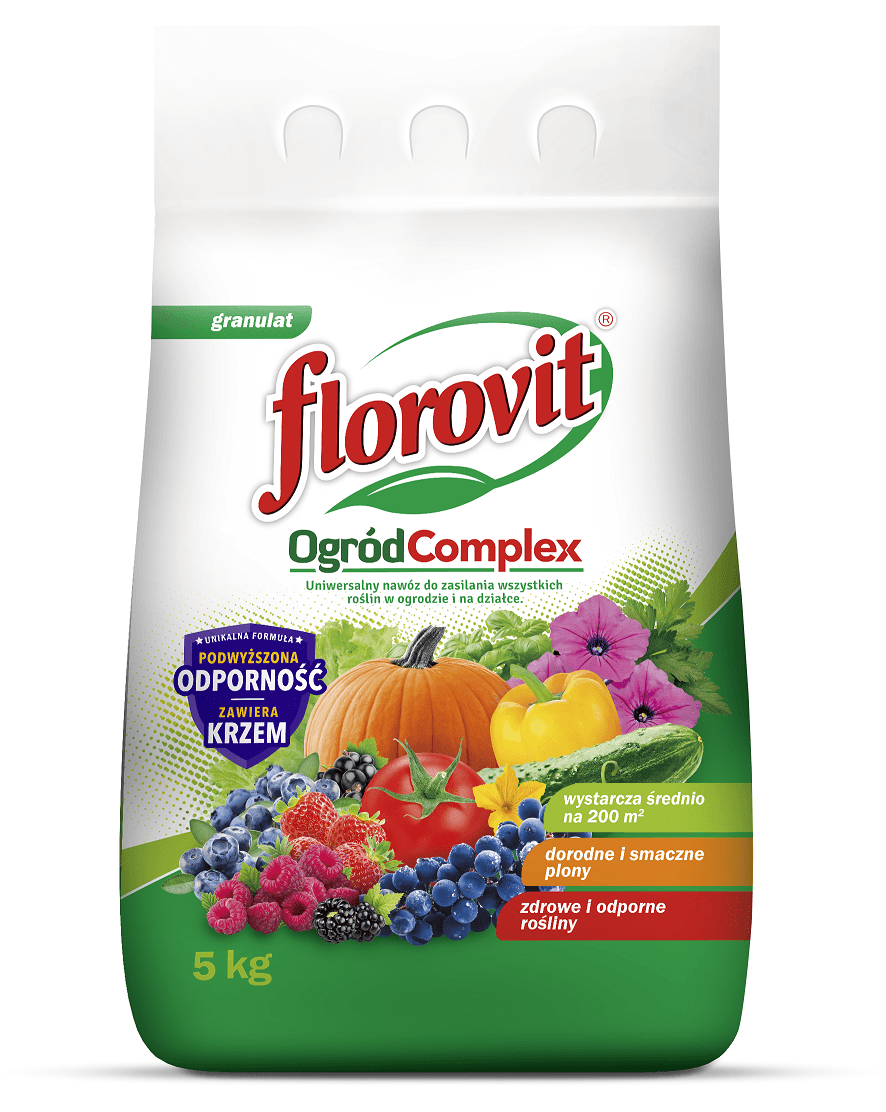
 SKU CH-14768
Bontar MAX NPK Fertiliser 8-8-20- Ca-4 Mg-3 S-31
BONTAR MAX is a universal, specialised garden fertiliser with low chlorine content, designed for comprehensive nutrition of fruit tree and vegetable crops.
- Pack
- 25 kg
Description
ACTION OF BONTAR MAX:
BONTAR MAX is an NPK fertiliser (CaMgS) 8-8-20-(4-3-31) enriched with key micronutrients: boron, manganese and molybdenum. The uniqueness of the preparation results from the use of two forms of nitrogen – ammonium and amide – which allows for its long-term and effective uptake by plants. Potassium in sulphate form is crucial for improving the organoleptic properties of the yield, such as taste, aroma, colour and size, as well as increasing frost resistance and drought tolerance. The presence of magnesium in sulphate and carbonate forms and the high sulphur content support metabolic processes and photosynthesis, which translates into healthy and abundant plant growth both in field and protected crops.
Advantages of using BONTAR MAX fertiliser:
- Low chlorine content: Safe for plants sensitive to chlorides, which is essential in professional horticultural crops.
- Complete nutrition: Provides not only NPK but also calcium, magnesium, sulphur and essential micronutrients (B, Mn, Mo).
- High yield quality: Sulphate form of potassium directly affects the appearance, firmness and flavour qualities of the harvested yields.
- Increased resistance: Strengthens the natural defence mechanisms of plants against diseases, frost and periodic water shortages.
- Versatility: Optimal for fertilising fruit trees, berry bushes and a wide range of vegetables.
BONTAR MAX COMPOSITION AND CONTENT OF COMPONENTS:
Solid mineral fertiliser with a balanced formula:
- Total nitrogen (N): 8% (4% ammonium form, 4% amide form)
- Phosphorus (P₂O₅): 8% (soluble in mineral acids), including 5% soluble in water and ammonium citrate
- Potassium (K₂O): 20% (water soluble, sulphate form)
- Calcium (CaO): 4% (water soluble)
- Magnesium (MgO): 3% total
- Sulphur (SO₃): 31% (water soluble)
- Micronutrients: Boron (B) 0.1%, Manganese (Mn) 0.1%, Molybdenum (Mo) 0.006%
BONTAR MAX APPLICATION RANGE AND DOSES:
Orchards and fruit bushes:
| Crop | Dose per hectare | Dose per plant / notes |
|---|---|---|
| Young orchards (1-3 years old) | 350–550 kg | 0.1–0.15 kg per tree |
| Fruit-bearing orchards (4 years and older) | 400–600 kg | 0.3–0.4 kg per tree |
| Strawberries (before planting and in cultivation) | 350–550 kg | Split: 2/3 in spring, 1/3 after harvest |
| Raspberries | 500–700 kg | Sow within the crown radius |
| Currants, gooseberries, blueberries | 450–650 kg | At planting: 60–80g; subsequent years: 80–120g |
Vegetable crops:
| Crop | Recommended dose [kg/ha] |
|---|---|
| Peas, beans, onion, leek, cucumber, radish | 500–700 |
| Cabbage (Chinese, head), cauliflower, tomato, sweet pepper, carrot, celery | 600–800 |
Application rules: The fertiliser is best mixed with soil (for strawberries to a depth of about 15 cm) and watered, which accelerates nutrient release. For trees and bushes, apply within a radius slightly larger than the crown spread. In top dressing of vegetables, avoid applying the product on wet leaves to prevent damage.