 SKU 34393
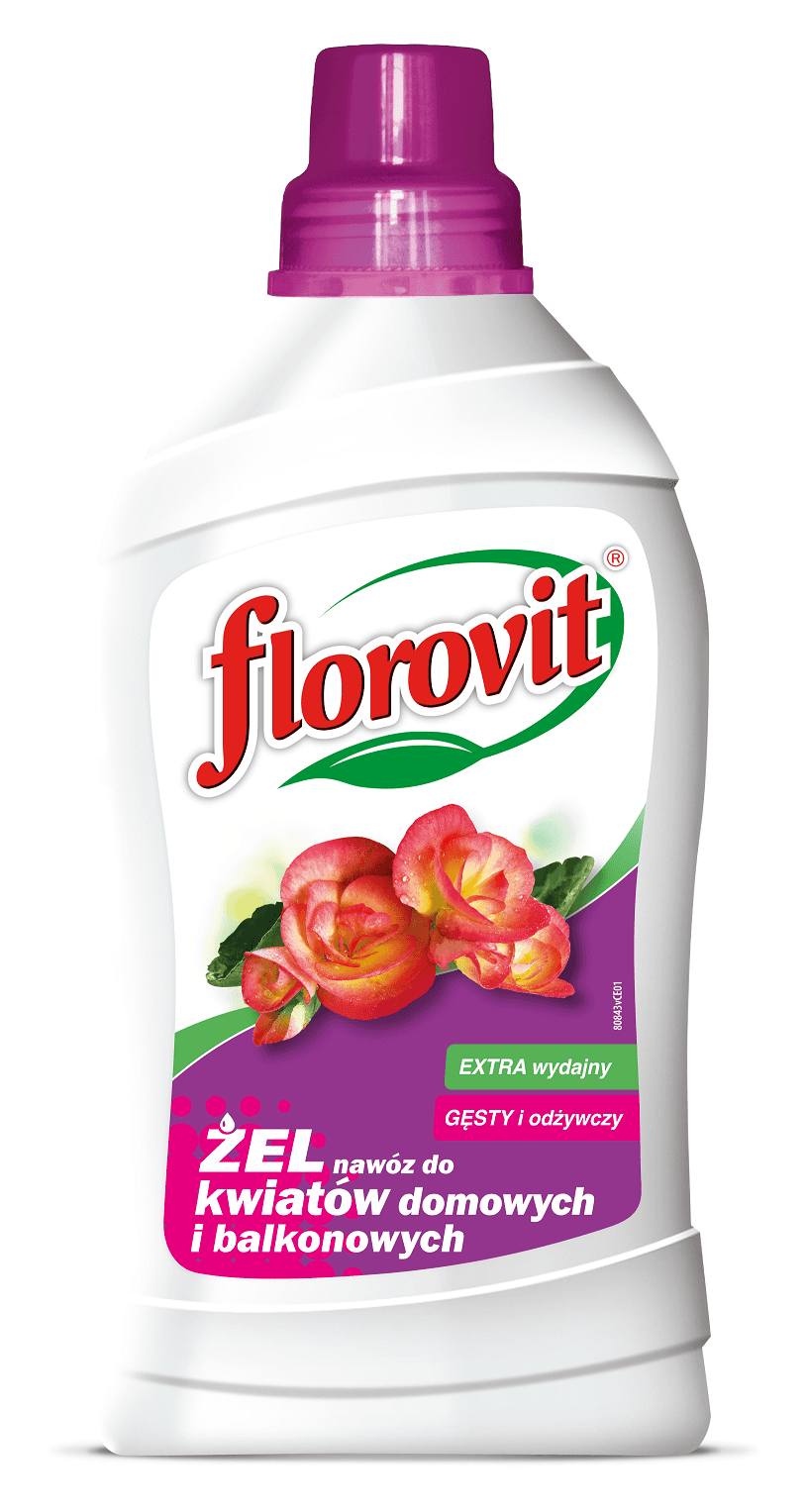
Liquid fertiliser for roses 900ml Twój Ogród
Liquid fertiliser for roses Twój Ogród is a concentrate designed for long-lasting and effective fertilisation of roses. One package of concentrate allows you to prepare 180 litres of solution.
Description
Liquid fertiliser for roses Twój Ogród - abundant flowering
- Long-lasting effect,
- Efficient - in concentrate form - allows preparation of 180 litres of ready-to-use watering solution,
- Contains micro and macronutrients,
- Popular among professionals,
- 40ml is enough for 8l of fertiliser,
- Safe for humans, bees and pets,
- Ensures abundant and prolonged flowering.
Liquid fertiliser for rose fertilisation is a fertiliser in liquid concentrate form. It quickly supplies mineral nutrients essential for the development and growth of roses. Regular fertilisation should be remembered as it guarantees strong bud development and intense flower colour as well as increased disease resistance. The balanced composition of the liquid fertiliser for roses Twój Ogród contains all macro- and micronutrients ensuring intense growth and colour of flowers and leaves of all rose species. The fertiliser is quickly absorbed, with immediate and long-lasting effect. Regular use ensures intense flower colour and strong new shoot growth. Intended for soil and foliar fertilisation. Fertiliser applied according to the recommended dose does not pose a risk of over-fertilisation. It is completely water-soluble.
Liquid fertiliser Twój Ogród for roses - composition:
WE FERTILISER. Fertiliser solution type C.2.1 Fertiliser NPK 7-4-6 with copper, iron, manganese, molybdenum, zinc.
Composition:
- 7.0% (N) total nitrogen; 1.8% (N-NH4) ammonium nitrogen; 1.0% (N-NO3) nitrate nitrogen; 4.2% (N-NH2) amide nitrogen;
- 4.0% (P2O5) phosphorus pentoxide soluble in water;
- 6.0% (K2O) potassium oxide soluble in water;
- 0.008% (Cu) copper chelated by EDTA;
- 0.015% (Fe) iron chelated by EDTA,
- 0.030% (Mn) manganese chelated by EDTA;
- 0.020% (Mo) molybdenum chelated by EDTA;
- 0.002% (Zn) zinc chelated by EDTA.
Growing conditions and rose care:
"Queens of the garden" roses prefer sunny locations; they should be planted where there is plenty of sunlight. These plants' shrubs are frost-resistant. For good growth and abundant flowering, roses should be planted in fertile and weed-free soils. The best growing medium for roses is humus-rich loamy-sandy soil. The suitable pH range is between 5.7 – 7, ideally 6.5.
Proper care and regular fertilisation of rose shrubs should be carried out until the end of August, using compound mineral fertilisers containing micro and macronutrients. Roses should be watered without wetting leaves and flowers, preferably every 3 - 4 days, with plenty of water. Mulching the soil positively affects growth, flowering and overall flower condition. Bark is most commonly used, which limits weed growth and retains soil moisture.
Neglecting proper fertilisation, roses will quickly feel the lack of essential elements, visible as poorer growth and weaker flowering. Lack of regular plant feeding with fertiliser containing micro and macronutrients results in weakening of roses, which consequently increases susceptibility to diseases and pest attacks.
Pruning roses by removing dead and diseased shoots maintains the plant's desired shape. It positively influences growth and abundant flowering.
Due to ease of cultivation, roses are also suitable for planting in pots on balconies and terraces.
Fertiliser roses Twój Ogród - precautions:
- Store at temperatures between 5-30°C.
- Protect from sunlight.
- Keep out of reach of children and pets.
- Do not inhale sprayed product.
- Prevent fertiliser from entering sewage and watercourses.
Application and dosage
|
Crop |
How to use? Dosage |
Application timing |
|---|---|---|
|
Roses |
Recommended dose from 5 to 15 ml per 1 litre of water, depending on the plant's condition and needs. Dilute the measured amount of fertiliser in a container with water, mix thoroughly, apply by watering the soil. |
Throughout the growing season from March to the end of August. |