SKU CH-14165
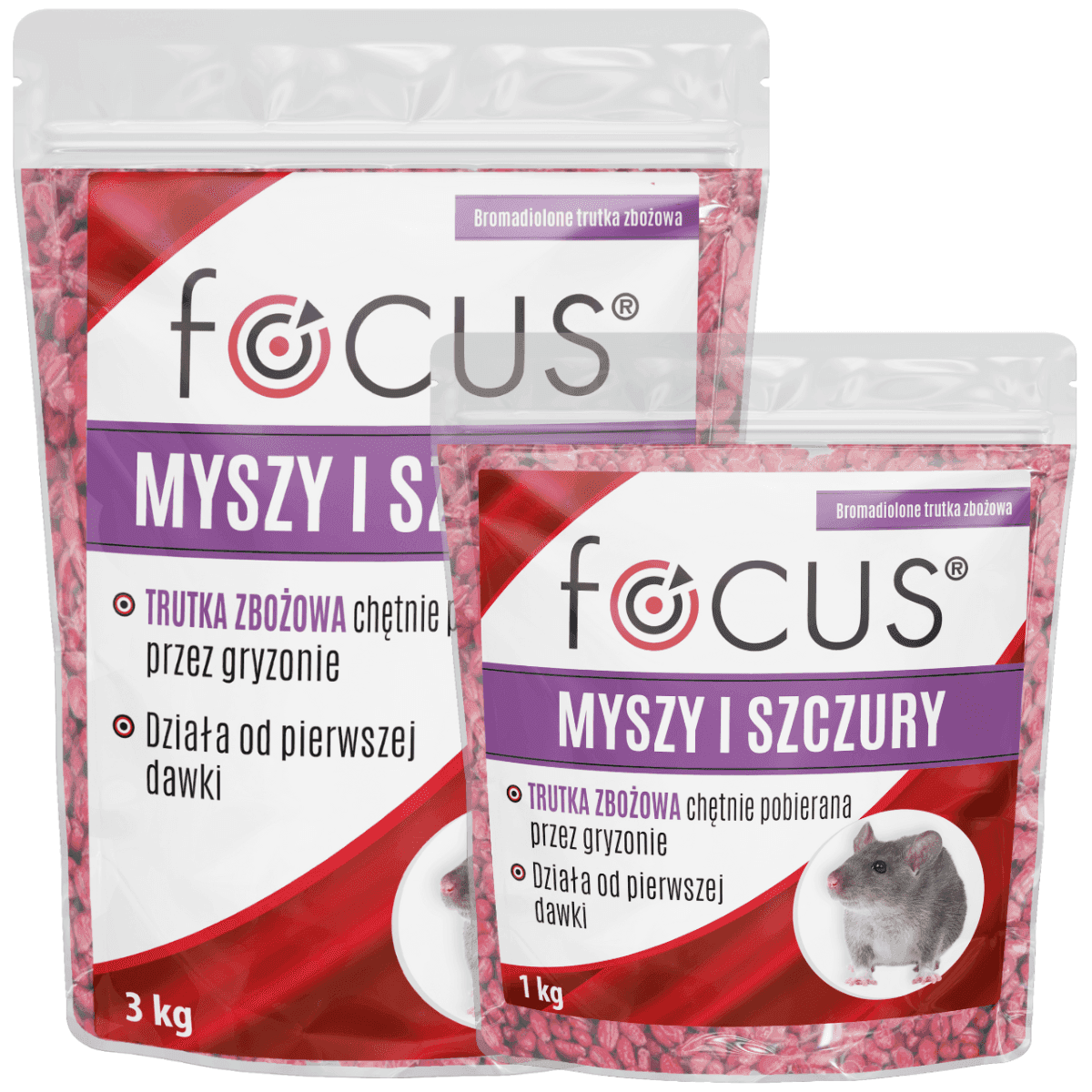
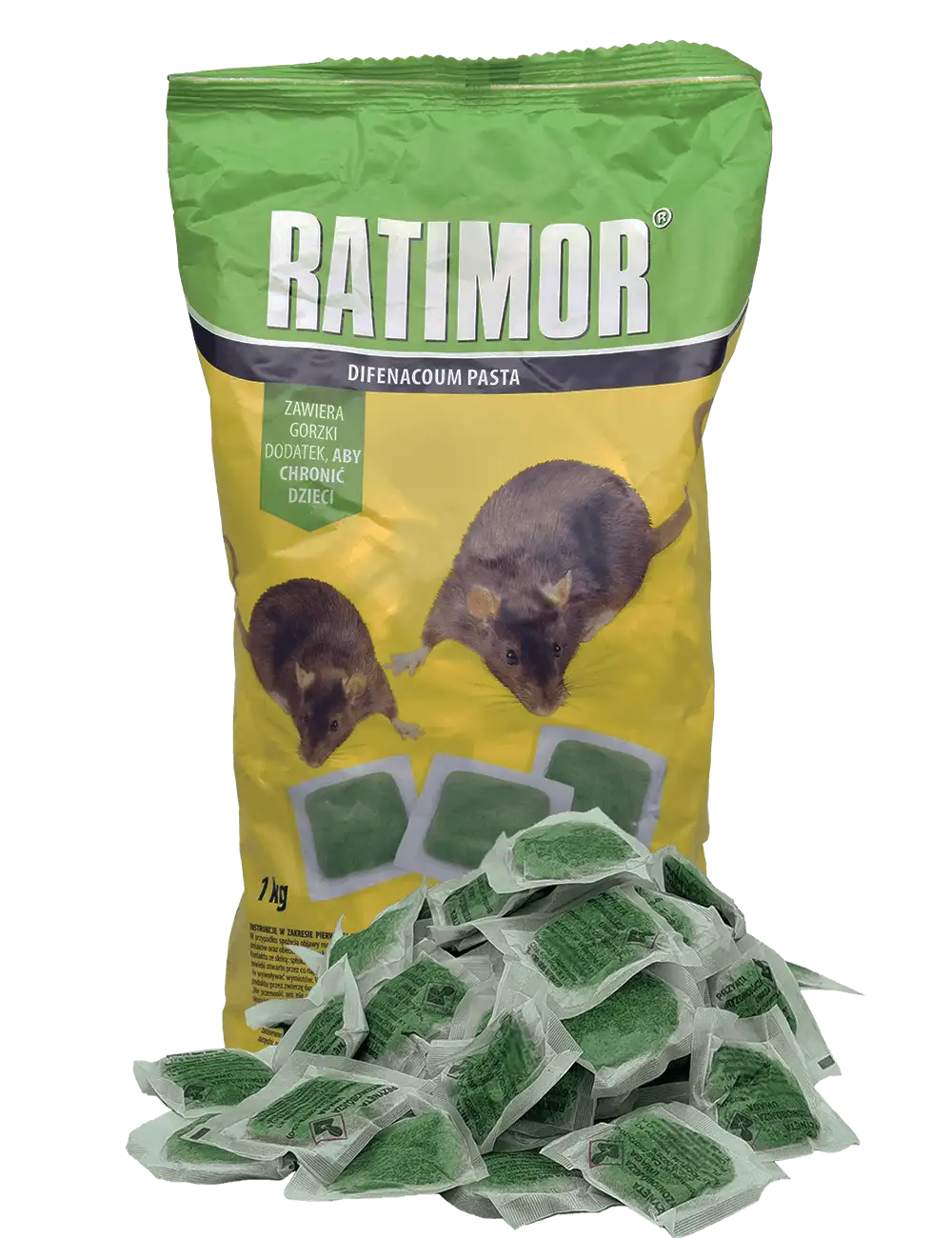
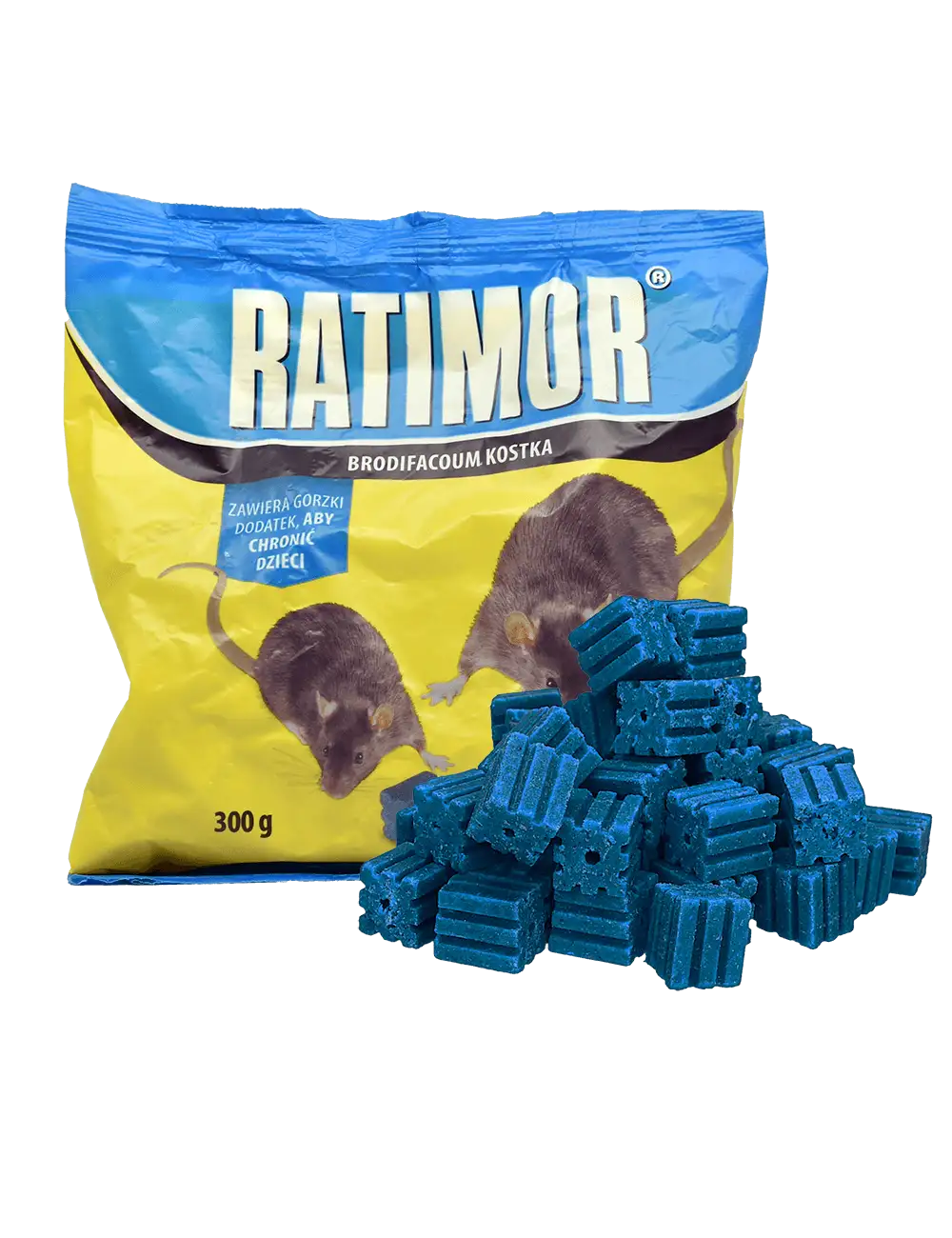
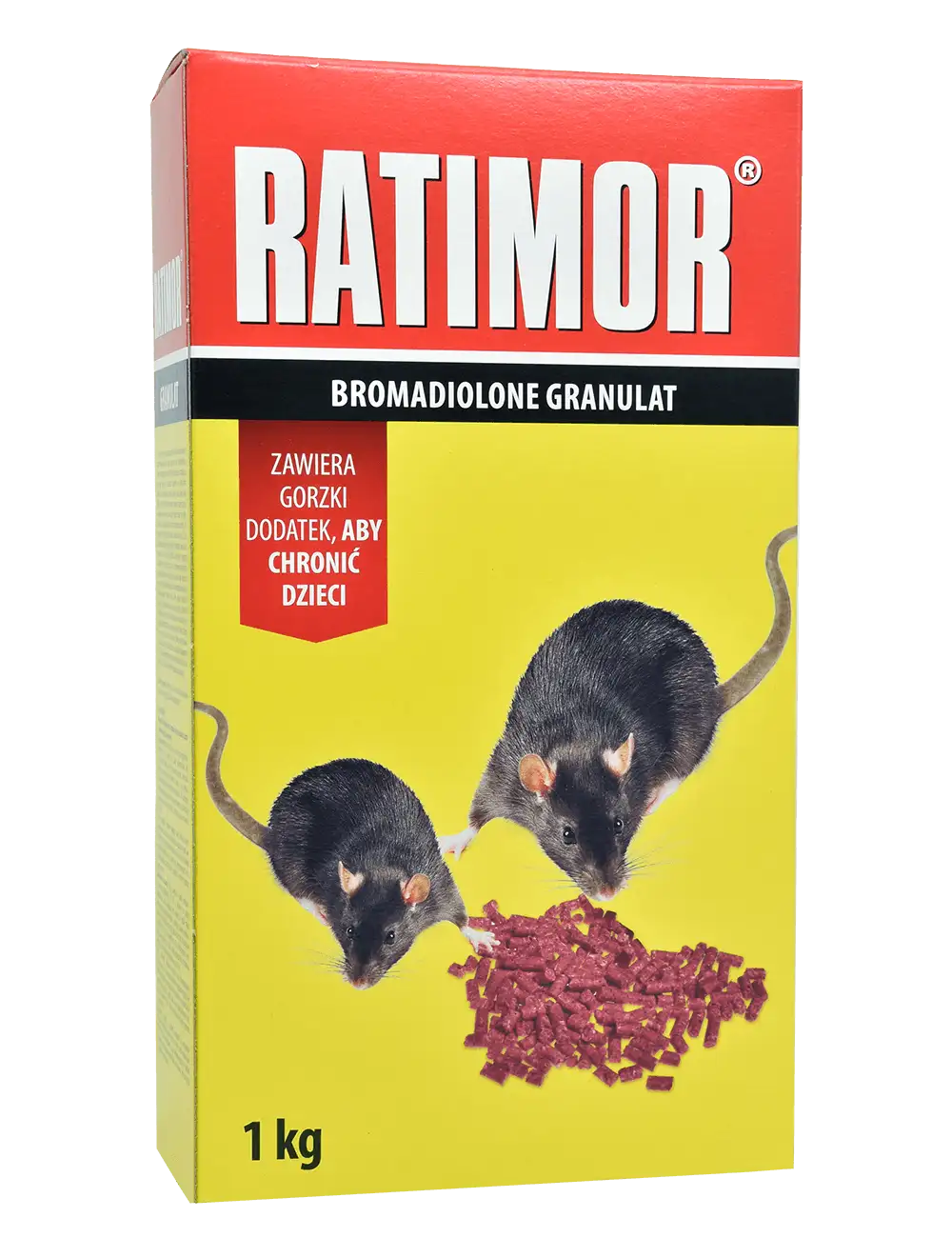
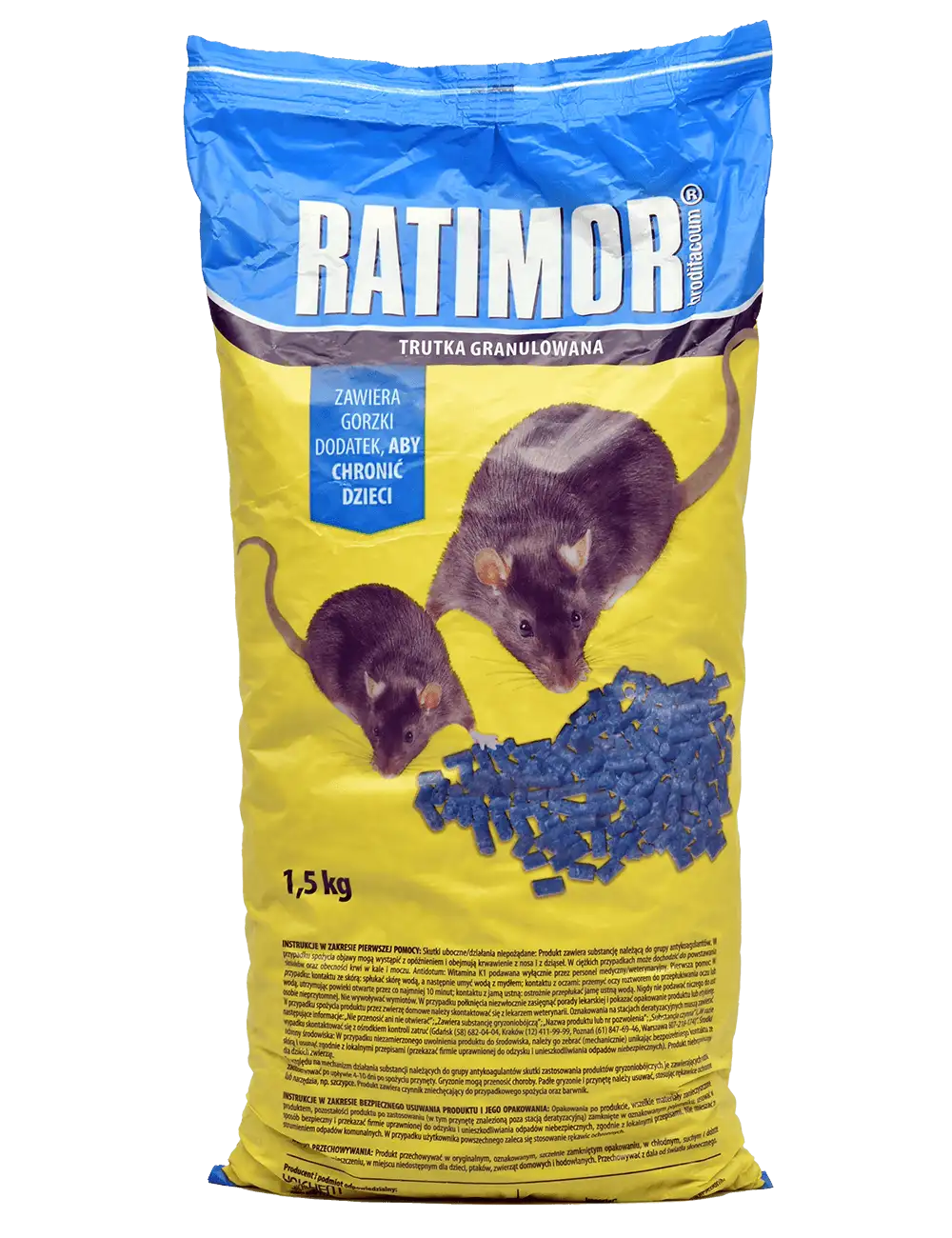
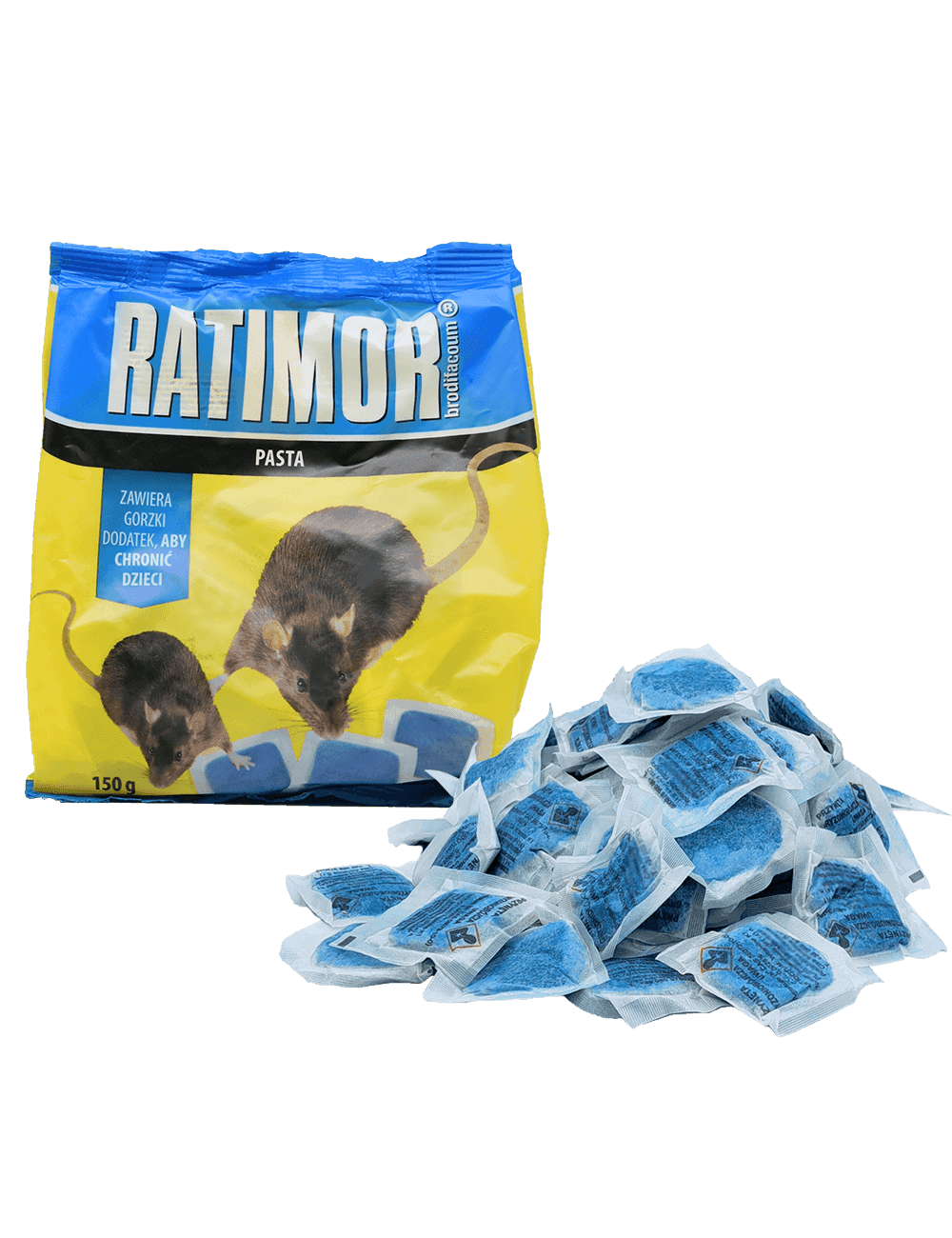
Ratimor Bromadiolone Poisoned Grain
Ratimor in the form of poisoned cereal grains is a highly effective rodenticide, ideal for the control of mice and rats, especially in areas with high humidity.
- Pack
- 1 kg
Description
HOW RATIMOR GRAIN WORKS:
Ratimor Grain is a classic, reliable product for the control of mice and rats, available as carefully selected poisoned cereal grains. Its form is particularly attractive to rodents, which naturally feed on grain, ensuring rapid and mass bait consumption. The key active substance is bromadiolone, a potent second-generation anticoagulant.
The mode of action of Ratimor Grain is based on delayed toxicity. Although it starts acting immediately after ingestion, death occurs only after several days. This intentional delay is essential to eliminate the entire population, as rodents do not associate the bait with the death of individual animals. As a result, the colony does not develop aversion to the product, and deratisation proceeds completely and without disruption.
Thanks to the special formula, rodents affected by Ratimor experience respiratory distress and instinctively leave their nests, seeking open spaces. This is a great advantage because it significantly minimises the problem of dead pests in hard-to-reach places such as walls, ceilings, or floors.
Advantages of using Ratimor Grain:
- High acceptance: Cereal grain is a natural and readily consumed food for rodents.
- Effectiveness in difficult conditions: The poisoned grain form performs well in environments with elevated humidity.
- Complete deratisation: Delayed action ensures elimination of the entire colony without arousing suspicion.
- Discreet control: The product forces rodents to leave premises, reducing the problem of dead pests inside buildings.
- Ease of use: Simple and quick application at designated points.
RATIMOR GRAIN ACTIVE SUBSTANCE CONTENT:
Bromadiolone (a compound from the anticoagulant group) – at a concentration of 0.005%.
RATIMOR GRAIN SCOPE OF USE AND DOSAGE:
Place of use:
Premises where rodents have been detected (farm buildings, livestock facilities, warehouses, and other enclosed structures).
Ratimor Grain dosage:
Control of rats:
Apply portions of 100 – 150 g of the product per point.
Place baits every 5 – 10 metres near burrows, resting places, and locations showing signs of rodent activity. The product should be laid out in secured deratisation bait stations.
Control of mice:
Apply portions of 20 – 30 g of the product per point.
Place baits every 2 – 5 metres. The product should be laid out in secured deratisation bait stations.
The key to success is maintaining continuous access of rodents to the bait. Regularly check bait points and replenish consumed grain until no further feeding is observed.