SKU 36088
Rexade Esteron Pack (Rexade 250g + Esteron 2.5l)
REXADE is a selective systemic herbicide, applied foliarly, in the form of granules for preparing a water suspension. The product is absorbed through cotyledons and leaves, rapidly translocating within plants.
Currently unavailable
Sold only to professional users with a certificate of competence.
Description
REXADE is a selective systemic herbicide, applied foliarly, in the form of granules for preparing a water suspension. The product is absorbed through cotyledons and leaves, then rapidly translocated throughout the plants. Growth inhibition of susceptible weeds occurs within a few hours after treatment, but visible symptoms depend on the weed species and appear within a few days to several weeks after treatment.
Active substance content:
florasulam (compound from the triazolopyrimidine group) - 100 g/kg (10 %)
methyl halauxifen – Arylex™ (compound from the aryloxyphenoxy group) - 104.23 g/kg (10.42 %)
pyroxsulam (compound from the triazolopyrimidine group) - 240 g/kg (24.0%)
REXADE application in crops:
- winter wheat,
- winter triticale,
- winter rye,
- spring wheat,
REXADE susceptible weeds: common chickweed, purple dead-nettle, sea mayweed (scentless), blackgrass, Persian speedwell, cleavers, scentless chamomile, volunteer oilseed rape, shepherd's purse, field pennycress, climbing buckwheat (syn. climbing smartweed).
Pre-harvest interval:
Winter wheat, spring wheat, winter rye, winter triticale - 60 days
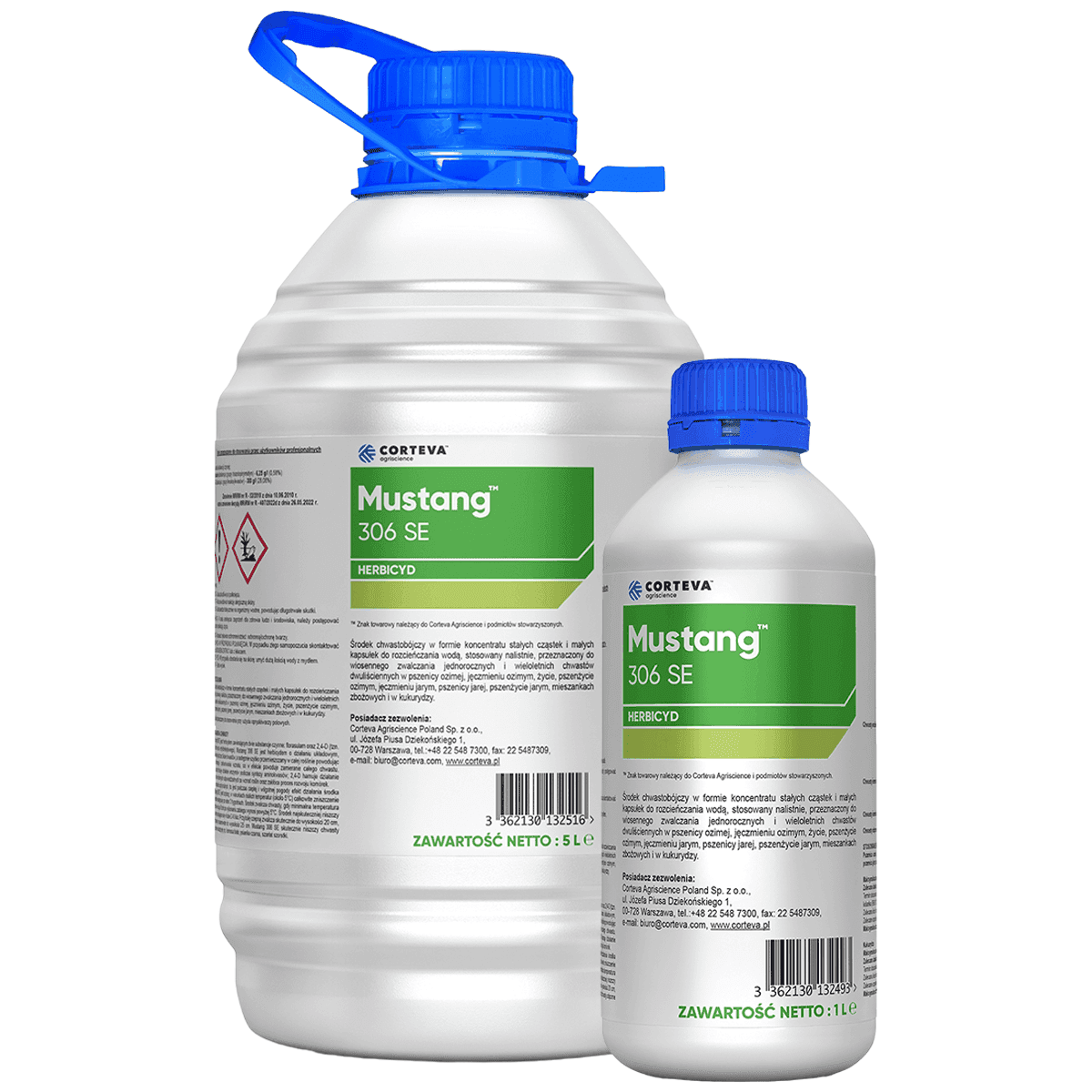
ESTERON 600 EC is a herbicide in the form of a concentrate for preparing an aqueous emulsion, for foliar application once per growing season, for post-emergence control of annual dicotyledonous weeds.
Active substance content:
2,4-D 2-EHE: as ester (compound from the phenoxy acid group) - 905 g per 1 litre of product (equivalent to 600 g/l of 2,4-D acid form)
ESTERON 600 EC application in crops:
- spring barley,
- spring wheat,
- winter wheat,
- winter barley,
- maize
ESTERON 600 EC susceptible weeds:
- cornflower,
- field mustard,
- common lambsquarters,
- shepherd's purse,
- volunteer oilseed rape
Warning! Plant protection products must be used safely. Before each use, read the information on the label and product details.
The buyer declares that they meet the conditions specified in Article 25 paragraph 3 point 5 of the Act of 8 March 2013 on plant protection products and have training in the use of plant protection products in the case of products for professional users. Before each use, read the information on the label and product details. Pay attention to detailed risk indications. Follow the safety rules contained on the label. Plant protection products may only be purchased by adults and persons who have completed training and possess the qualifications required for persons acquiring plant protection products (Article 28 of the Act on plant protection products of 8 March 2013 as amended). Plant protection products must be used in a way that does not pose a threat to human health, animals, or the environment. The buyer of plant protection products must be sober. By using this offer, you declare that you meet the above conditions.
Application and dosage
Crop | Weed control | How to apply? Dosage | When to apply? |
|---|---|---|---|
spring barley, spring wheat | cornflower, field mustard, common lambsquarters, shepherd's purse, volunteer oilseed rape | Maximum dose for single application: 1.0 l/ha.
| |
winter wheat, winter barley, winter triticale, winter rye | cornflower, field mustard, common lambsquarters, shepherd's purse, volunteer oilseed rape | Maximum dose for single application: 1.0 l/ha.
| |
maize | cornflower, field mustard, common lambsquarters, shepherd's purse, volunteer oilseed rape | Maximum dose for single application: 1.0 l/ha.
| |
winter wheat, winter triticale, winter rye | fumitory, field violet, common chickweed, purple dead-nettle, corn poppy, sea mayweed, scentless mayweed, blackgrass, field forget-me-not, silent oats, ivy-leaved speedwell, Persian speedwell, cleavers, scentless chamomile, volunteer oilseed rape, shepherd's purse, field pennycress | Maximum / recommended dose for single application: 50 g/ha. | Apply in spring, after vegetation resumes, from the beginning of tillering to the second node stage of cereals (BBCH 21 - 32), on weeds during intensive growth |
spring wheat | common chickweed, purple dead-nettle, common lambsquarters, scentless mayweed, sea mayweed, blackgrass, silent oats, Persian speedwell, cleavers, knotweed, climbing buckwheat, climbing smartweed, scentless chamomile, volunteer oilseed rape, shepherd's purse, field pennycress | Maximum / recommended dose for single application: 40 g/ha. | Apply in spring, from the beginning of tillering to the second node stage of spring wheat (BBCH 21 - 32), on weeds during intensive growth |