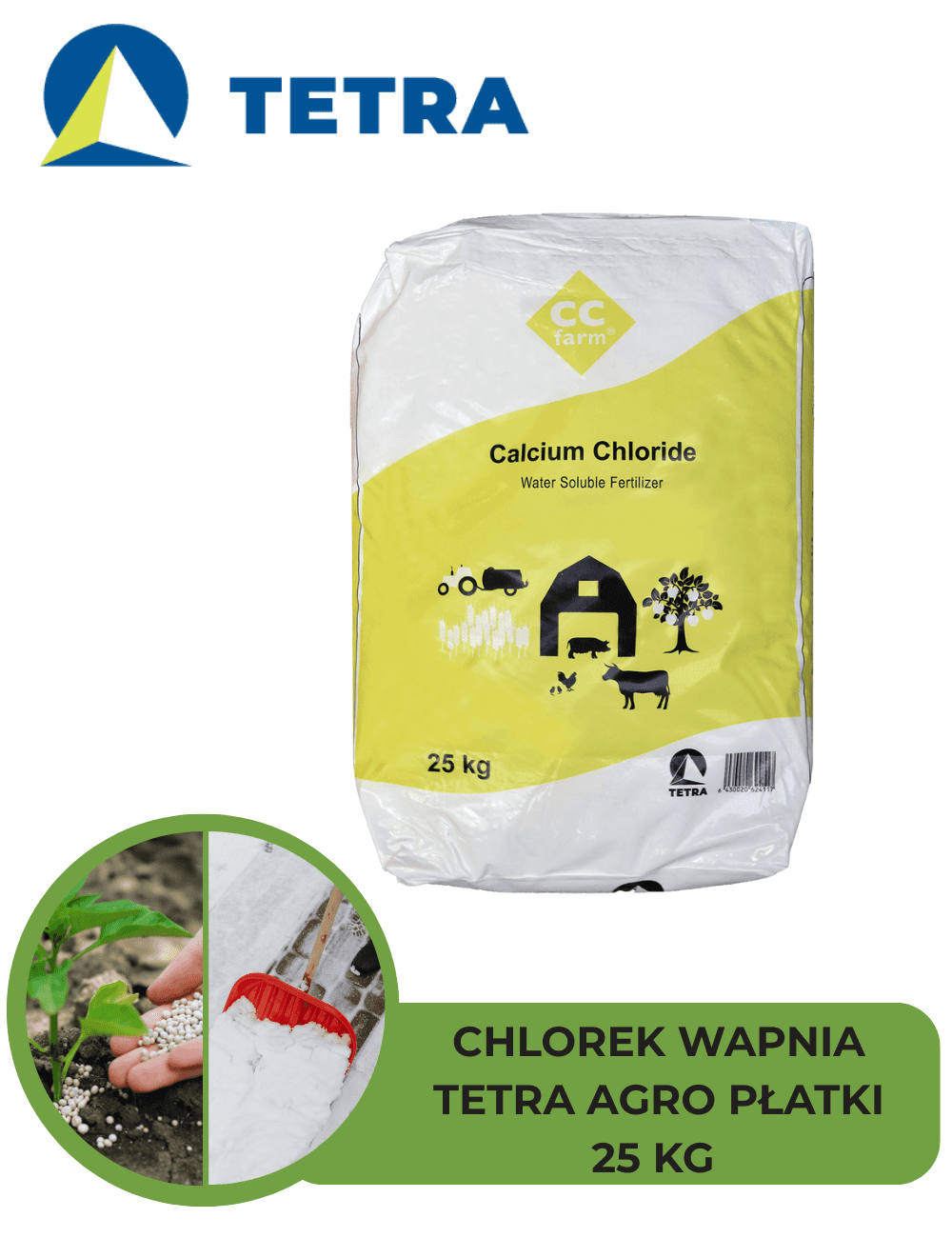
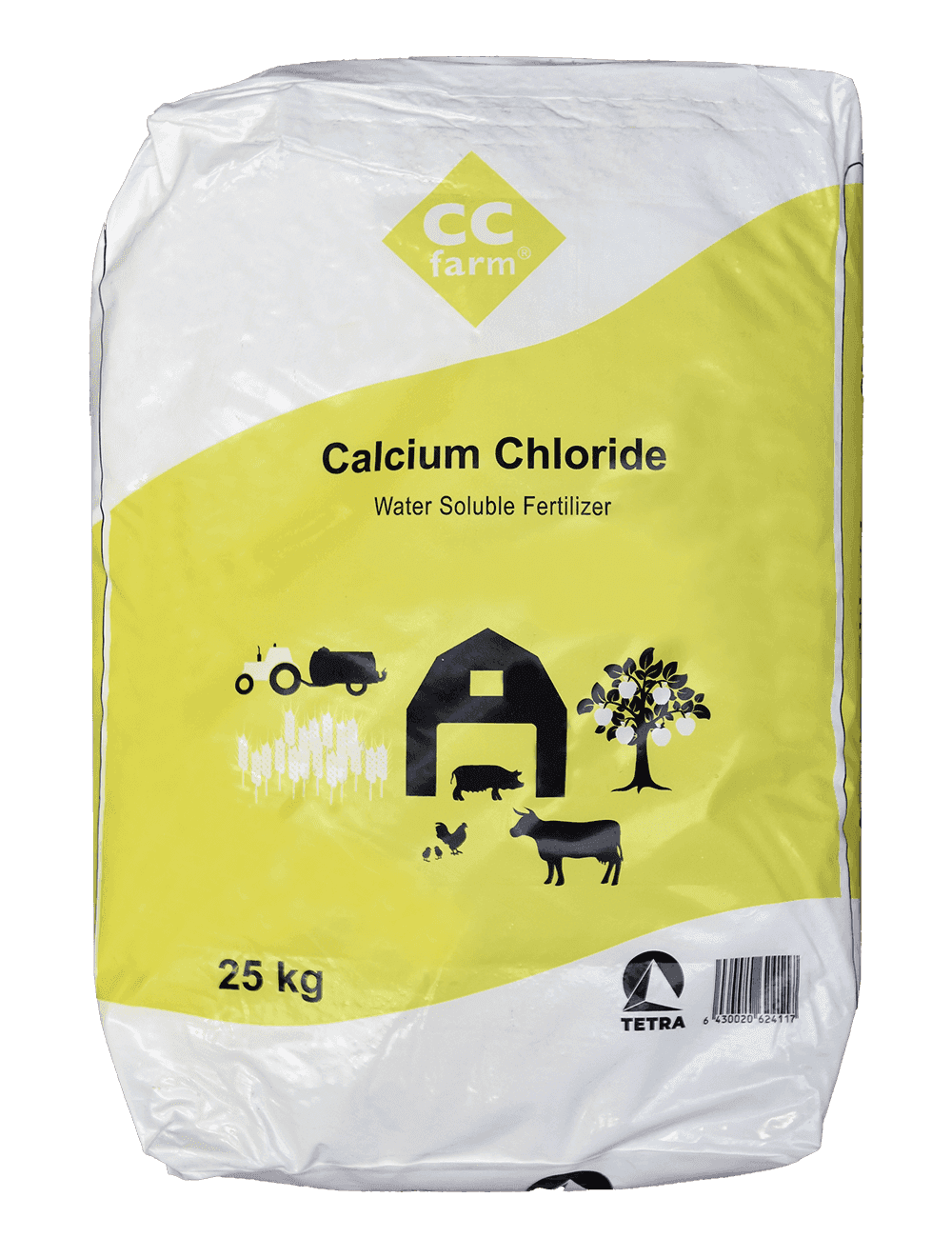
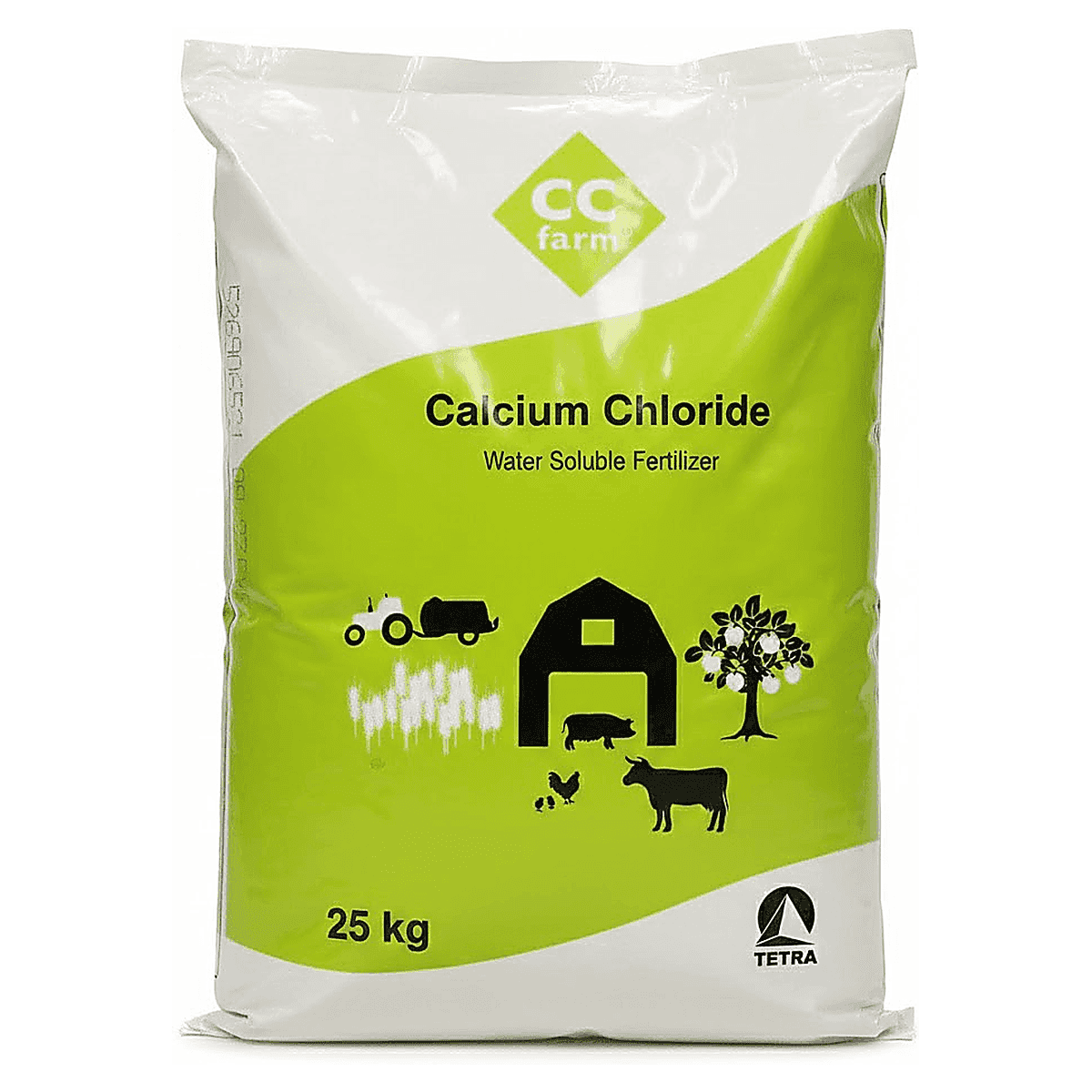
Tetra Anti-Ice Road Calcium Chloride Flakes
TETRA calcium chloride in flake form is a safe road salt designed for winter maintenance of roads, pavements, car parks and manoeuvring areas.
- Pack
- 25 kg
Currently unavailable
Description
Calcium chloride (CaCl₂) – product for winter maintenance of roads and surfaces
Calcium chloride (CaCl₂) is a product used in the winter maintenance of roads, pavements, car parks and yards. It is used as calcium chloride for ice and as an agent reducing slipperiness in winter conditions. Due to its physicochemical properties, it is often chosen as a replacement for road salt in places where protection of surfaces, vehicles and the environment is important.
ADVANTAGES OF USING CALCIUM CHLORIDE
Calcium chloride is regarded as a safe road salt because:
-
it does not cause discoloration of paving stones, concrete or gres tiles
-
it does not leave a white residue on surfaces
-
when used normally, it does not exhibit strong corrosive effects on vehicles
-
it contains no sharp fractions, so it does not cause mechanical damage to footwear
-
when applied correctly, it does not cause mechanical injuries to animal paws
APPLICATION SCOPE AND INSTRUCTIONS FOR USE:
Winter use – calcium chloride for ice and snow
The product is intended for:
-
removing ice from roads, pavements, stairs and car parks
-
reducing post-snow slipperiness
-
use during freezing precipitation
-
eliminating black ice and frost
Calcium chloride for ice is effective over a wide temperature range, even down to approx. -40°C (depending on form and concentration), and its effect can last up to 72 hours, depending on weather conditions and traffic intensity.
Replacement for road salt in surface maintenance
Due to its different temperature range of action and ability to create active brine, calcium chloride is used as a replacement for road salt in:
-
winter maintenance of roads and pedestrian routes
-
areas with increased risk of icing
-
areas requiring reduced impact of de-icing agents on surfaces
Method of application
The product should be applied directly to the surface:
-
in solid form – evenly spreading on the icy surface (manually or mechanically)
-
in solution form – by spraying or pouring onto the surface
Protective gloves are recommended during application.