20% off your entire basket
Plant protection, fertilisers, seeds – everything 20% off. The discount is applied automatically in your basket, no code needed.
The sale ends on 3 November 2026 at 23:59 (CET).
Shop now →Four reasons to buy from us

Always original products
Straight from producers and authorised distributors.

A brand you can trust
On the market for years, with our own warehouse.

Professional advice
We help with the right product and dosage.

Safe delivery
Fast, reliable and professional.
What can we help with?
 Weeds in the lawn
 Moss in the lawn
 Lawn fungus
 Insecticides
 Your vegetable garden
 Ornamental plants
 Ant control
 Wasp repellents
 Slugs and snails
 Spiders
 Flies and mosquitoes
 Cockroaches
 Mice and rats
 Moles
 Grubs and weevils
 Stubborn weeds
 Cleaning products
 Pool chemicals
 Snow clearing
 Sledges and bobs
 Sprayers & accessories
 For agriculture



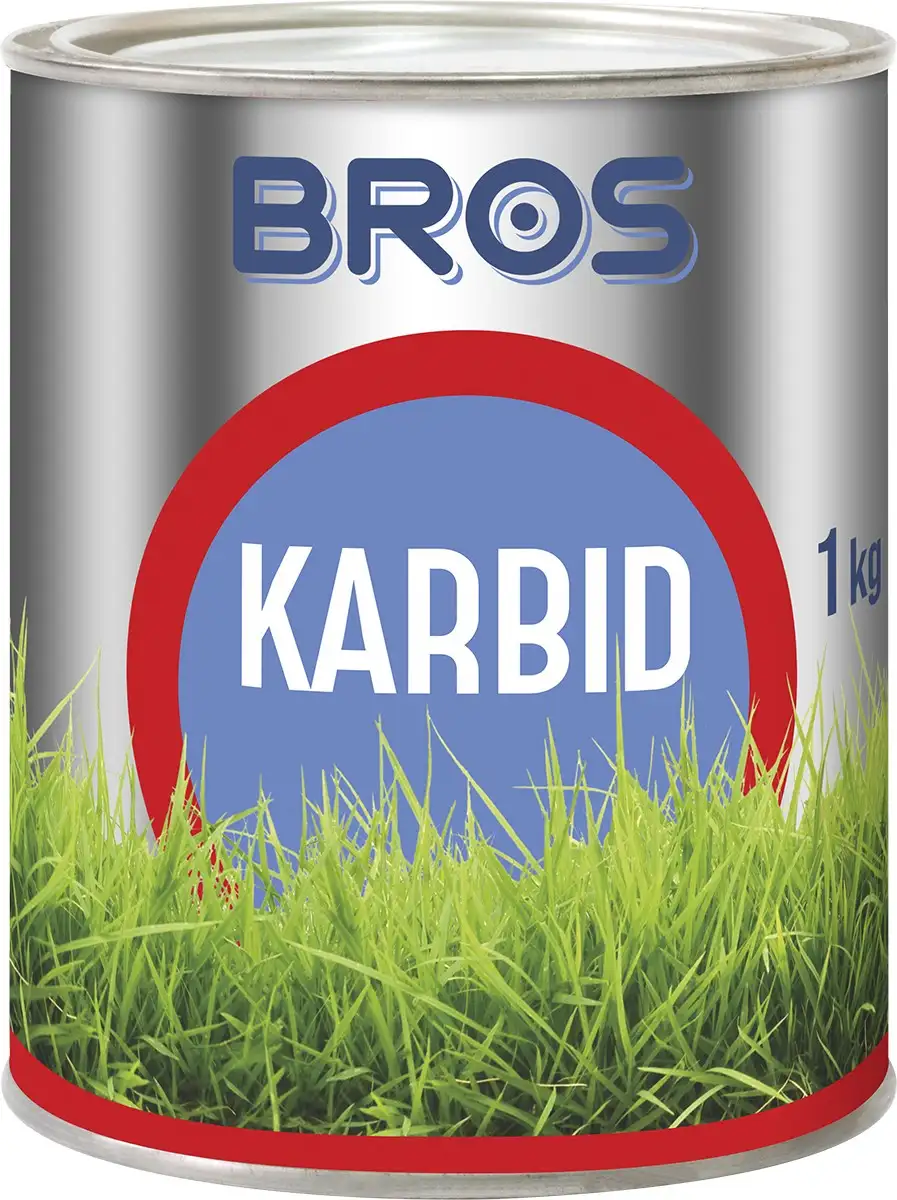
Mice and rats · Moles
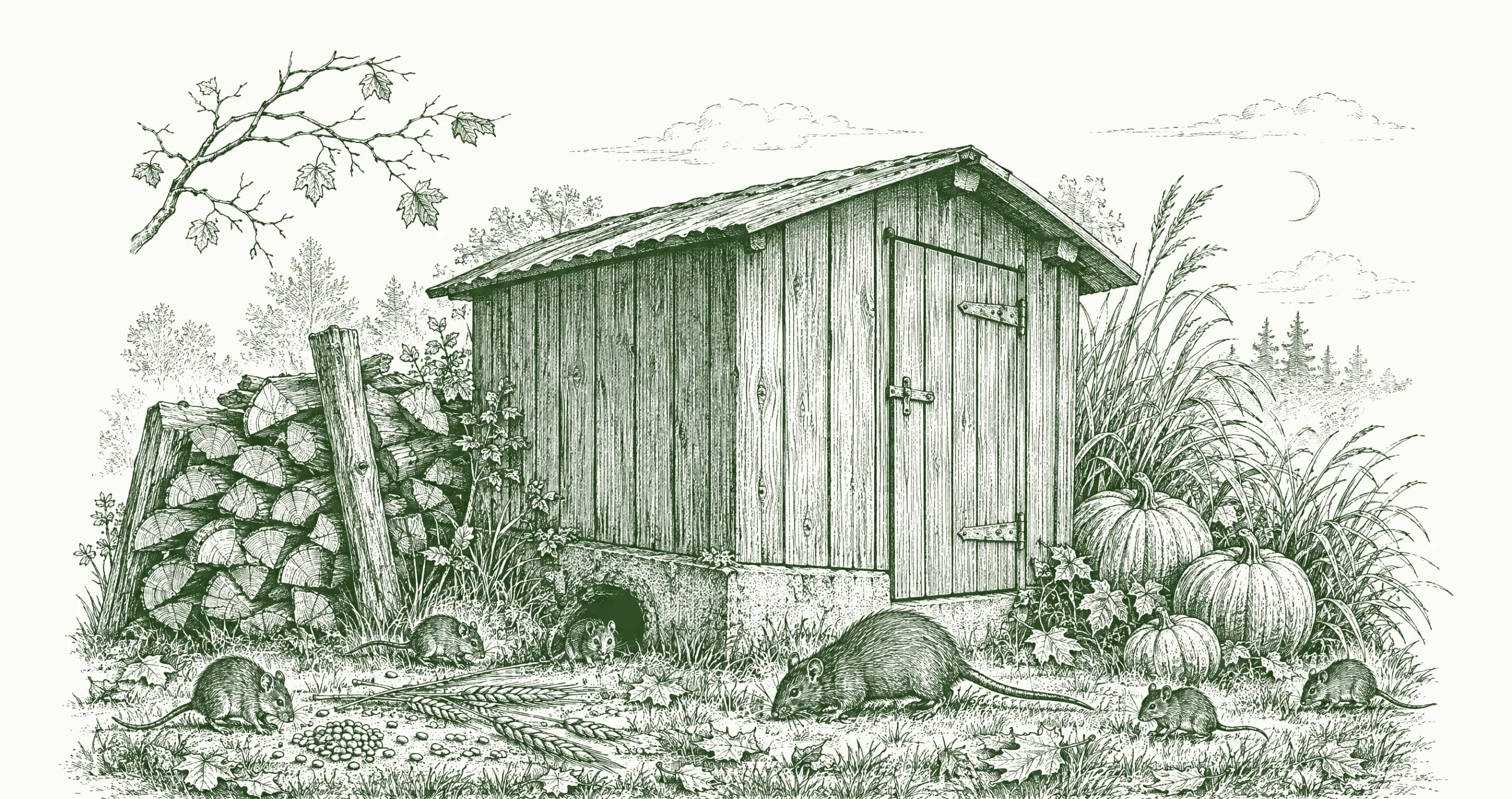
What our customers buy most at this time of year – based on our orders from previous years.
Find products for your crop
Pick a crop to see the matching herbicides, fungicides, insecticides, organic products, fertilisers and growth regulators.

































Solutions for weeds in the lawn
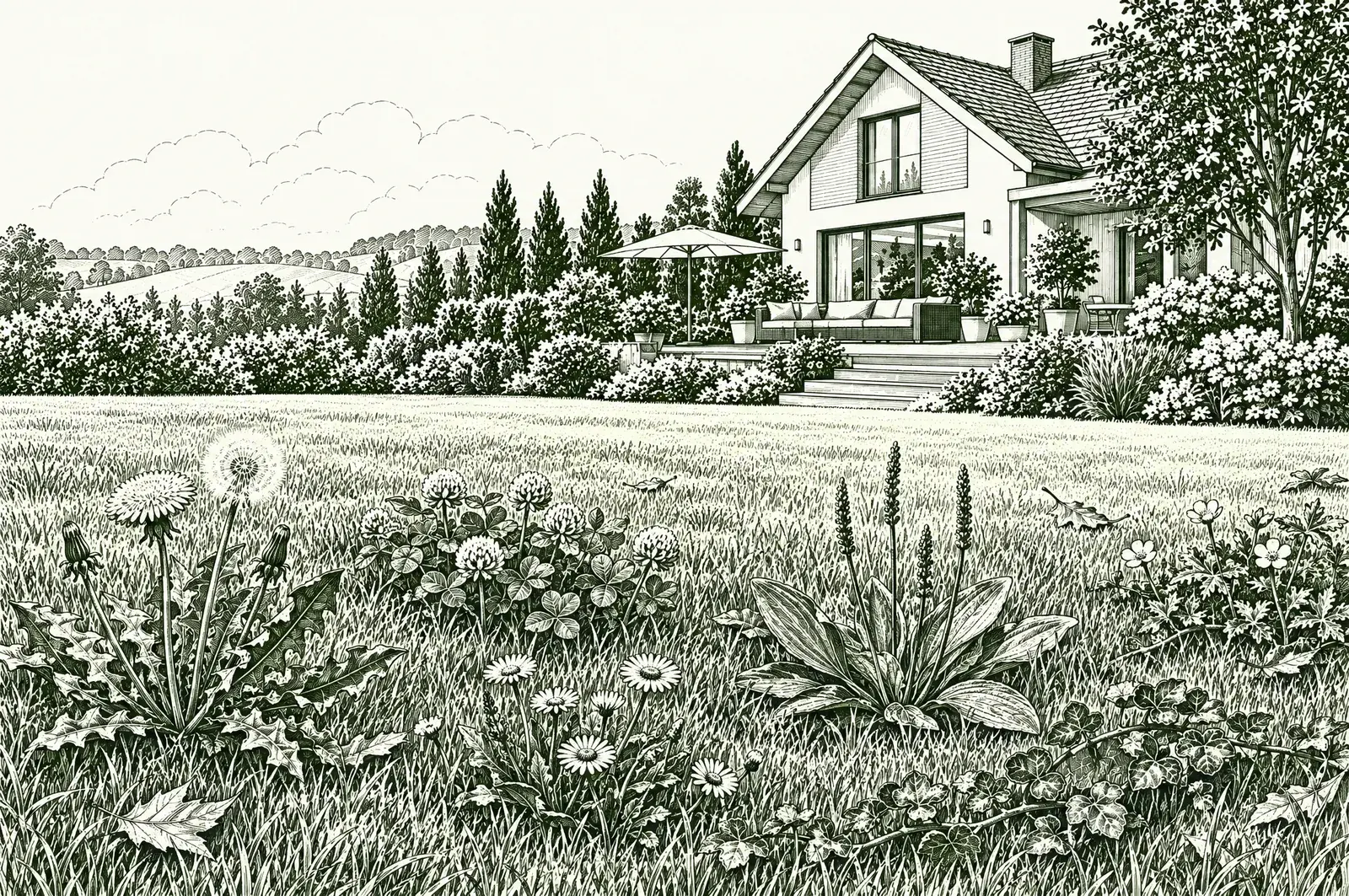
Dandelion, plantain and clover grow faster than grass and take its light, water and nitrogen. A selective herbicide hits broadleaf weeds only — the grass stays. Spray on a still day, a few days after mowing, once the weeds are in full leaf.
See lawn weed killers →
Moss in the lawn
Moss is the symptom, not the cause — it moves in wherever the grass is weak: in shade, on compacted and acid soil, after mowing too short. An iron-based product blackens it within days; then you rake it out and oversow. Without scarifying, liming and feeding it will be back next season.
See lawn products →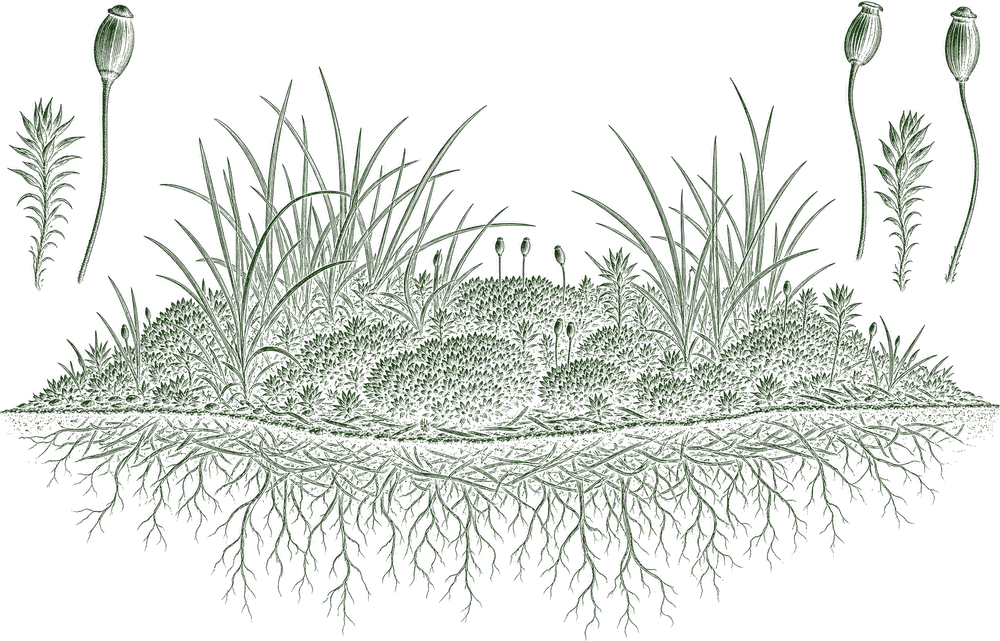
Fungus in the lawn
Fairy rings, rusty patches and snow mould are different diseases with one shared cause: moisture that never gets to dry off. A fungicide stops the spread, but first cut back on evening watering, aerate the turf and collect the clippings. Repeat as the label says, usually after 10 to 14 days.
See fungicides →
Roundup
Glyphosate works through the leaf and travels down to the roots, so it also clears couch grass, horsetail and weeds in paving joints. Spray green, actively growing plants in dry, still weather — rain in the first few hours washes it off. It is non-selective, so shield anything that should stay.
See total weed killers →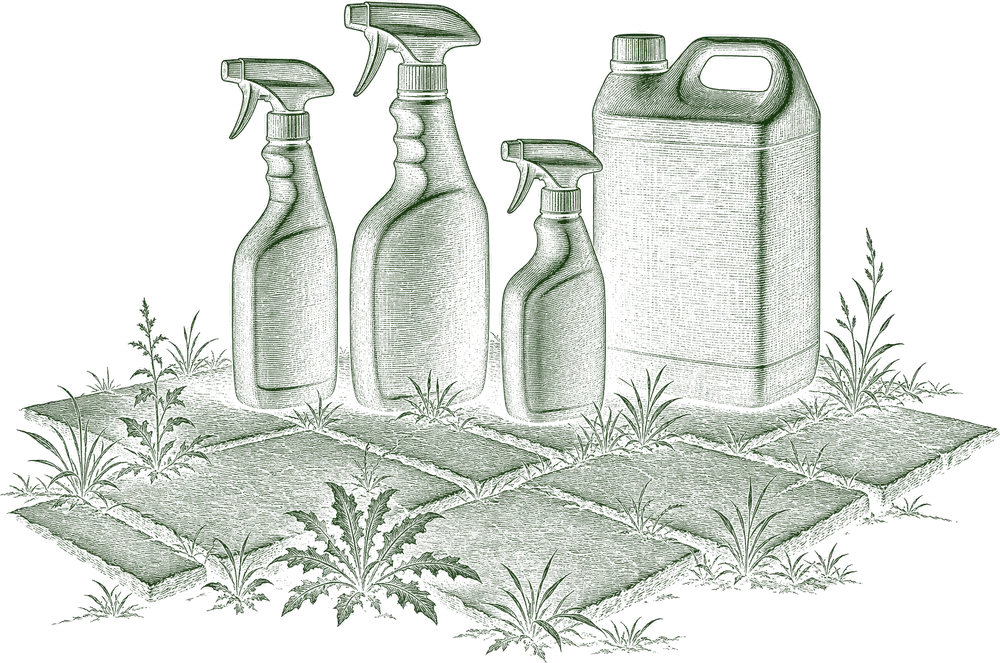
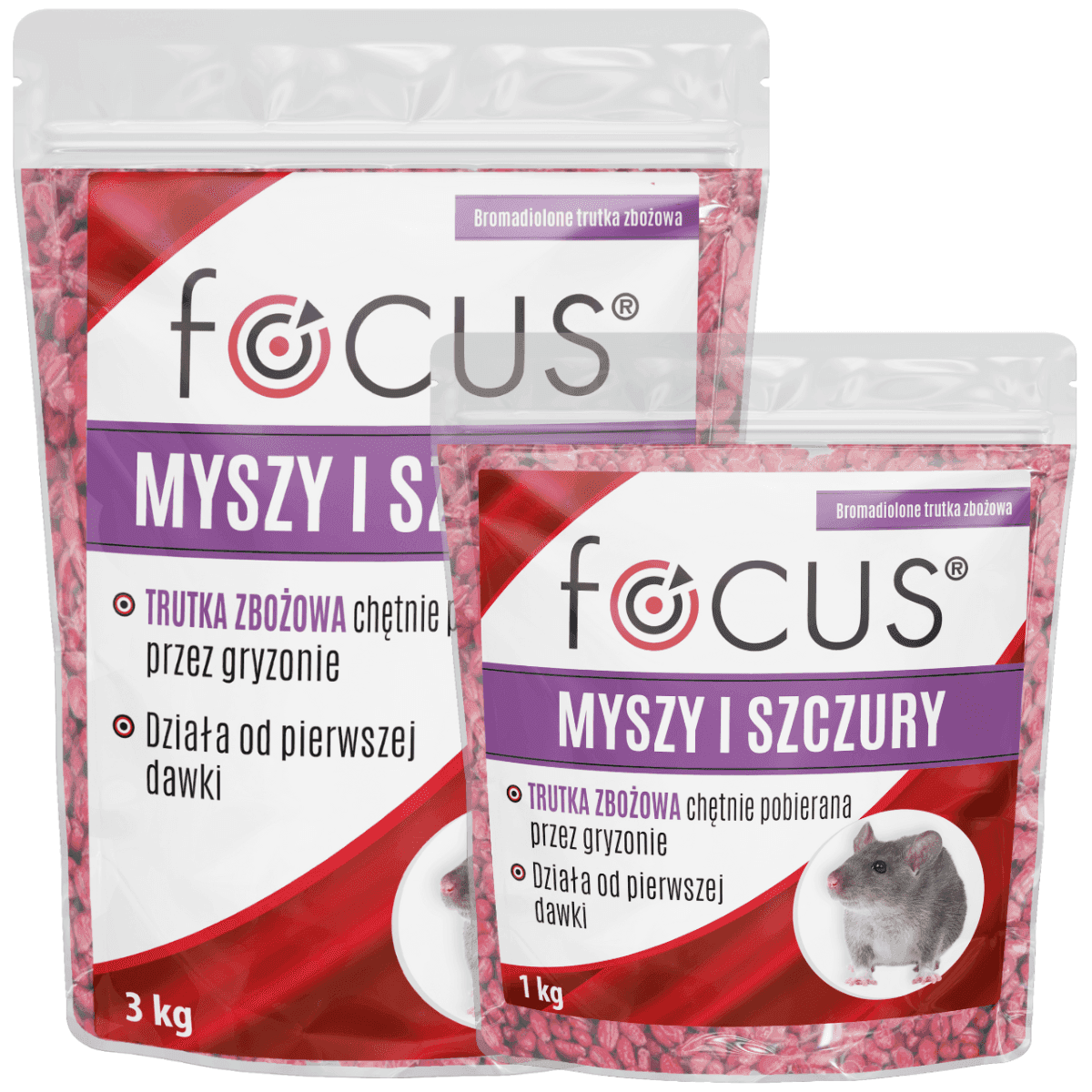
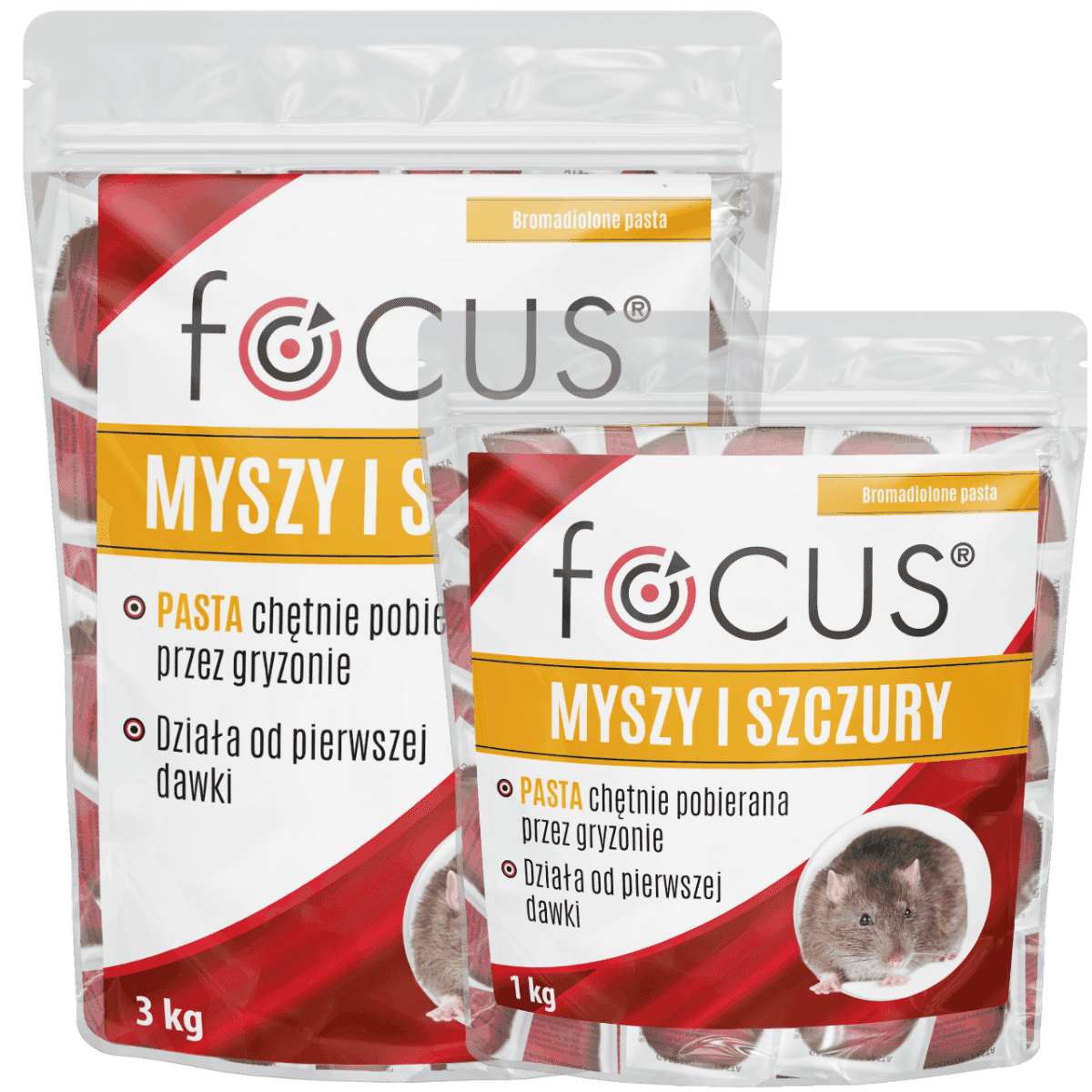
Mice and rats
Rodents go where there is food and a gap the width of a thumb. Only ever put bait in a closed bait station — that is what keeps children and pets safe, and it keeps the bait dry as well. Place the stations along walls on their runs and check them every few days.
See mouse and rat control →
Moles
A mole eats no plants — it digs after earthworms and lifts the lawn into heaps on the way, while the runs cut through roots. Control only pays in an active run: you spot one because an opened hole is pushed shut again within a day. The options are repellents, traps and smoke cartridges — clearing the hills alone leaves the problem underneath.
See mole control →
Insecticides
Aphids, potato beetles, caterpillars and spider mites can destroy a crop faster than you spot the pest. Match the product to the species and its stage, and treat in the evening when bees are not flying. Mind the pre-harvest interval — the days that must pass between spraying and picking.
See insecticides →
Your vegetable garden
Vegetables grow fast and ask for a lot: even watering, fertile soil and protection within narrow time windows. Match the feed to the crop — roots want potassium, leafy greens nitrogen, tomatoes calcium. Check the pre-harvest interval on every product, because the bed leads straight to the table.
See vegetable fertilisers →
Ornamental plants
Roses, hydrangeas, conifers and perennials fall ill differently from vegetables — usually with mildew, black spot and spider mites. Feeding here is chosen for flower colour and soil pH, not for yield. Autumn treatments and winter protection decide how the plants come through the frost.
See flower fertilisers →
Ants
Ants on the terrace are usually the end of a long trail — the nest sits under the paving or in the lawn, a few metres away. Killing single workers achieves nothing; you have to reach the queen, with a gel or granule the workers carry into the nest themselves. Apply in dry weather and do not wash it away.
See ant control →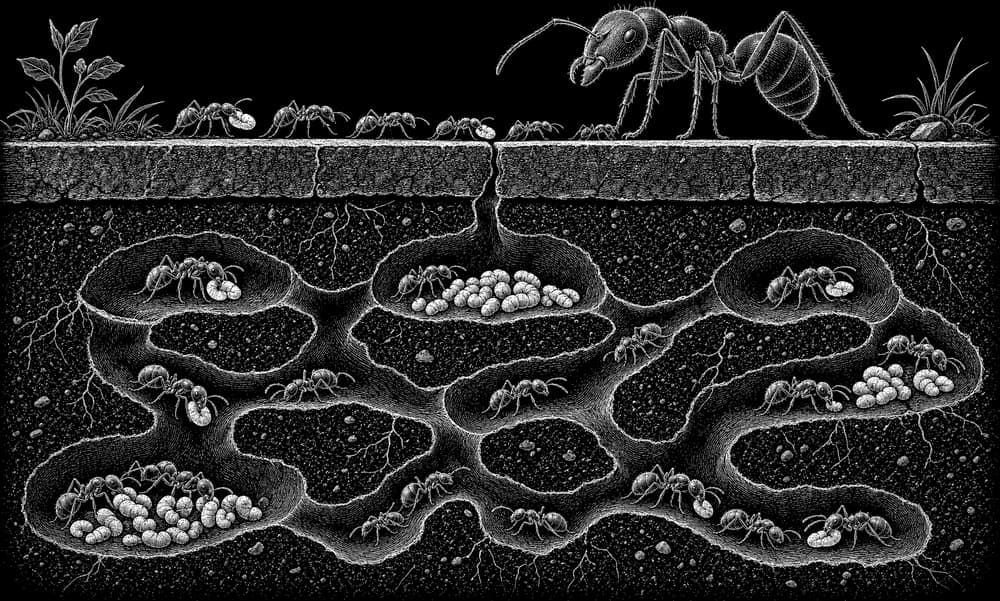
Wasps
A wasp nest can grow from the size of a nut to the size of a ball in a few weeks, and by late summer the insects turn aggressive. Long-jet aerosols let you work from a safe distance, best after dark when the whole colony is inside. For nests in a roof void or wall cavity, call a professional.
See wasp control →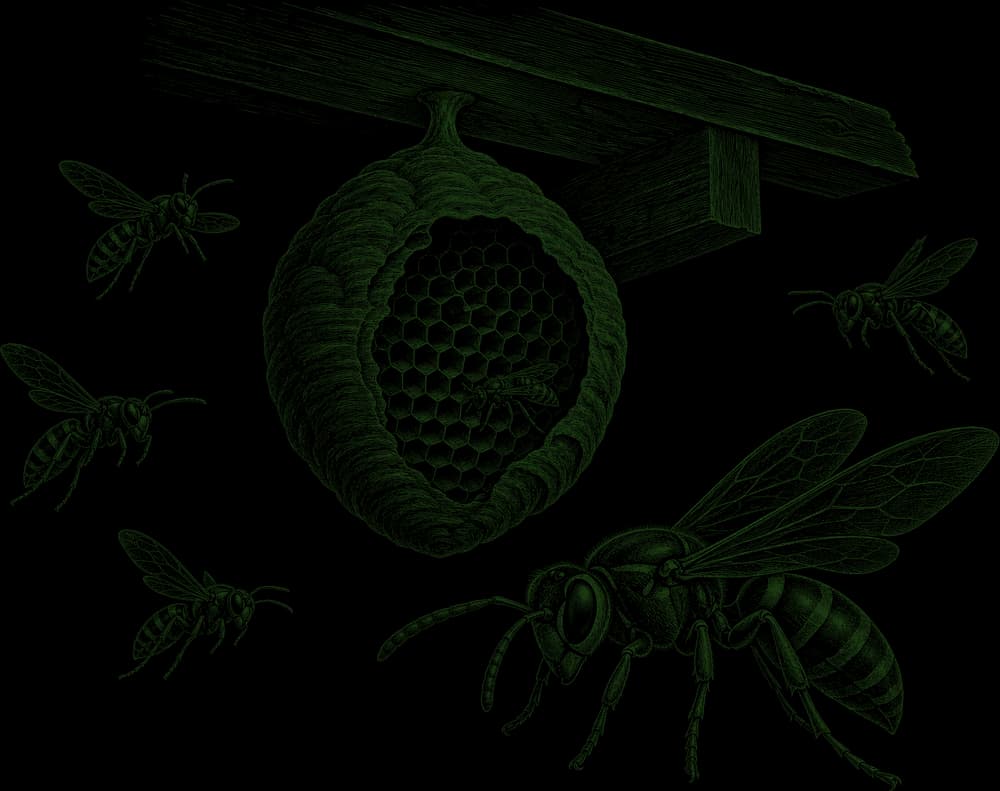
Slugs and snails
Slugs feed at night and after rain, and the damage only shows in the morning: shredded leaves, seedlings eaten off, silver trails across the soil. Scatter pellets thinly and evenly, never in heaps, and renew them after heavy rain. They work better once you clear the hiding places: boards, pots and thick mulch beside the bed.
See slug control →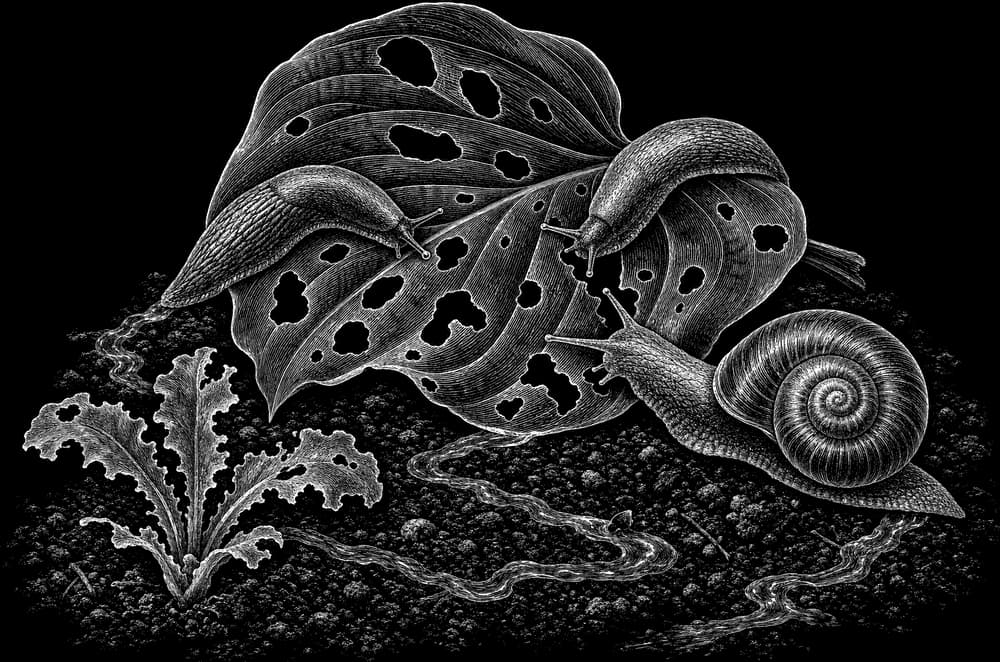
Spiders
Spiders come indoors in autumn looking for shelter from the cold, and spin webs at windows, in the garage and under the eaves. Barrier products go on frames, thresholds and gaps, leaving a layer insects will not cross. Clearing webs regularly takes away their footholds.
See spider control →
Flies and mosquitoes
Mosquitoes breed in standing water and flies where organic waste sits — the fight starts at those places, not at the insect in flight. Indoors, aerosols and sticky traps do the job; on the terrace, surface sprays and larvicides in water containers. Skin repellents protect only for the time stated on the label.
See fly and mosquito control →
Cockroaches and bed bugs
Cockroaches and bed bugs sit in cracks, behind trim and in mattress seams, so spraying open surfaces never reaches them. What works is gels, residual products and persistence: repeat after 10 to 14 days to catch the generation that hatches next. With bed bugs, washing and heat-treating textiles matters just as much.
See cockroach and bed bug control →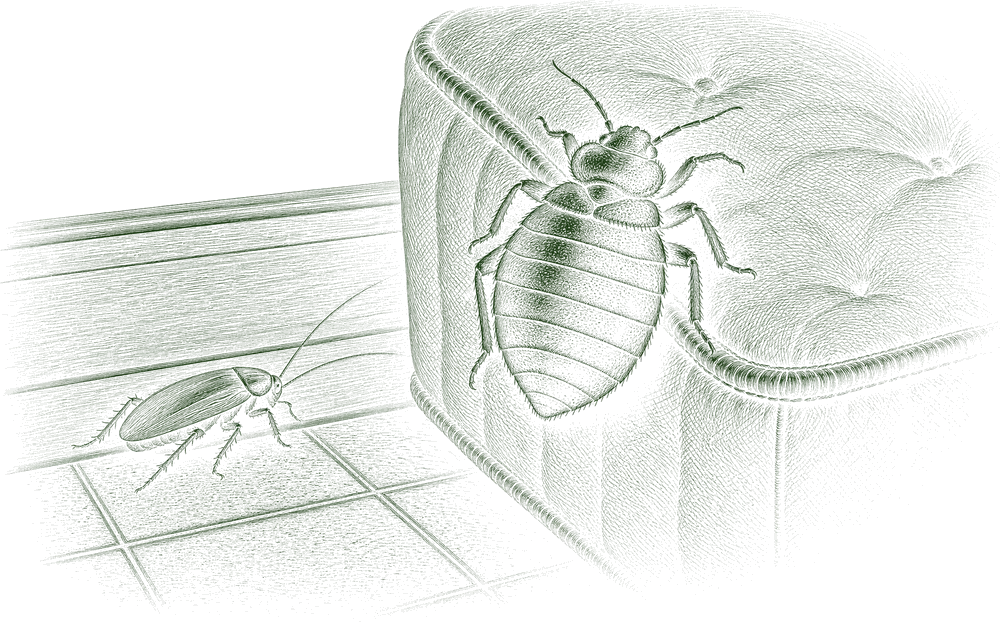
Cleaning products
Terraces, paving, façades and greenhouses go green with algae and film that will not come off on its own. Cleaning products dissolve it without scrubbing and without a pressure washer, which flushes the sand out of the joints. Match the product to the surface — one for wood, another for concrete, another for glass.
See cleaning products →
Pool chemicals
Pool water stays right when you keep an eye on three things: pH, chlorine level and regular filtration. Set the pH to 7.0–7.4 first, because at the wrong pH chlorine simply does not work. Algaecides and flocculants supplement disinfection, they do not replace it.
See pool chemicals →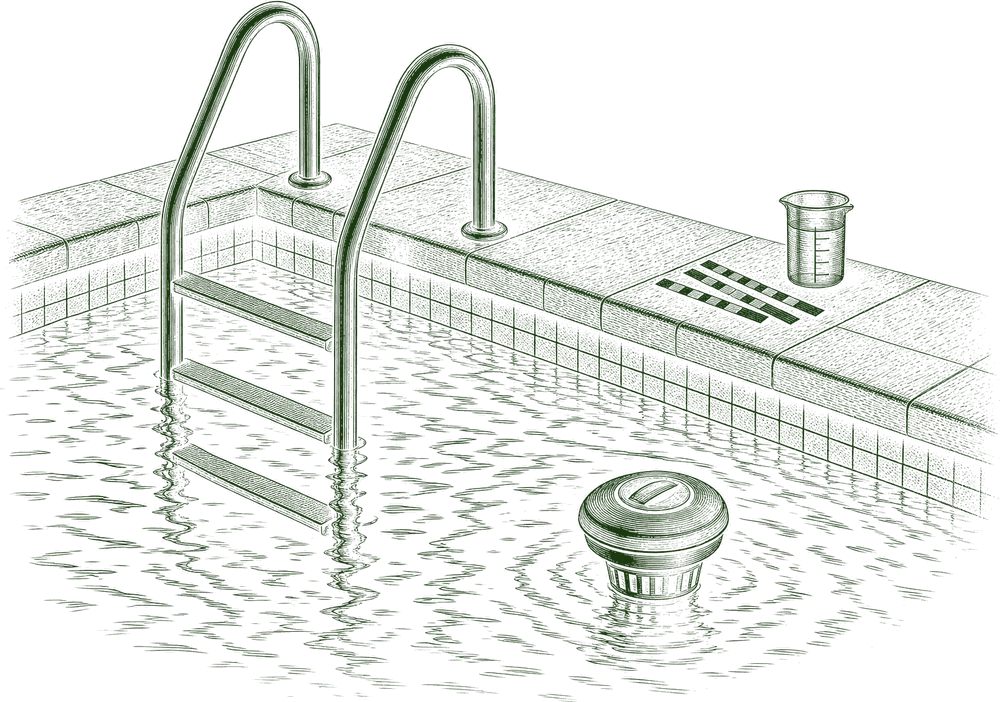
Clearing snow
A cleared pavement is the property owner’s duty, and with ice it is also a question of liability. Salt works down to about −6 °C; below that you need magnesium or calcium chloride products. Around paving, plants and dogs’ paws, chloride-free grit and sand are the better choice.
See snow clearing products →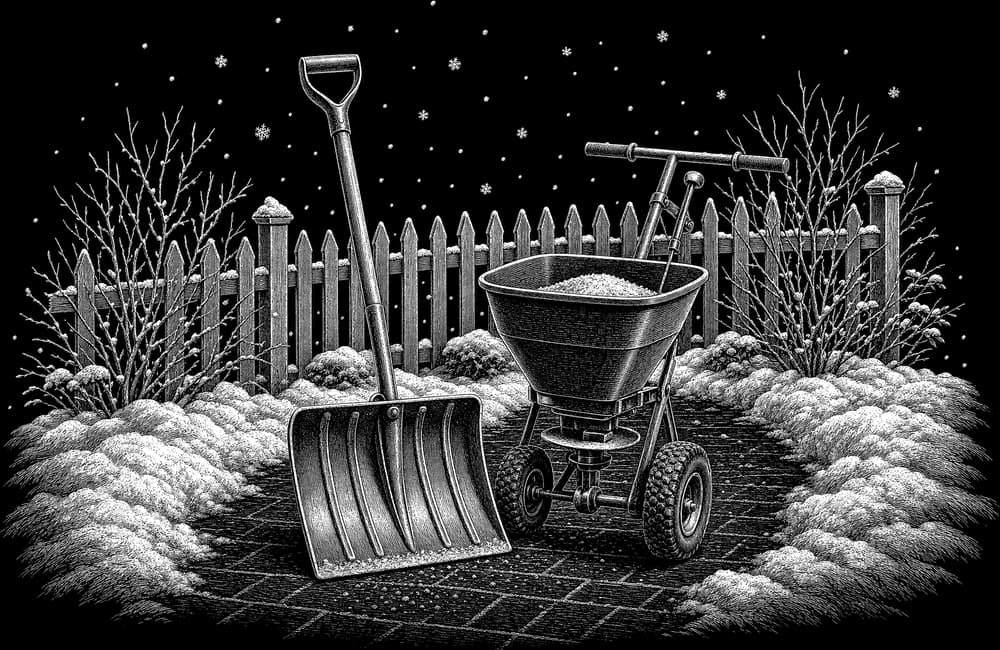
Sledges
Sledging is the cheapest winter outing there is, but the gear differs more than you would think. Wooden sledges with steel runners track well on packed snow, while saucers and slides run better in fresh powder. Check the rope, the runners and the load rating — and pick slopes well away from the road.
See sledges →
Seed treatment
Seed treatment protects the seedling through the first weeks, when no sprayer can enter the field — it works exactly when the plant is most defenceless. It covers damping-off, bunt, loose smut and the first soil pests. Treating a hectare costs a fraction of resowing, and resowing also costs you the drilling date.
See seed treatments →
Weeds in winter cereals
In autumn the weed has two or three leaves and dies at a low rate — by spring the same silky bentgrass has tillered and built a root system, and the rate rises with the cost. Judge the leaf stage in the field, not in the calendar: that decides the result, not the date. Where bentgrass has stopped responding to sulfonylureas, change the mode of action instead of raising the dose.
See cereal herbicides →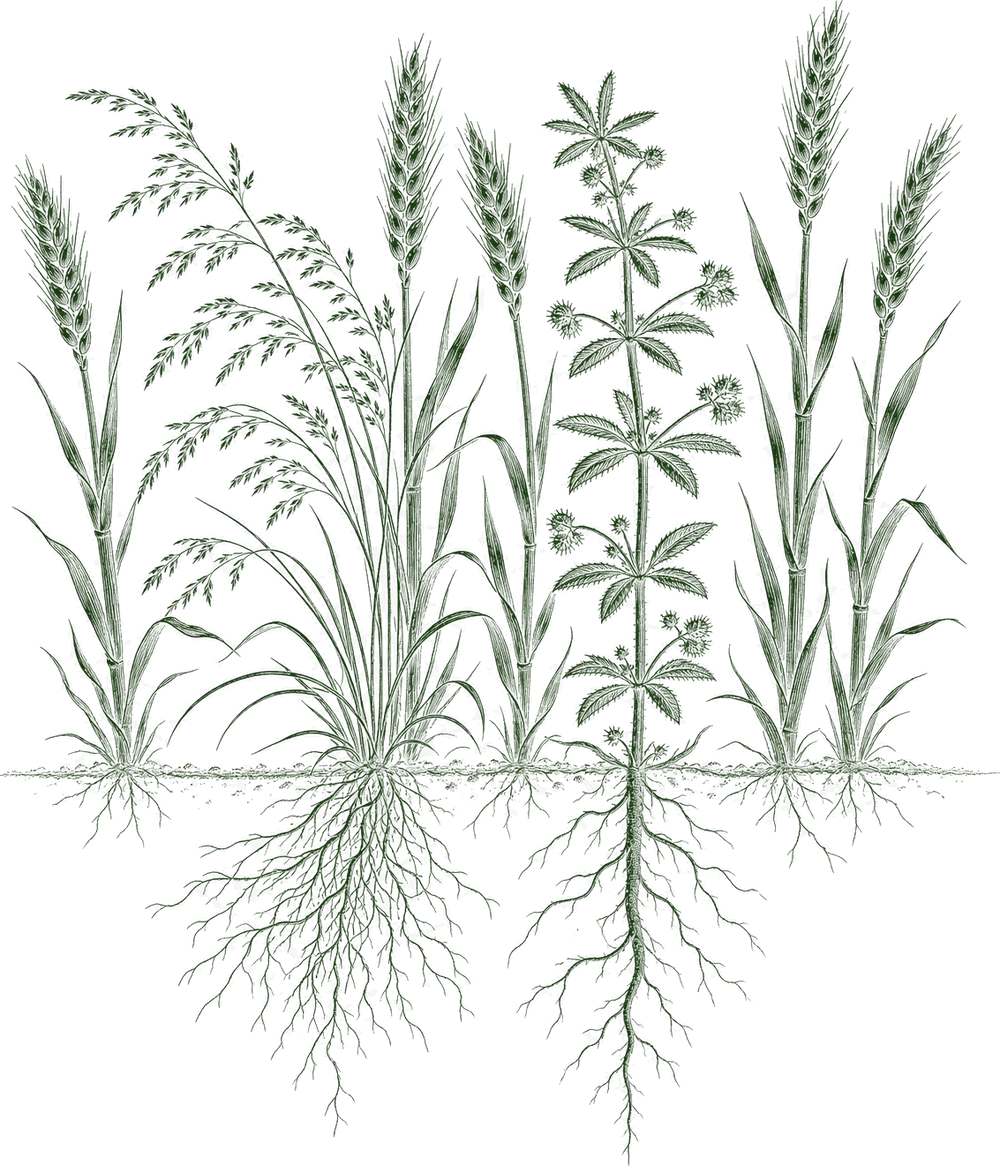
Oilseed rape from sowing to harvest
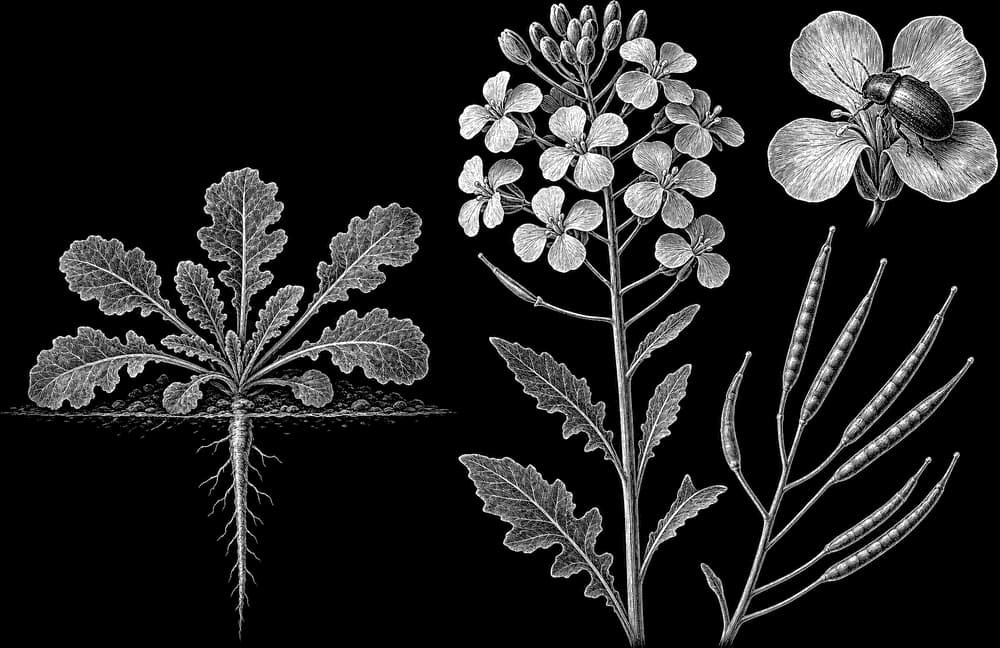
Oilseed rape is settled at three moments in the season. In autumn it is the pests on young plants and the growth regulation that has to carry the rosette through winter. In spring it is pollen beetle at green bud and protection against sclerotinia at full flower — a few days late shows up later on the weighbridge.
See oilseed rape protection →