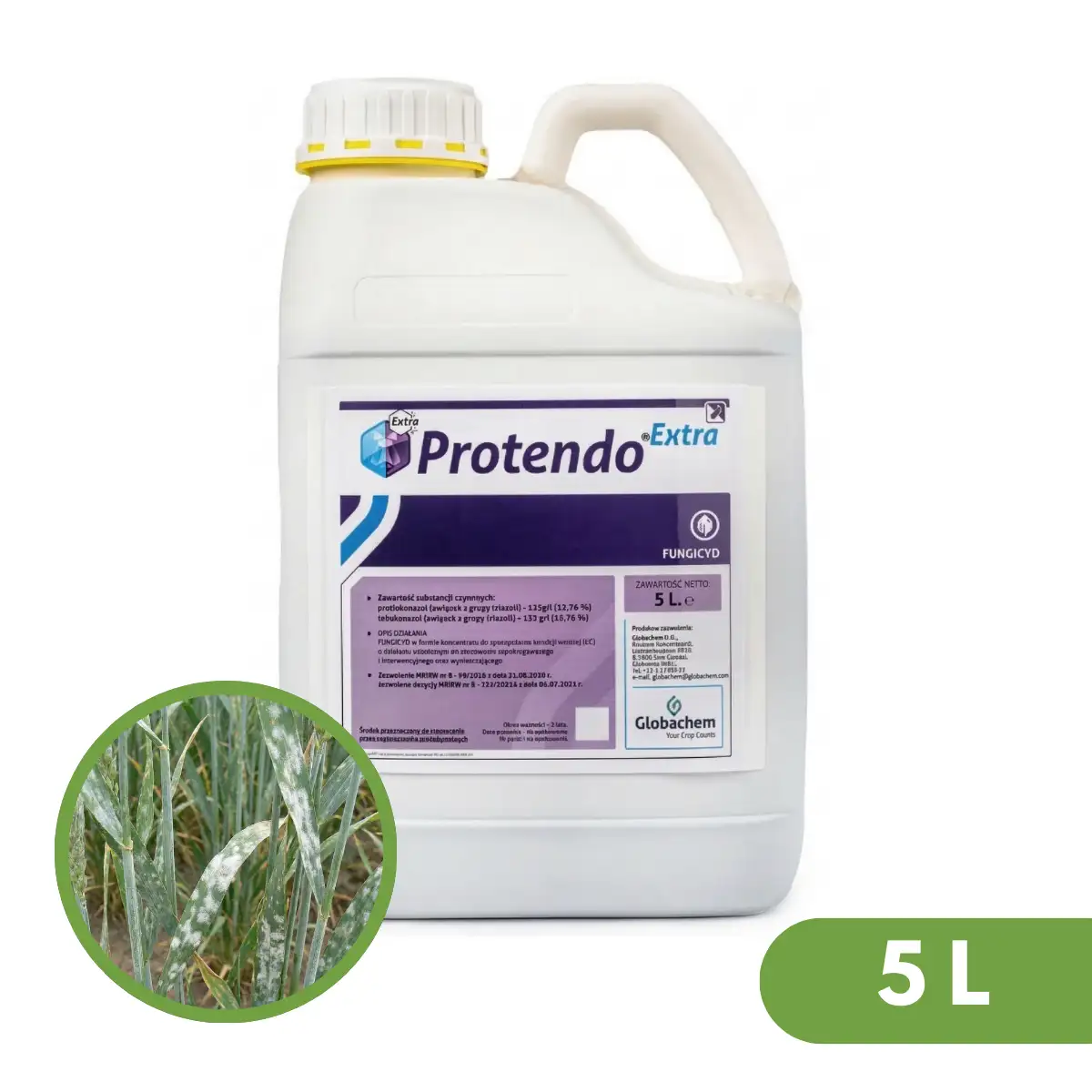
 SKU CH-15282
Comet 200 EC
COMET 200 EC is a professional fungicide designed for the control and prevention of the most dangerous fungal diseases in winter and spring cereal crops.
- Pack
- 5 l
Currently unavailable
Description
ACTION OF COMET 200 EC:
COMET 200 EC is a highly advanced fungicide distinguished by its powerful locally systemic and translaminar action. This means that after application, the active substance quickly penetrates deep into the tissues and moves to the opposite side of the leaf blade. Thanks to this, the product flawlessly protects even those parts of the plant that were not directly covered by the spray liquid, ensuring full and long-lasting protection.
The fungicide acts on multiple fronts: used preventively it builds an invisible shield against pathogen attacks, and when applied interventionally, it rapidly stops the progression of an already developing infection. An additional unique advantage of COMET 200 EC is the physiological stimulation of the plant – the product reduces stress caused by non-pathogenic factors (e.g. sunburn), improving vigour, photosynthesis process, and overall tolerance of the crop to adverse conditions.
CONTENT OF ACTIVE SUBSTANCES:
pyraclostrobin (a compound from the strobilurin group) - 200 g/l (19.2 %)
Advantages of using COMET 200 EC:
- Strong translaminar action: Effectively penetrates leaf blades, protecting even the unsprayed sides of the leaf from infections.
- Double fungicidal power: Acts preventively and interventionally, providing great flexibility in choosing the ideal timing for the protective treatment.
- Beneficial physiological effect: Reduces the formation of blotches caused by abiotic stress (e.g. sunlight), maximising greenness and crop health.
Pre-harvest interval:
- Winter wheat, spring wheat - 35 days
- Winter barley, spring barley - 35 days
- Winter rye - 35 days
- Winter triticale - 35 days
COMET 200 EC - SCOPE OF USE, TIMING AND DOSES:
Winter wheat, spring wheat
| Controlled pests: | brown rust, yellow rust of cereals, brown leaf blotch, septoria leaf blotch |
| Maximum / recommended dose: | 0.8 - 1.25 l/ha (Maximum: 1.25 l/ha) |
| Application timing: | From full tillering stage (5 visible tillers) to the end of flowering stage (BBCH 25-69). Use preventively or after first symptoms appear. |
| Maximum number of treatments: | 2 (interval between treatments: at least 21 days) |
| Recommended water volume: | 150 - 400 l/ha (fine droplet spraying) |
Winter barley, spring barley
| Controlled pests: | barley rust, cereal rhynchosporium, barley net blotch, reduction of non-pathogenic factors causing leaf blotches (sunburn) |
| Maximum / recommended dose: | 0.8 - 1.25 l/ha (Maximum: 1.25 l/ha) |
| Application timing: | From full tillering stage (5 visible tillers) to the end of flowering stage (BBCH 25-69). Use preventively or after first symptoms appear. |
| Maximum number of treatments: | 2 (interval between treatments: at least 21 days) |
| Recommended water volume: | 150 - 400 l/ha (fine droplet spraying) |
Winter rye
| Controlled pests: | brown rust, cereal rhynchosporium |
| Maximum / recommended dose: | 0.8 - 1.25 l/ha (Maximum: 1.25 l/ha) |
| Application timing: | From full tillering stage (5 visible tillers) to the end of flowering stage (BBCH 25-69). Use preventively or after first symptoms appear. |
| Maximum number of treatments: | 2 (interval between treatments: at least 21 days) |
| Recommended water volume: | 150 - 400 l/ha (fine droplet spraying) |
Winter triticale
| Controlled pests: | brown rust |
| Maximum / recommended dose: | 0.8 - 1.25 l/ha (Maximum: 1.25 l/ha) |
| Application timing: | From full tillering stage (5 visible tillers) to the end of flowering stage (BBCH 25-69). Use preventively or after first symptoms appear. |
| Maximum number of treatments: | 2 (interval between treatments: at least 21 days) |
| Recommended water volume: | 150 - 400 l/ha (fine droplet spraying) |