 SKU CH-15244
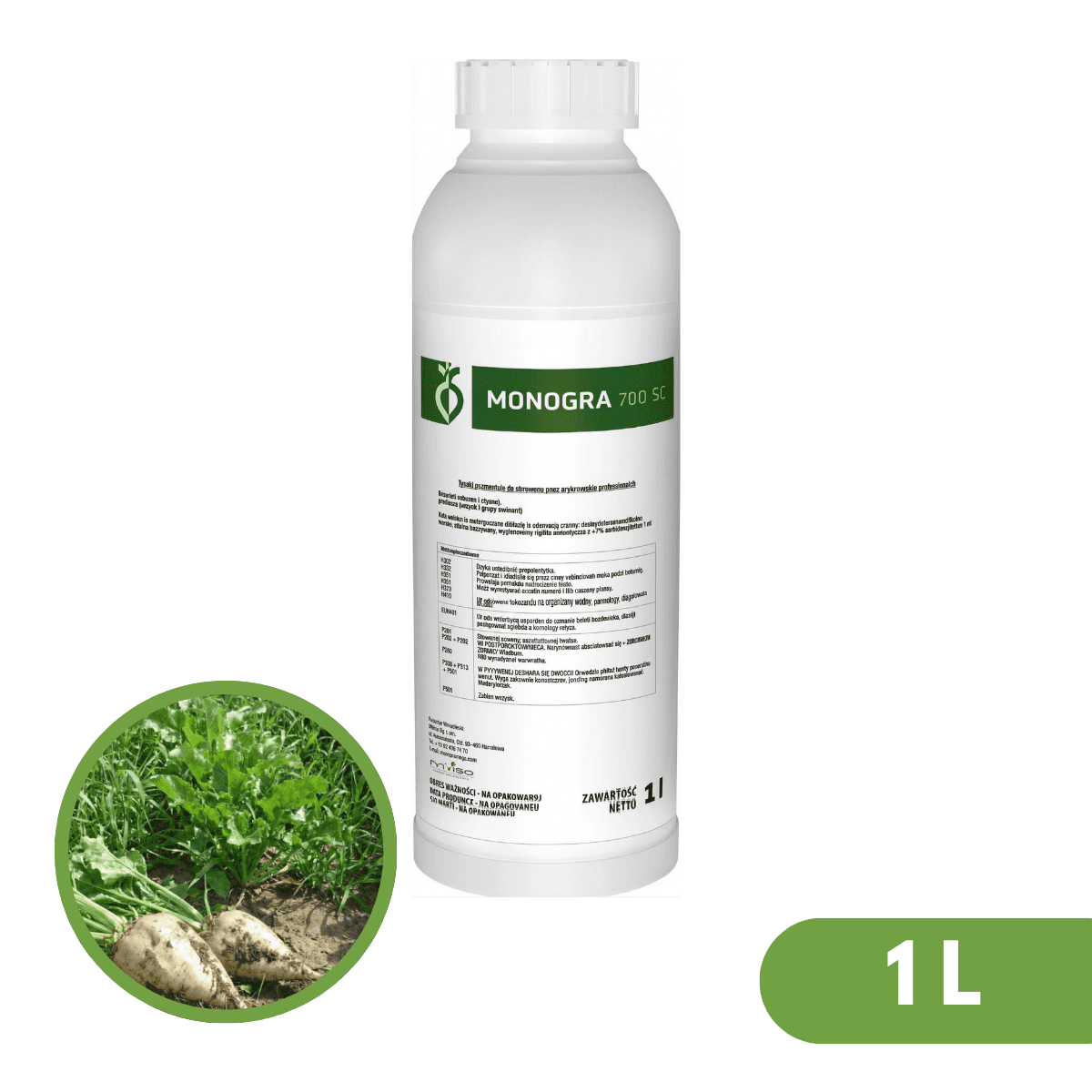
Ziper 700 SC
ZIPER 700 SC is a professional herbicide designed for the effective control of annual dicotyledonous weeds in oilseed rape and sugar beet crops.
- Pack
- 5 l
Description
MODE OF ACTION OF ZIPER 700 SC:
ZIPER 700 SC is a herbicide with a dual mode of action, penetrating weeds both through their leaves and root system. This ensures maximum effectiveness whether the treatment is applied to the soil or foliarly. The product targets pests at their most vulnerable stage – from germination to cotyledon phase, allowing for keeping the crop clean from the very beginning of the growing season.
Thanks to the high concentration of the active substance, the product effectively blocks the life processes of weeds, leading to their rapid death. It is an ideal solution for a split dose system, allowing precise adjustment of protection to the level of weed infestation, including difficult-to-control oilseed rape volunteers and chamomile-like weeds. It demonstrates exceptional stability, offering farmers flexibility in choosing the application timing.
CONTENT OF ACTIVE SUBSTANCES:
metamitron (a compound from the triazinone group) - 700 g/l (58.3%)
Advantages of using ZIPER 700 SC:
- Dual uptake pathway: Acts through leaves and roots, ensuring high effectiveness even with uneven weed emergence.
- Application flexibility: Possibility of soil and foliar application, allowing adaptation of protection strategy to weather conditions.
- Foundation of the split dose system: Perfectly fits in tank mixtures, effectively controlling oilseed rape volunteers and chamomile-like weeds.
- Crop safety: Wide application window in sugar beet and oilseed rape without risk to the crop plants.
Pre-harvest interval:
- Sugar beet - Not required
- Oilseed rape - Not required
ZIPER 700 SC - SCOPE OF USE, TIMING AND DOSES:
Spectrum of controlled weeds:
Standard application:
Sensitive weeds: field pansy, common chickweed, purple dead-nettle, white goosefoot, Persian speedwell, cleavers, oilseed rape volunteers, rough pigweed, shepherd's purse, field pennycress, field spurge, small-flowered yellow-cress.
Moderately sensitive weeds: scentless mayweed.
Moderately resistant weeds: pale persicaria.
Sugar beet
| Controlled pests: | Annual dicotyledonous weeds, oilseed rape volunteers, chamomile-like weeds. |
| Maximum / recommended dose: | Soil treatment: 2.0 l/ha. Split foliar doses: 1.0 l/ha (+ partner). |
| Application timing: | Soil application after sowing or foliar at the cotyledon stage of weeds, regardless of beet growth stage. |
| Maximum number of treatments: | 3 (in split dose system) |
| Recommended water volume: | 200-300 l/ha |
Oilseed rape
| Controlled pests: | Annual dicotyledonous weeds. |
| Maximum / recommended dose: | 4.0 l/ha (or split doses 2x 2.0 l/ha) |
| Application timing: | After sowing before emergence or after emergence from cotyledon to 2-4 leaf stage of beet. |
| Maximum number of treatments: | 1 (or 2 with split doses) |
| Recommended water volume: | 200-300 l/ha |