SKU CH-13151
Alert Pak 4 HA Capetus Extra 250 EC 3 X + Philon 250 SC 2 X
Alert Pak is a universal fungicide package for cereals, combining two active substances for comprehensive protection. It controls multiple diseases with a single treatment, acting preventively, curatively and interventively.
- Pack
- 1 l
Description
ALERT PAK ACTION:
Alert Pak is a universal and compact fungicide package designed for use in cereals. The combination of two products with different active substances provides convenience and effectiveness, while being an economical solution. The set can be used at T1, T2, or T1/T2 timings in extensively protected crops.
The package contains:
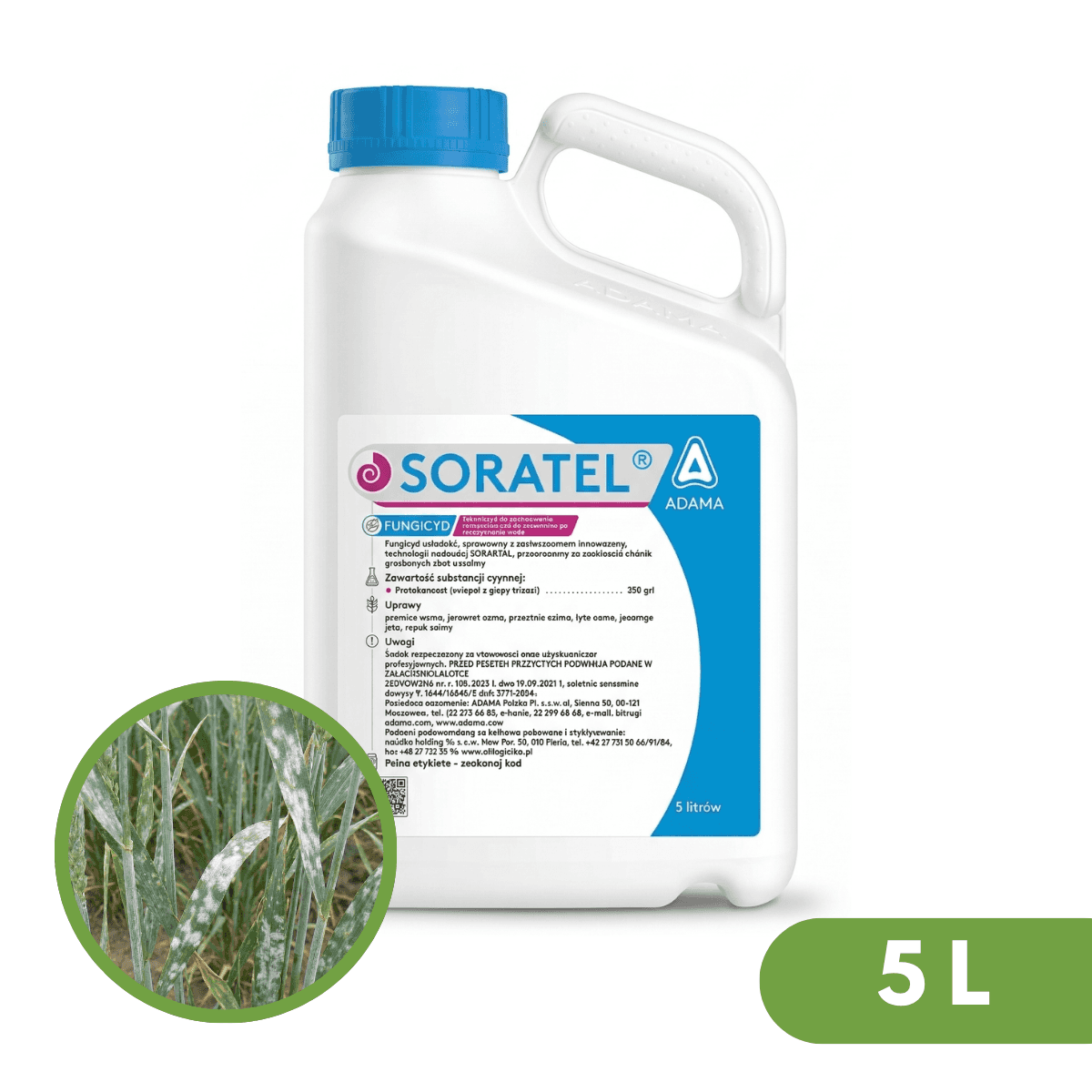
- Capetus Extra 250EC 3x1L,
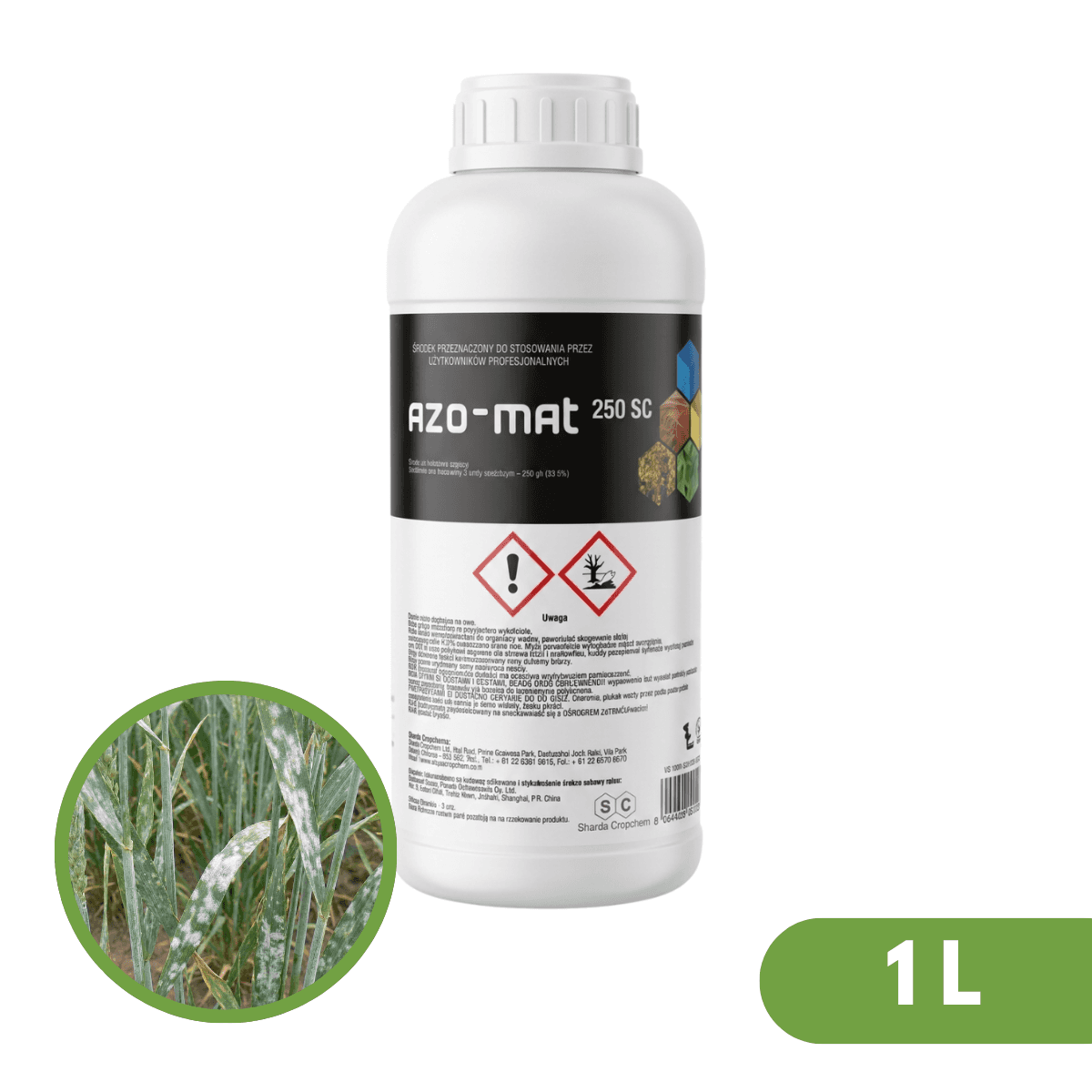
- Philon 250 SC 2x1L.
Advantages of using Alert Pak:
- comprehensive action - one treatment controls multiple diseases,
- easy and convenient application - package intended for 4 ha,
- economical solution, the set can be used at T1 and T2 timings,
- exhibits preventive, curative and interventive effects, and also provides a greening effect.
ACTION OF CAPETUS EXTRA 250EC:
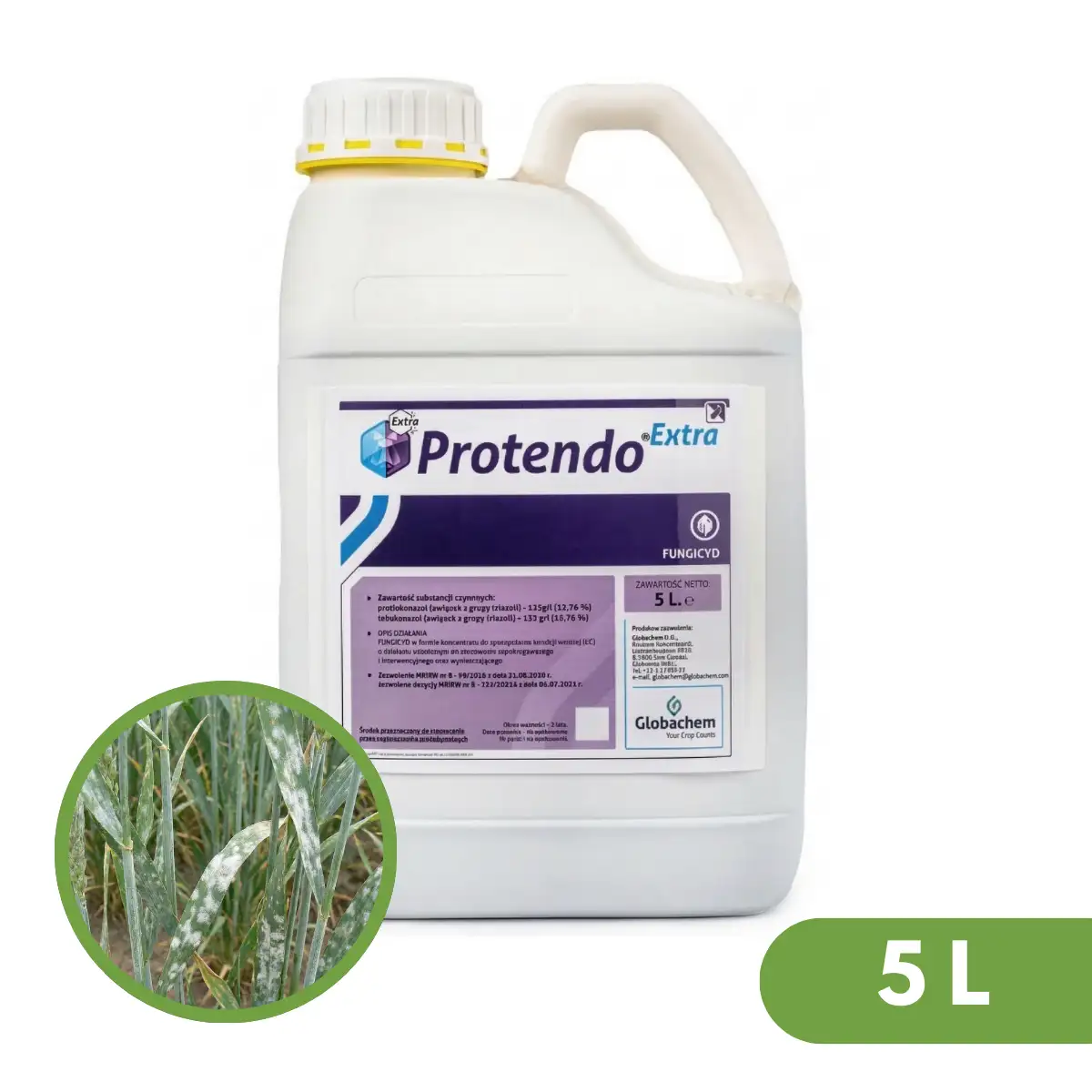
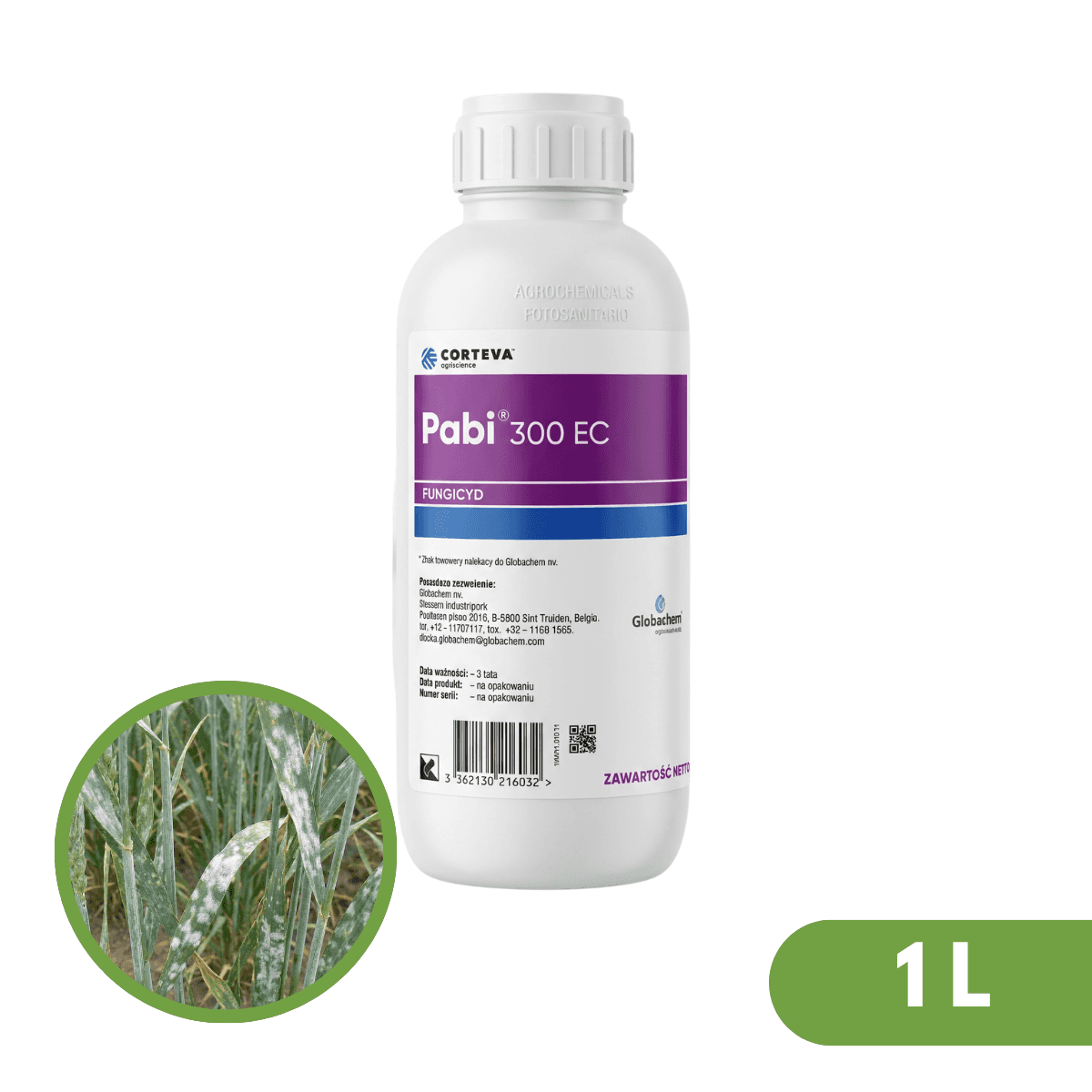
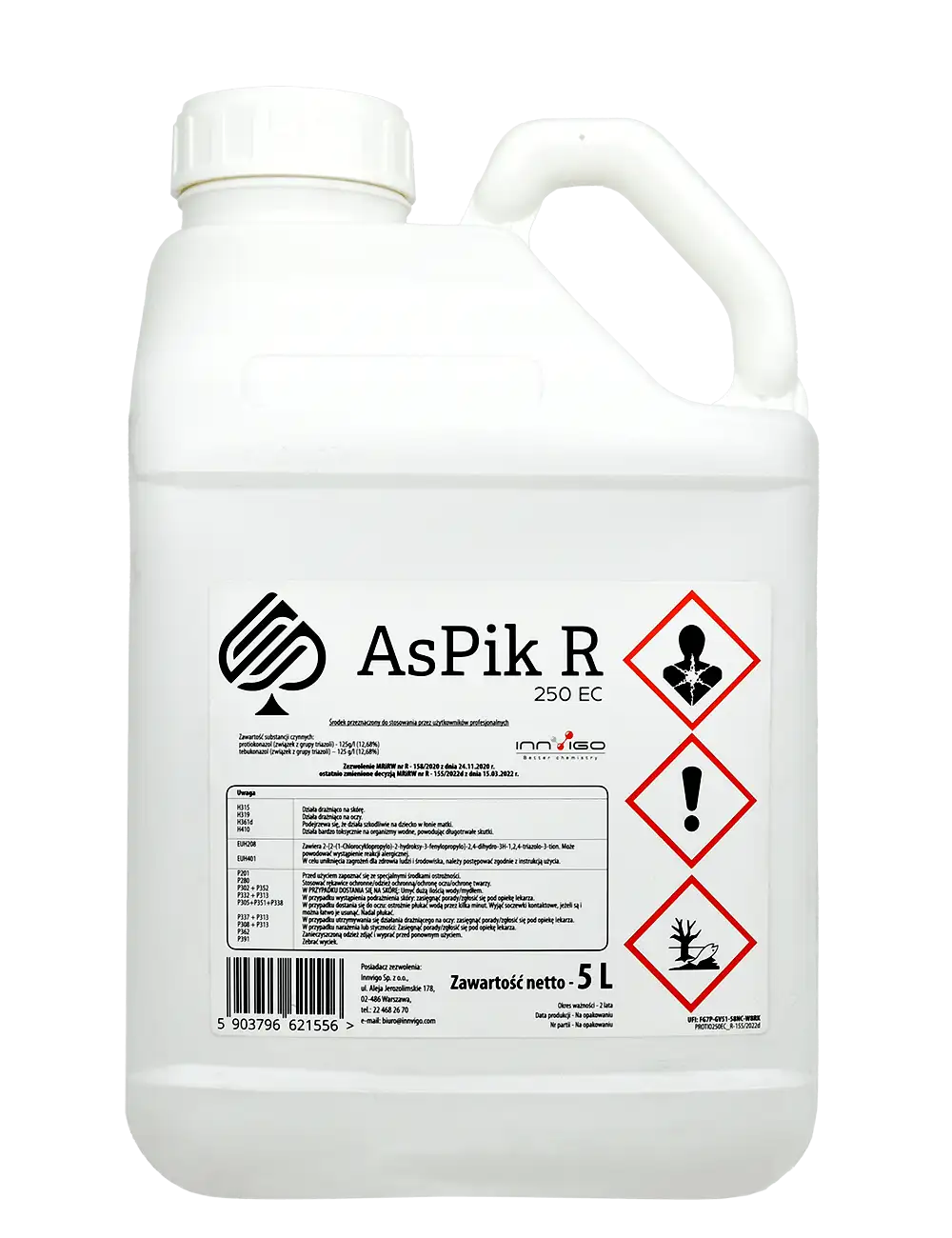
Capetus Extra is a fungicide in a convenient concentrate form for preparing water emulsions (EC). The product has systemic action and is intended for preventive, interventive and eradicative use in the protection against fungal diseases.
CAPETUS EXTRA 250EC ACTIVE SUBSTANCES CONTENT:
prothioconazole (a triazole compound) - 125g/l (12.8%)
tebuconazole (a triazole compound) – 125 g/l (12.8%)
CAPETUS EXTRA 250 EC SCOPE OF USE, TIMINGS AND DOSES:
The product is intended for use with self-propelled or tractor-mounted field sprayers.
How to use Capetus Extra 250EC:
Winter wheat
powdery mildew of cereals and grasses, brown rust of wheat, septoria leaf blotch of wheat, glume blotch, brown leaf spot, fusarium head blight, black point of cereals.
Spring wheat
powdery mildew of cereals and grasses, brown rust of wheat, brown leaf spot, septoria leaf blotch of wheat, glume blotch, fusarium head blight.
Winter triticale
brown rust, brown leaf spot, glume blotch, septoria leaf blotch, rhynchosporium of cereals, fusarium head blight.
Spring triticale
powdery mildew of cereals and grasses, brown rust, septoria leaf blotch, brown leaf spot, fusarium head blight.
Winter barley
powdery mildew of cereals and grasses, barley rust, rhynchosporium of cereals, net blotch of leaves, fusarium head blight.
Spring barley
powdery mildew of cereals and grasses, barley rust, rhynchosporium of cereals, net blotch of barley, fusarium head blight, black point of cereals.
Winter rye
brown rust, fusarium head blight, brown leaf spot, rhynchosporium of cereals.
Maximum dose for single application: 1.0 l/ha
Recommended dose for single application: 0.75-1.0 l/ha
Application timing:
Apply preventively or interventively at the onset of first disease symptoms from the beginning of stem elongation to the end of heading (BBCH 30-59)
Recommended water volume: 200-400 l/ha.
Recommended spraying: fine droplet.
Maximum number of treatments per growing season: 1
Use the higher recommended dose under conditions of greater disease pressure.
Note: Under conditions favourable for ear diseases in winter wheat: glume blotch and fusarium head blight, the spraying timing may be extended to the watery ripe grain stage, respecting the pre-harvest interval.
Pre-harvest interval of Capetus Extra 250EC:
winter wheat, spring wheat, winter barley, spring barley, winter triticale, spring triticale, winter rye - 35 days
ACTION OF PHILON 250 SC:
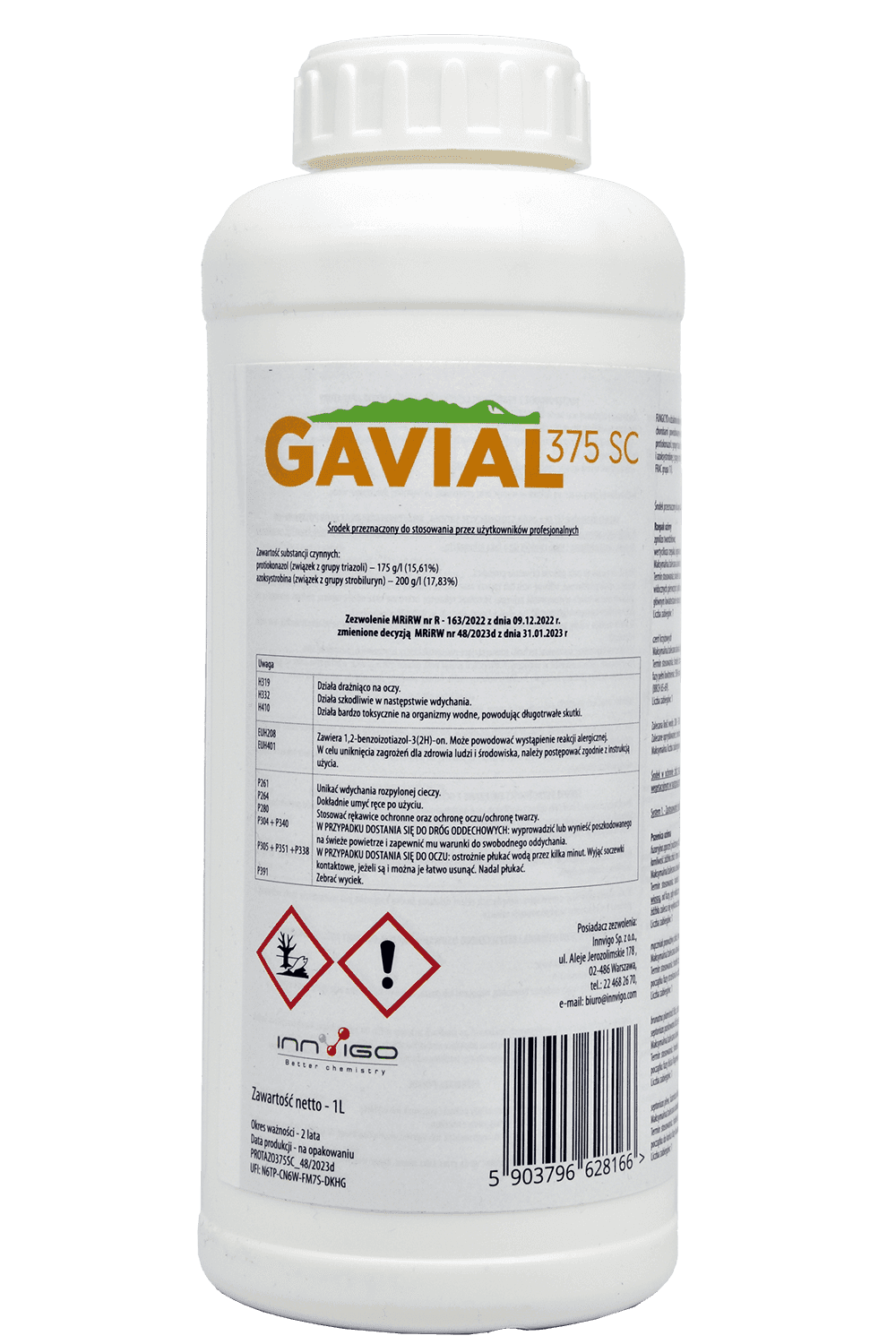
Philon 250 SC is a fungicide in the form of a concentrate as a suspension concentrate for dilution with water (SC). The product has penetrative and systemic action and is intended mainly for preventive use.
PHILON 250 SC ACTIVE SUBSTANCES CONTENT:
azoxystrobin (a strobilurin compound) – 250 g/l (22.81%).
PHILON 250 SC SCOPE OF USE, TIMINGS AND DOSES:
The product is intended for use with self-propelled or tractor-mounted field sprayers, field sprayers mounted on planters or hand sprayers.
How to use Philon 250 SC:
Winter wheat, spring wheat
powdery mildew of cereals and grasses, brown leaf spot, brown rust of wheat, septoria leaf blotch, glume blotch, fusarium head blight, black point of ears
Maximum dose for single application: 1 l/ha
Recommended dose for single application: 0.8 - 1 l/ha
Use the higher recommended dose under conditions of greater disease pressure.
Application timing: Apply mainly preventively or immediately after first disease symptoms appear, from the beginning of stem elongation to the end of heading.
Number of treatments: 1
Recommended water volume: 200-300 l/ha.
Adjust water volume to plant size and density.
Recommended spraying: fine droplet
Rye
brown rust, rhynchosporium of cereals
Maximum dose for single application: 1.0 l/ha
Recommended dose for single application: 0.8 – 1.0 l/ha
Use the higher recommended dose under conditions of greater disease pressure.
Application timing: Apply mainly preventively or immediately after first disease symptoms appear, from the beginning of stem elongation to the end of heading.
Number of treatments: 1
Recommended water volume: 200-300 l/ha
Adjust water volume to plant size and density.
Recommended spraying: fine droplet
Winter oilseed rape
blackleg, grey mould
Maximum dose for single application: 1 l/ha
Recommended dose for single application: 0.8-1 l/ha
Use the higher recommended dose under conditions of greater disease pressure.
Application timing: Apply preventively or immediately after first disease symptoms appear, from the petal fall stage to the formation of the first pods of oilseed rape.
Recommended water volume: 200-300 l/ha
Adjust water volume to plant size and density.
Recommended spraying: fine droplet
Number of treatments:1
Sclerotinia stem rot
Maximum/recommended dose for single application: 1 l/ha
Application timing: Apply preventively or immediately after first disease symptoms appear, from the beginning of flowering to the end of flowering.
Number of treatments: 1
Recommended water volume: 300 l/ha
Recommended spraying: fine droplet
Maximum number of treatments per growing season: 1
Onion
downy mildew, grey mould (neck rot), alternaria leaf spot
Maximum/recommended dose for single application: 0.8 l/ha
Application timing: Spray preventively from the 3-leaf stage, according to monitoring or immediately after first disease symptoms appear on seed onion, bulb onion or winter-sown onion in the area. Subsequent treatments every 7-10 days, alternating fungicides with different modes of action.
Recommended water volume: 700 l/ha
Interval between treatments: at least 7 days.
Maximum number of treatments per growing season: 3
Green bean
bean anthracnose, grey mould, sclerotinia stem rot
Maximum/recommended dose for single application: 0.8 l/ha
Application timing: Apply preventively or at the onset of first disease symptoms, during flowering and pod setting of beans. Treatments every 7–10 days, alternating fungicides with different modes of action.
Recommended water volume: 700 l/ha
Interval between treatments: at least 7 days
Maximum number of treatments per growing season: 2
Pea for green seeds
pea ascochyta blight, downy mildew
Maximum/recommended dose for single application: 0.8 l/ha
Application timing: First treatment at the beginning of pea flowering.
Treatments every 7–10 days, alternating fungicides with different modes of action.
Recommended water volume: 700 l/ha
Interval between treatments: at least 7 days
Maximum number of treatments per growing season: 2
Head cabbage (for long-term storage)
blackleg (alternaria leaf spot), grey mould
Maximum/recommended dose for single application: 0.8 l/ha
Application timing: First treatment preventively from BBCH 41 (beginning of head formation) or immediately after first disease symptoms appear.
Subsequent treatments as needed, every 7-10 days, alternating fungicides with different modes of action.
Recommended water volume: 700 l/ha
Interval between treatments: at least 7 days
Maximum number of treatments per growing season: 3
Chinese cabbage (for long-term storage)
blackleg (alternaria leaf spot), grey mould
Maximum/recommended dose for single application: 0.8 l/ha
Application timing: First treatment preventively from BBCH 41 (beginning of head formation) or immediately after first disease symptoms appear.
Subsequent treatments as needed, every 7-10 days, alternating fungicides with different modes of action.
Recommended water volume: 700 l/ha
Interval between treatments: at least 7 days
Maximum number of treatments per growing season: 3
Carrot
alternaria leaf spot, powdery mildew
Maximum/recommended dose for single application: 0.8 l/ha
Application timing: Apply preventively from BBCH 41 (beginning of development of harvestable parts – roots start to widen) or immediately after first disease symptoms appear on leaves. Subsequent treatments every 7-10 days, alternating fungicides with different modes of action.
Recommended water volume: 700 l/ha
Philon 250 SC plant protection product label, annex to MRiRW authorisation 4
Interval between treatments: at least 7 days
Maximum number of treatments per growing season: 3
Field tomato
potato late blight, alternaria leaf spot
Maximum dose for single application: 1.0 l/ha
Recommended dose for single application: 0.8 – 1.0 l/ha
Use the higher dose under greater disease pressure.
Application timing: For control of potato late blight, first treatment preventively from BBCH 21 (beginning of side shoot development), according to monitoring, before first disease symptoms or after first symptoms on early potato varieties in the area.
Subsequent treatments every 7-10 days, alternating fungicides with different modes of action.
Note: Do not apply during early growth stages of field-grown tomato (up to 4 weeks after planting or up to 5 weeks after sowing) and on wet plants or immediately after rain.
Recommended water volume: 800 l/ha
Recommended spraying: fine droplet
Interval between treatments: at least 7 days
Maximum number of treatments per growing season: 3
Leek
leek rust, alternaria leaf spot
Maximum/recommended dose for single application: 0.8 l/ha
Application timing: Apply preventively from BBCH 13 (3-leaf stage) or immediately after first disease symptoms appear. Subsequent treatments every 7–10 days, alternating fungicides with different modes of action.
Recommended water volume: 700 l/ha
Interval between treatments: at least 7 days
Maximum number of treatments per growing season: 3
Celery
celery septoria leaf spot
Maximum/recommended dose for single application: 0.8 l/ha
Application timing: Apply preventively from BBCH 13 (3-leaf stage) or immediately after first disease symptoms appear. Subsequent treatments every 7–10 days, alternating fungicides with different modes of action.
Recommended water volume: 700 l/ha
Interval between treatments: at least 7 days
Maximum number of treatments per growing season: 3
Sweet pepper in tunnel cultivation
grey mould, sclerotinia stem rot
Maximum/recommended concentration for single application: 0.1% (100 ml product in 100 litres of water).
Application timing: Apply preventively or immediately after first disease symptoms appear. Subsequent treatments every 7–10 days, alternating fungicides with different modes of action.
Recommended spray volume: 80 l /1000 m2
Interval between treatments: at least 7 days
Maximum number of treatments per growing season: 3
Pre-harvest interval of Philon 250 SC:
winter wheat, spring wheat, rye – 35 days,
winter oilseed rape – 35 days,
leek – 20 days,
onion – 14 days,
head cabbage, Chinese cabbage – 14 days,
pea for green seeds – 14 days,
celery – 14 days,
carrot – 10 days,
green bean – 7 days,
sweet pepper – 3 days,
tomato – 3 days.