

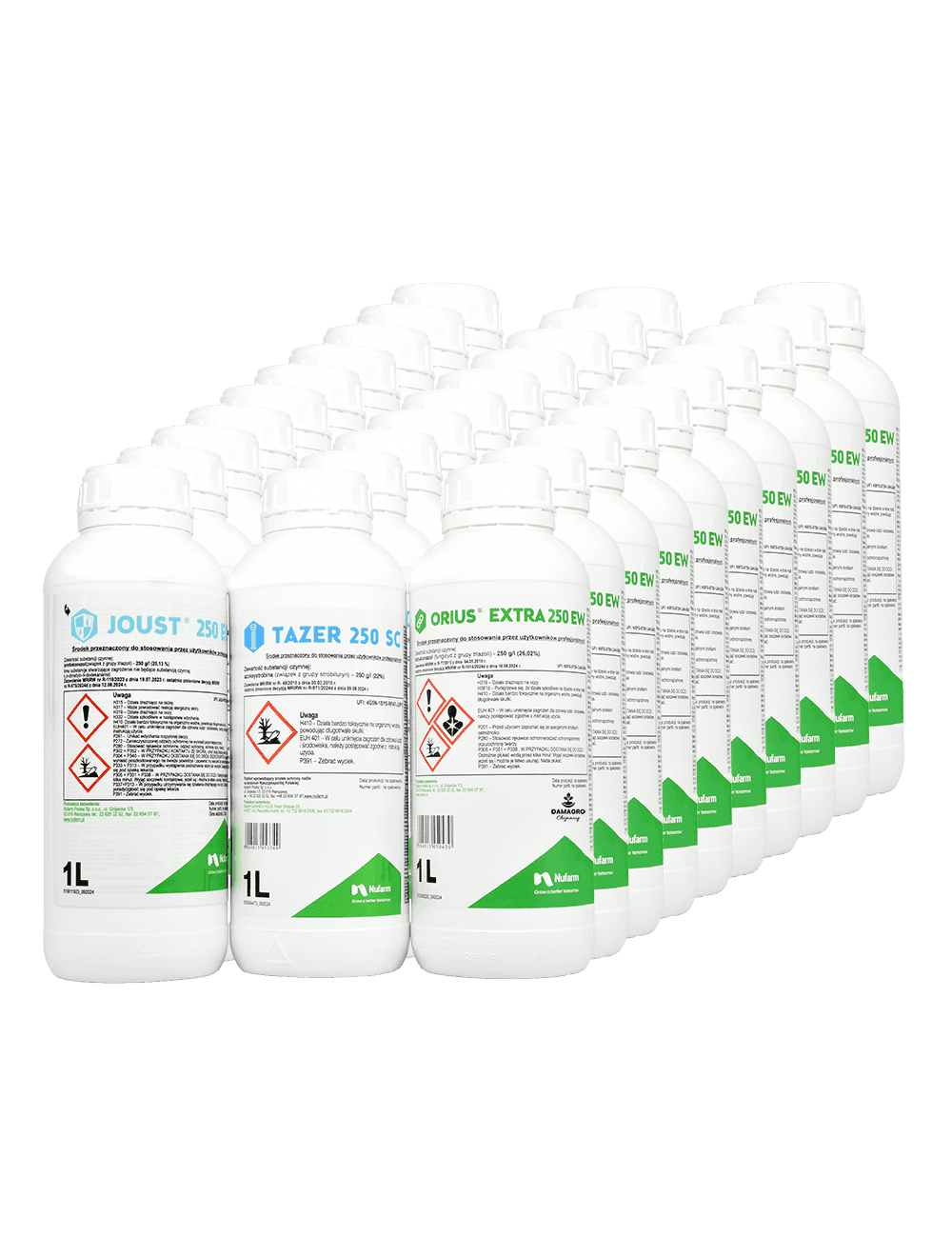
 SKU CH-13160
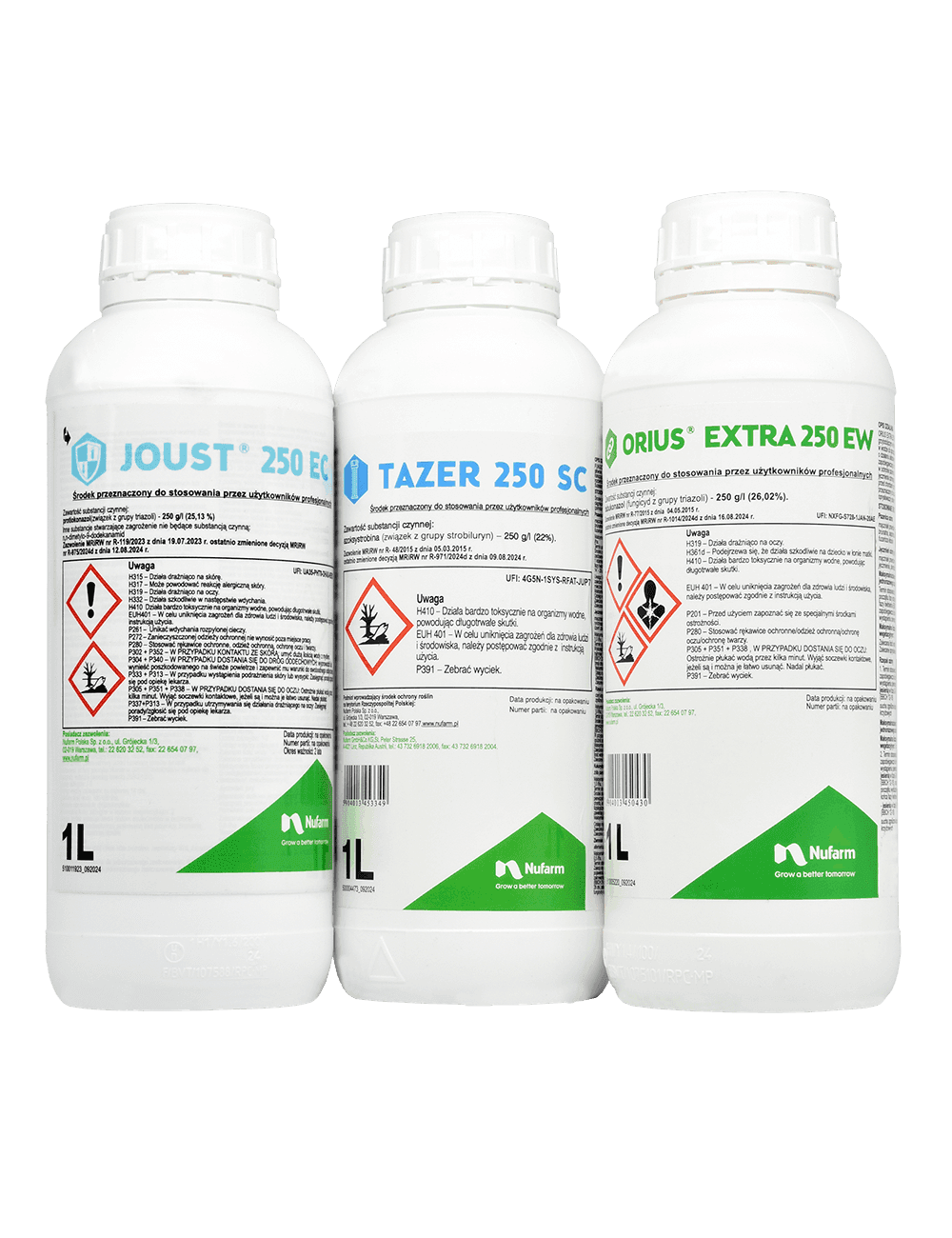
Jotazor Joust + Tazer + Orius Extra
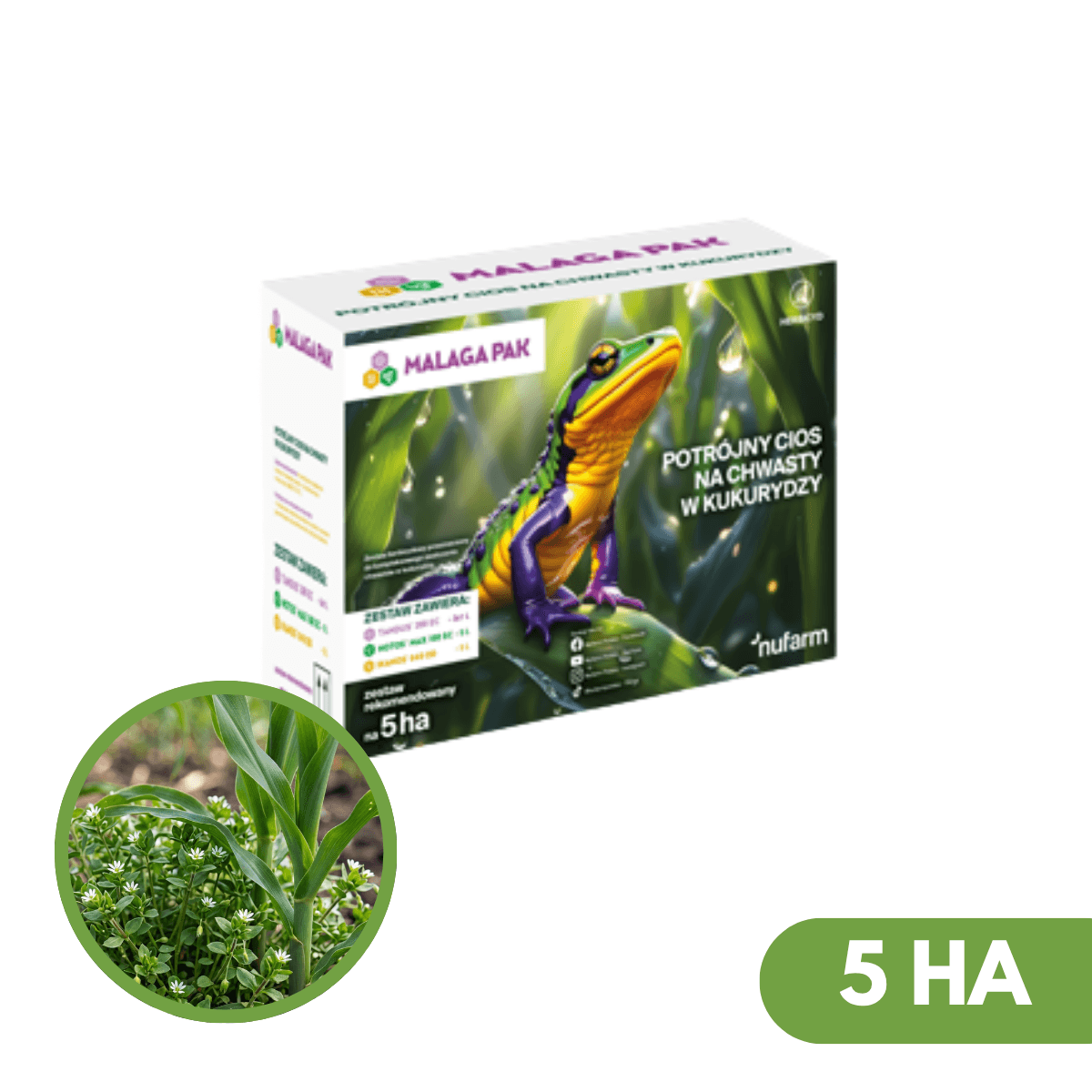
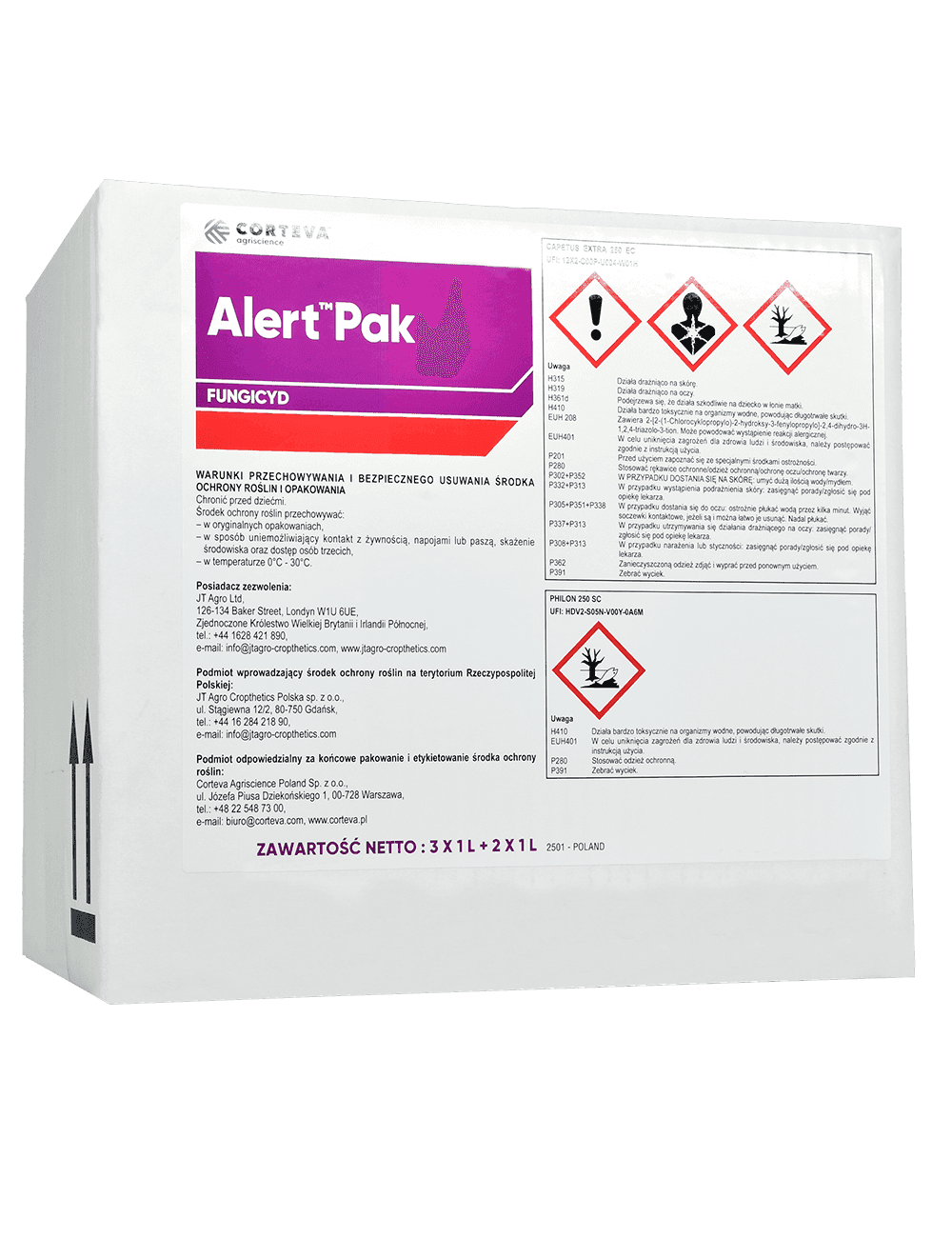
Jotazor is a comprehensive fungicide package, created from three different products that synergistically protect cereals. Thanks to the diversity of active substances, the package provides a broad spectrum of action, controlling many fungal diseases.
Description
JOTAZOR (JOUST + TAZER+ ORIUS EXTRA):
Jotazor is a fungicide package consisting of three products containing different active substances to provide even better protection of cereals. All products included in the set are characterised by a broad spectrum of action and advanced high-quality formulation.
Advantages of using JOTAZOR PACK:
- comprehensive solution in fungicide protection of cereals,
- contains three mutually complementary active substances,
- broad spectrum of action,
- high-quality advanced formulation.
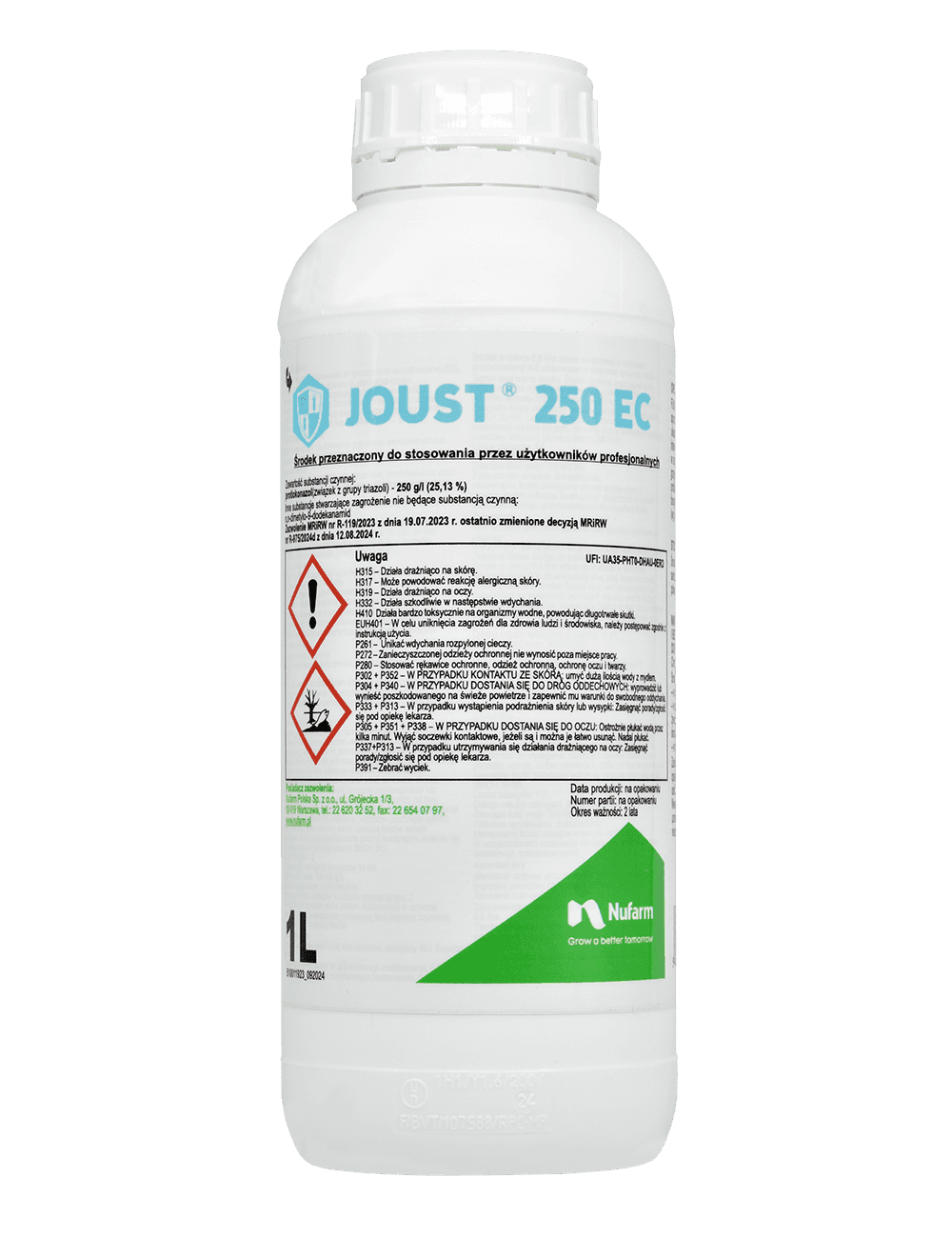
ACTION OF JOUST 250 EC:
Joust 250 EC is a fungicide in the form of a concentrate for preparing an emulsifiable concentrate (EC). The product contains prothioconazole - a well-known and valued active substance effective in fungicide protection. The product has systemic action and is intended for preventive, as well as curative and eradicative use in controlling diseases caused by fungi.
Advantages of using Joust 250 EC:
- contains prothioconazole - very effective in fungicide protection,
- wide range of application - registered for almost all cereal species as well as oilseed rape and mustard,
- flexible application timing in cereals and oilseed rape,
- contains advanced formulation technology that ensures better solubility and stability of the spray liquid.
JOUST 250 EC ACTIVE SUBSTANCE CONTENT:
prothioconazole (compound from the triazole group) - 250 g/l (25.13%)
JOUST 250 EC SCOPE OF APPLICATION, TIMING AND DOSES:
The product is intended for use with self-propelled or tractor-mounted field sprayers.
How to use Joust 250 EC:
Winter barley
net blotch of barley, barley rust, cereal rhynchosporium, powdery mildew of cereals and grasses (medium efficacy), leaf spots caused by Ramularia collo–cygnii (medium efficacy)
Recommended/maximum dose for single application: 0.6 l/ha
Application timing: Apply preventively or immediately after the first symptoms of diseases appear, from the beginning of stem elongation to the beginning of flowering (visible first anthers) (BBCH 30-61).
Number of treatments: 1-2
Interval between treatments: at least 14 days.
Recommended water volume: 100-400 l/ha
Recommended spraying: fine droplet.
Maximum number of treatments per growing season: 2
Winter wheat
powdery mildew of cereals and grasses, brown rust of wheat, septoria leaf blotch of wheat (medium efficacy), brown leaf spot (medium efficacy), fusarium head blight (medium efficacy)
Maximum dose for single application: 0.8 l/ha
Recommended dose for single application: 0.6-0.8 l/ha
The dose of 0.8 l/ha is recommended under forecasted and/or observed high disease pressure.
Application timing: Apply preventively or immediately after the first symptoms of diseases appear, from the beginning of stem elongation to the end of flowering (all florets have finished flowering, visible dried anthers) (BBCH 30-69).
To protect against fusarium head blight, apply from the beginning of heading (the tip of the inflorescence emerges from the sheath, the first spikelet visible) (BBCH 51).
Number of treatments: 1-2
Interval between treatments: at least 14 days.
Recommended water volume: 100-400 l/ha
Recommended spraying: fine droplet.
Maximum number of treatments per growing season: 2
Winter triticale
powdery mildew of cereals and grasses, brown rust, leaf septoria (medium efficacy), fusarium head blight (medium efficacy)
Maximum dose for single application: 0.8 l/ha
Recommended dose for single application: 0.6-0.8 l/ha
The dose of 0.8 l/ha is recommended under forecasted and/or observed high disease pressure.
Application timing: Apply preventively or immediately after the first symptoms of diseases appear, from the beginning of stem elongation to the end of flowering (all florets have finished flowering, visible dried anthers) (BBCH 30-69).
To protect against fusarium head blight, apply from the beginning of heading (the tip of the inflorescence emerges from the sheath, the first spikelet visible) (BBCH 51).
Number of treatments: 1-2
Interval between treatments: at least 14 days.
Recommended water volume: 100-400 l/ha
Recommended spraying: fine droplet.
Maximum number of treatments per growing season: 2
Winter rye
brown rust of rye, cereal rhynchosporium, septoria leaf blotch of wheat
Maximum dose for single application: 0.8 l/ha
Recommended dose for single application: 0.6-0.8 l/ha
The dose of 0.8 l/ha is recommended under forecasted and/or observed high disease pressure.
Application timing: Apply preventively or immediately after the first symptoms of diseases appear, from the beginning of stem elongation to the end of flowering (all florets have finished flowering, visible dried anthers) (BBCH 30-69).
Number of treatments: 1-2
Interval between treatments: at least 14 days.
Recommended water volume: 100-400 l/ha
Recommended spraying: fine droplet.
Maximum number of treatments per growing season: 2
Durum wheat
powdery mildew of cereals and grasses
Maximum dose for single application: 0.8 l/ha
Recommended dose for single application: 0.6-0.8 l/ha
The dose of 0.8 l/ha is recommended under forecasted and/or observed high disease pressure.
Application timing: Apply preventively or immediately after the first symptoms of diseases appear, from the beginning of stem elongation to the end of flowering (all florets have finished flowering, visible dried anthers) (BBCH 30-69).
Number of treatments: 1-2
Interval between treatments: at least 14 days.
Recommended water volume: 100-400 l/ha
Recommended spraying: fine droplet.
Maximum number of treatments per growing season: 2 (including uses listed in the minor uses section).
Spring barley
net blotch of barley, barley rust, cereal rhynchosporium, powdery mildew of cereals and grasses (medium efficacy), leaf spots caused by Ramularia collo–cygnii (medium efficacy)
Recommended/maximum dose for single application: 0.6 l/ha
Application timing: Apply preventively or immediately after the first symptoms of diseases appear, from the beginning of stem elongation to the beginning of flowering (visible first anthers) (BBCH 30-61).
Number of treatments: 1-2
Interval between treatments: at least 14 days.
Recommended water volume: 100-400 l/ha
Recommended spraying: fine droplet.
Maximum number of treatments per growing season: 2 (including uses listed later on the label).
Oats
Crown rust of oats
Recommended/maximum dose for single application: 0.6 l/ha
Application timing: Apply preventively or immediately after the first symptoms of diseases appear, from the beginning of stem elongation to the beginning of flowering (visible first anthers) (BBCH 30-61).
Number of treatments: 1-2
Interval between treatments: at least 14 days.
Recommended water volume: 100-400 l/ha
Recommended spraying: fine droplet.
Maximum number of treatments per growing season: 2
Winter oilseed rape
dark leaf spot (Alternaria), powdery mildew of brassicas, dry rot of brassicas, sclerotinia stem rot
Maximum dose for single application: 0.7 l/ha
Recommended dose for single application: 0.6-0.7 l/ha
The dose of 0.7 l/ha is recommended under forecasted and/or observed high disease pressure.
Apply according to one of the two application schemes below.
1. Scheme (two treatments – autumn and spring)
Application timing:
first treatment (autumn): apply from the 4-leaf stage to the 8-leaf stage (BBCH 14-18). Apply preventively or immediately after the first symptoms of diseases appear.
second treatment (spring): apply from the beginning of stem elongation to the end of flowering (BBCH 30-69). Apply preventively or immediately after the first symptoms of diseases appear.
To protect against sclerotinia stem rot, apply from the beginning of flowering – first open flowers (BBCH 60).
Number of treatments: 1-2
Interval between treatments: at least 90 days.
2. Scheme (two treatments in spring)
Application timing:
Apply preventively or immediately after the first symptoms of diseases appear, from the beginning of stem elongation to the end of flowering (BBCH 30-69).
To protect against sclerotinia stem rot, apply from the beginning of flowering – first open flowers (BBCH 60).
Number of treatments: 1-2
Interval between treatments: at least 14 days.
Recommended water volume: 100-400 l/ha
Recommended spraying: fine droplet.
Maximum number of treatments per growing season: 2 (1 treatment in autumn and 1 treatment in spring or 2 treatments in spring)
Pre-harvest interval for Joust 250 EC :
winter barley, spring barley, oats, winter wheat, spelt wheat, common wheat, emmer wheat, durum wheat, winter triticale, spring triticale, winter rye, spring rye – 35 days,
winter oilseed rape, spring oilseed rape, mustard, flax grown for seed – 56 days,
flax – not applicable
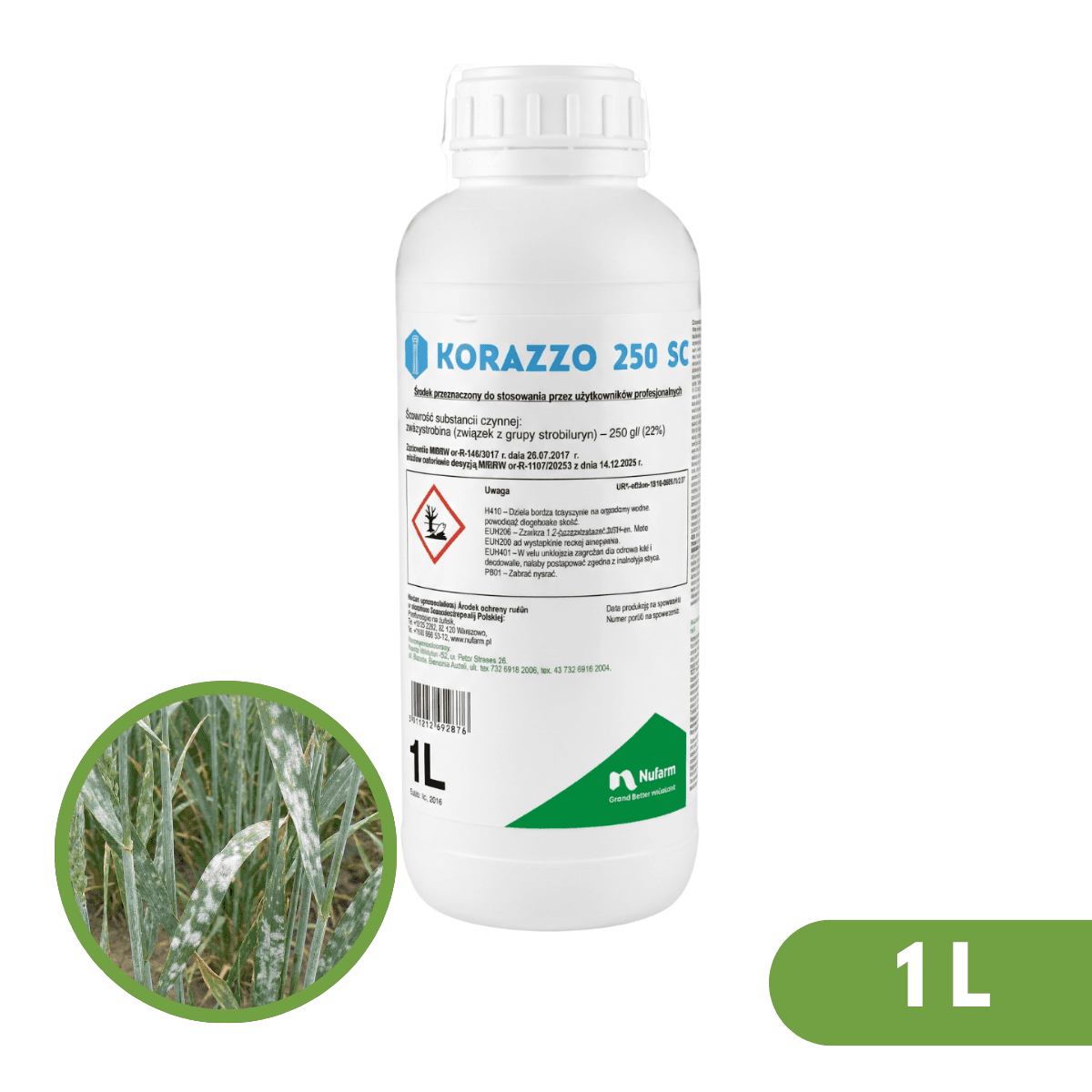
ACTION OF TAZER 250SC:
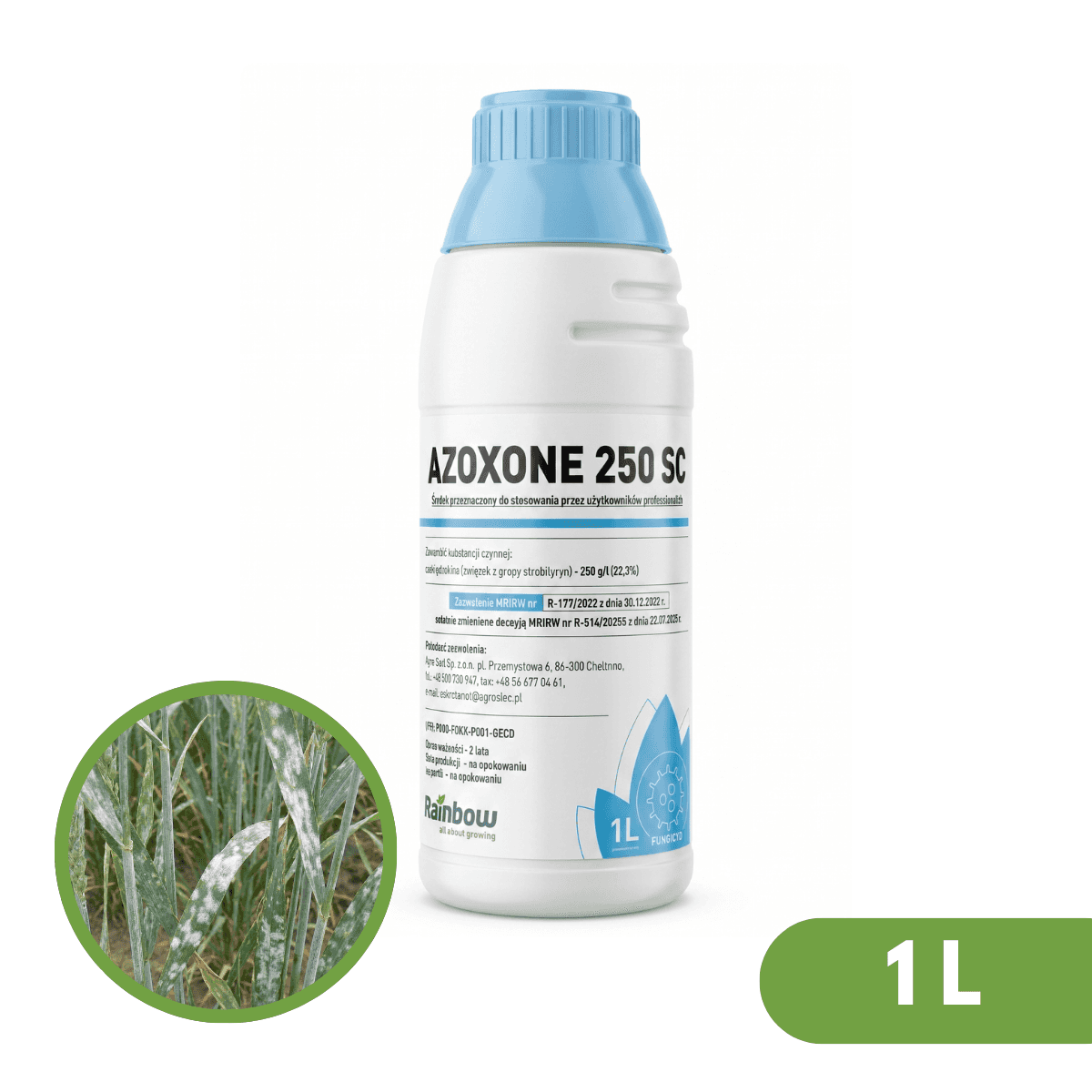
Tazer 250SC is a fungicide in a convenient form of a concentrated suspension concentrate for dilution with water. The product acts locally systemic and systemically and is mainly intended for preventive use in controlling fungal diseases in agricultural and vegetable crops.
TAZER 250 SC ACTIVE SUBSTANCE CONTENT:
azoxystrobin (compound from the strobilurin group) – 250 g/l (22%).
TAZER 250 SC SCOPE OF APPLICATION, TIMING AND DOSES:
The product is intended for use with field and hand sprayers (tomato under covers).
How to use Tazer 250SC:
Winter wheat
powdery mildew of cereals and grasses, brown leaf spot, brown rust of wheat, septoria leaf blotch, glume blotch, fusarium head blight
Maximum/recommended dose for single application: 1.0 l/ha.
Application timing:
Apply mainly preventively or immediately after observing the first symptoms of diseases, from the beginning of the stage when the first node is at least 1 cm above the tillering node to the end of flowering (BBCH 31-69). Perform 1-2 treatments at intervals of 14 - 28 days, depending on conditions and disease pressure.
Note: Under conditions favourable for glume blotch development, the recommended treatment timing can be extended to the milk ripeness stage of the grain. The pre-harvest interval determines the timing of the last treatment.
Maximum number of treatments per growing season: 2
Interval between treatments: at least 14-28 days.
Recommended water volume: 100-300 l/ha.
Recommended spraying: fine droplet.
Winter barley, spring barley
powdery mildew of cereals and grasses, net blotch of barley, cereal rhynchosporium, barley dwarf rust, fusarium head blight, black point of cereals.
Maximum/recommended dose for single application: 1.0 l/ha.
Application timing:
Perform 1-2 treatments from the beginning of the stage when the first node is at least 1 cm above the tillering node to the end of heading (BBCH 31-59), at intervals of 12 - 21 days, depending on conditions and disease pressure.
Maximum number of treatments per growing season: 2
Interval between treatments: at least 12-21 days.
Recommended water volume: 100-300 l/ha.
Recommended spraying: fine droplet.
Winter oilseed rape
dark leaf spot (Alternaria), grey mould, dry rot of brassicas, sclerotinia stem rot
Maximum/recommended dose for single application: 1.0 l/ha.
Application timing:
Apply preventively or immediately after the first symptoms of diseases appear, from the beginning to the end of flowering (BBCH 61-69).
If only dark leaf spot (Alternaria) occurs, the treatment can be delayed to later flowering stages (BBCH 66-69).
Maximum number of treatments per growing season: 1
Recommended water volume: 100-500 l/ha.
Adjust water volume to plant size and density.
Recommended spraying: fine droplet.
Maize
yellow leaf spot of maize, common leaf spot of maize
Maximum/recommended dose for single application: 1.0 l/ha.
Application timing:
Apply preventively or immediately after the first symptoms of diseases appear, from the beginning of the 9-leaf stage to the end of physiological maturity of kernels, when visible points at the base of the kernel contain about 60% dry matter (BBCH 39 – 87).
Maximum number of treatments per growing season: 2
Interval between treatments: at least 21-42 days
Recommended water volume: 100-400 l/ha.
Recommended spraying: fine droplet.
Potato
alternaria leaf spot
Maximum/recommended dose for single application: 0.5 l/ha.
Application timing:
It is recommended to spray potato plantations at the moment of the first disease symptoms, from the beginning of row closure to the beginning of leaf yellowing (BBCH 31-91). It is recommended to perform 2-3 treatments at intervals of 14-28 days, depending on conditions and disease pressure, alternating fungicides with different modes of action.
Maximum number of treatments per growing season: 3
Interval between treatments: at least 14-28 days
Recommended water volume: 100-400 l/ha.
Recommended spraying: fine droplet.
potato rhizoctonia
Maximum/recommended dose for single application: 3.0 l/ha
Application timing:
It is recommended to spray tubers in furrows during planting using a specialised sprayer mounted on the planter. It is recommended to use two spray nozzles per row, one directed at the seed tuber drop point, the other at the covering soil.
Maximum number of treatments per growing season: 1
Recommended water volume: 100-300 l/ha.
Recommended spraying: fine droplet.
Asparagus
asparagus rust, purple shoot spot
Maximum/recommended dose for single application: 1.0 l/ha
Application timing:
Spray twice, at intervals of 8-21 days, after harvest and before the end of the growing season.
Maximum number of treatments per growing season: 2
Interval between treatments: at least 8-21 days
Recommended water volume: 600-800 l/ha.
Recommended spraying: fine droplet.
Bean
bean anthracnose
Maximum/recommended dose for single application: 1.0 l/ha
Application timing:
Apply preventively or at the onset of the first disease symptoms, from the beginning of lateral shoot development to the end of the stage when 50% of pods reach typical length and pods begin to fill with seeds (BBCH 21 – 75). Treatments should be performed at intervals of 10-14 days, alternating fungicides with different modes of action. A maximum of 2 treatments per growing season is recommended.
Maximum number of treatments per growing season: 2
Interval between treatments: at least 10-14 days
Recommended water volume: 200-600 l/ha.
Recommended spraying: fine droplet.
Cauliflower, broccoli
dark leaf spot (Alternaria)
Maximum/recommended dose for single application: 1.0 l/ha
Application timing:
The first treatment should be applied preventively, at the beginning of cauliflower head development or immediately after the first disease symptoms appear; for broccoli – from the stage when the main shoot reaches 50% of the typical height for the variety to the end of the stage when the main shoot reaches the typical height for the variety (BBCH 35-39). Subsequent treatments should be applied as the crop threat increases. A maximum of 2 treatments per growing season is recommended at intervals of 8-12 days, alternating fungicides with different modes of action. To ensure even coverage of plants with spray liquid, the addition of an adjuvant is recommended.
Maximum number of treatments per growing season: 2
Interval between treatments: at least 8-12 days
Recommended water volume: 200-600 l/ha.
Recommended spraying: fine droplet.
Tomato grown under covers
potato late blight, powdery mildew of tomato, alternaria leaf spot of tomato
Maximum concentration for single application - 0.08% (80 ml/100 l water)
Recommended concentration for single application – 0.05-0.08% (50-80 ml/100 l water)
Application timing:
Apply from the beginning of inflorescence development to the end of the stage when 80% of fruits reach typical colour (BBCH 51 – 88). A maximum of 3 treatments per growing season is recommended at intervals of 8-12 days, alternating fungicides with different modes of action.
Note:
Do not apply the product in the early growth stage of tomato (up to 4 weeks after planting or up to 5 weeks after sowing) and on wet plants.
Maximum number of treatments per growing season: 3
Interval between treatments: at least 8-12 days.
Recommended water volume: 600-1200 l/ha.
Adjust water volume to plant height:
− 60 l/1000m2 for tomatoes up to 50 cm tall
− 90 l/1000m2 for tomatoes between 50 and 125 cm tall
− 120 l/1000m2 for tomatoes taller than 125 cm
Recommended spraying: fine droplet.
Pre-harvest interval for Tazer 250SC :
winter wheat, winter barley, spring barley - 35 days,
winter oilseed rape- 21 days,
maize – not applicable,
potato- foliar spray – 7 days,
potato- in-furrow spray – not applicable,
asparagus – not applicable,
bean – 7 days,
cauliflower, broccoli- 14 days,
tomato - 3 days.
ACTION OF ORIUS EXTRA 250EW:
Orius Extra 250EW is a fungicide in the form of an oil-in-water emulsion for preparing an emulsifiable concentrate. The product acts systemically and is used preventively and curatively in the protection of winter wheat, spring barley, winter barley and winter oilseed rape against fungal diseases. The product has a beneficial effect on plant development - its use increases yield and reduces lodging.
ORIUS EXTRA 250EW ACTIVE SUBSTANCE CONTENT:
tebuconazole (fungicide from the triazole group) – 250 g/l (26.02%).
ORIUS EXTRA 250 EW SCOPE OF APPLICATION, TIMING AND DOSES:
The product is intended for use with field sprayers.
How to use Orius Extra 250EW :
Winter wheat
powdery mildew of cereals and grasses, brown rust, septoria leaf blotch, fusarium head blight
Winter barley, spring barley
powdery mildew of cereals and grasses, barley rust, net blotch of barley
Maximum/recommended dose for single application: 1.0 l/ha.
Application timing: Apply from the beginning of stem elongation to the end of flowering (BBCH 30-69), preventively or immediately after the first symptoms of diseases appear.
Maximum number of treatments per growing season: 1.
Recommended water volume: 200-400 l/ha.
Recommended spraying: fine droplet.
Winter oilseed rape
Application timing:
Apply preventively or immediately after the first symptoms of diseases appear in autumn at the 2-8 leaf stage of oilseed rape (BBCH 12-18)
dry rot of brassicas, dark leaf spot (Alternaria)
Maximum/recommended dose for single application: 1.0 l/ha.
Maximum number of treatments per growing season: 1 every 2 years.
Application timing:
Apply preventively or immediately after the first symptoms of diseases appear in autumn at the 2-8 leaf stage of oilseed rape (BBCH 12-18), and then in spring from the beginning of main shoot elongation to the end of flowering (BBCH 30-69) in autumn at the 2-8 leaf stage of oilseed rape (BBCH 12-18)
dry rot of brassicas, dark leaf spot (Alternaria)
in spring, at the main shoot growth stage (BBCH 30-39) dry rot of brassicas, dark leaf spot (Alternaria) or in spring from the yellow bud stage to the first petal fall stage (BBCH 59-69) grey mould, sclerotinia stem rot, dark leaf spot (Alternaria)
Maximum/recommended dose for single application: 1.0 l/ha.
Maximum number of treatments per growing season: 2 (1 treatment in autumn and 1 treatment in spring) every 3 years.
Recommended water volume: 100 - 400 l/ha.
Recommended spraying: fine droplet.
Pre-harvest interval for Orius Extra 250EW:
wheat, barley - not applicable
oilseed rape - 56 days