 SKU CH-11709
Chamane 250 SC
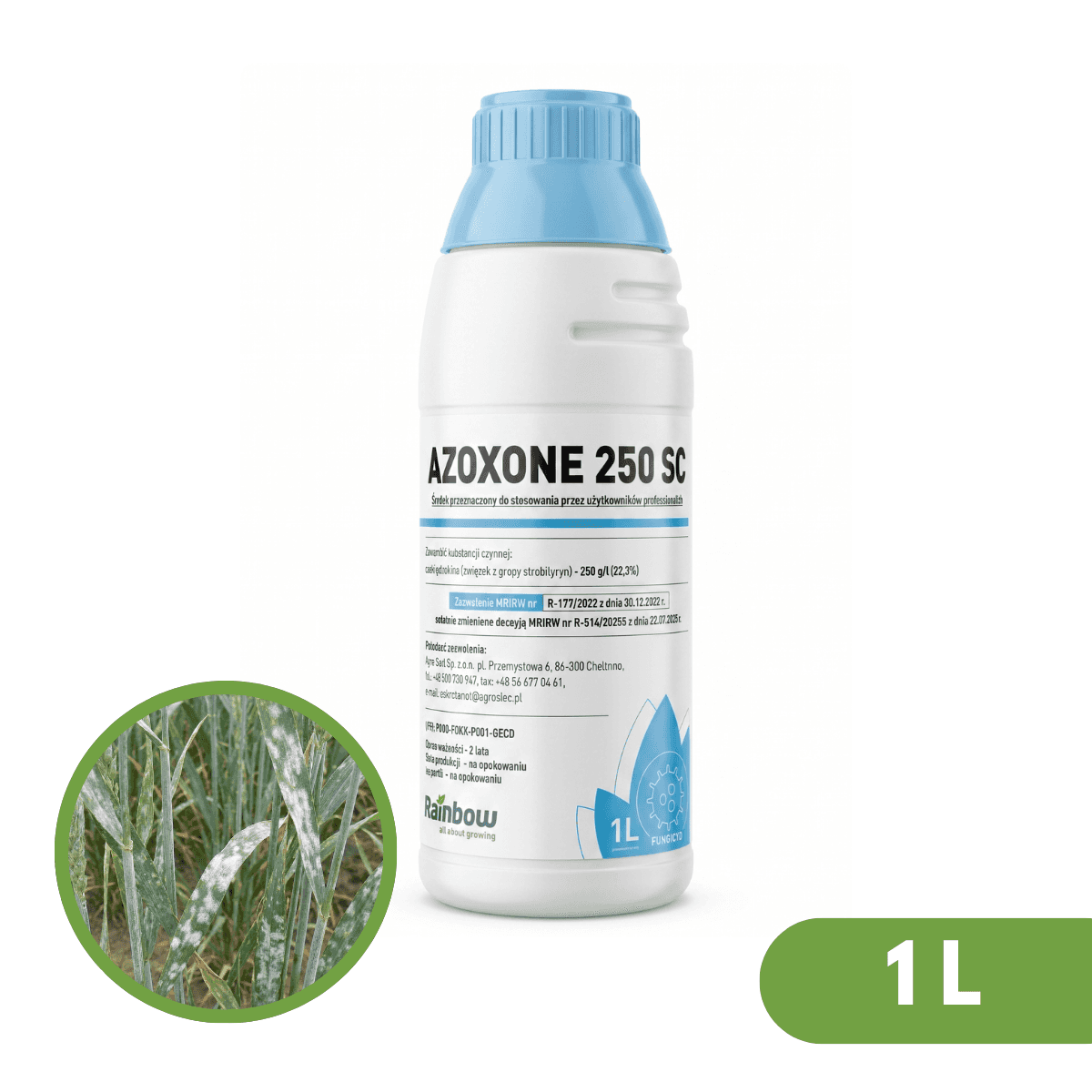
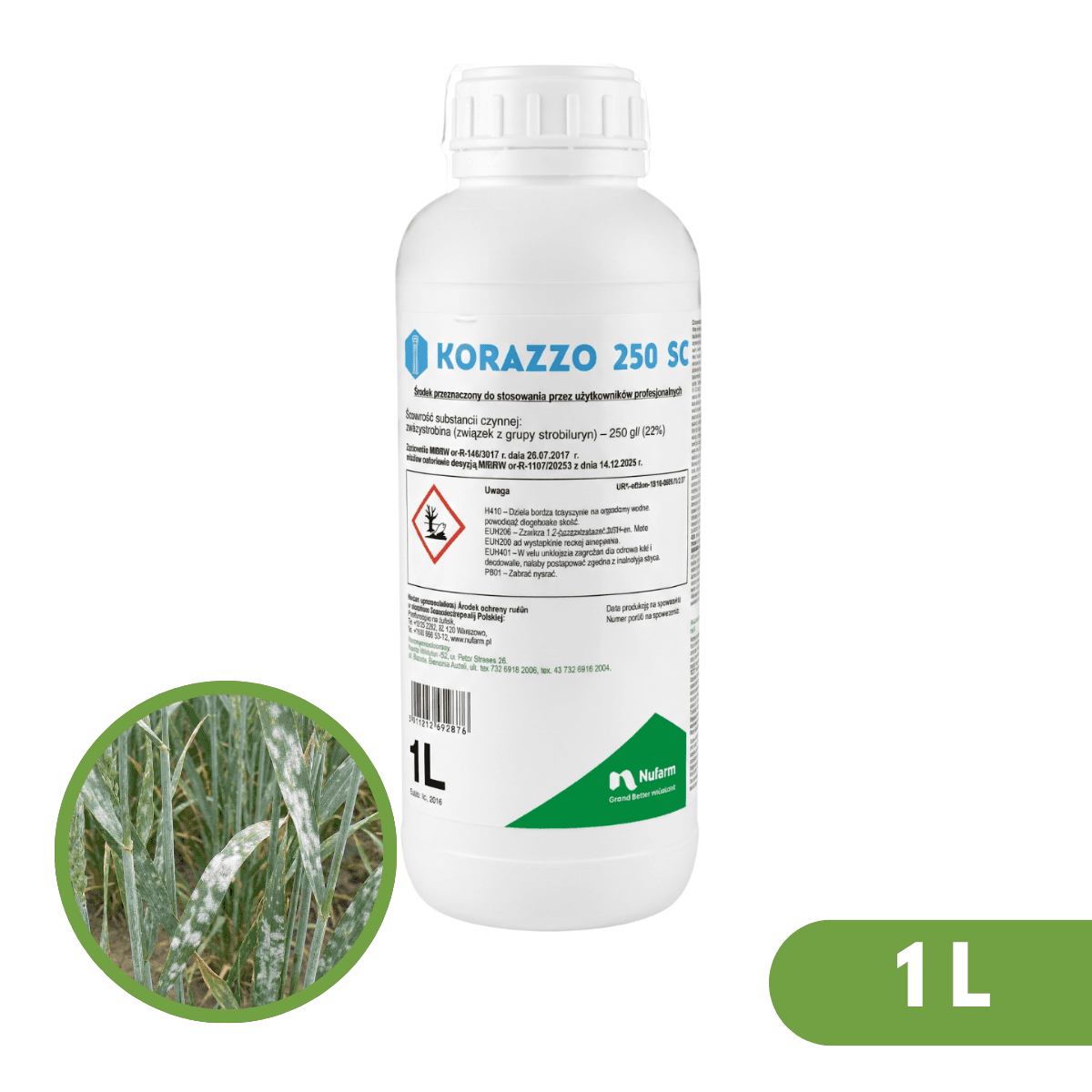
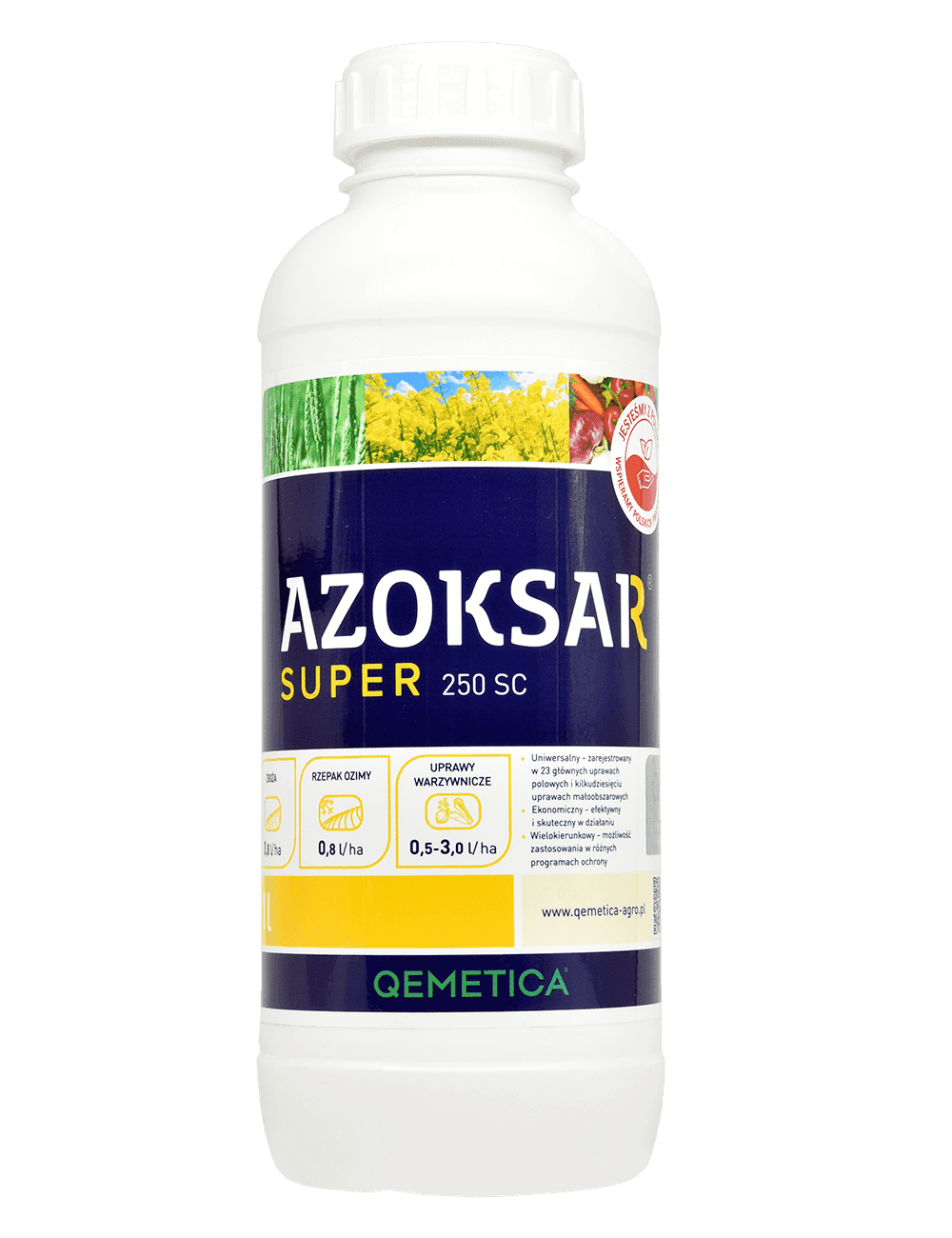
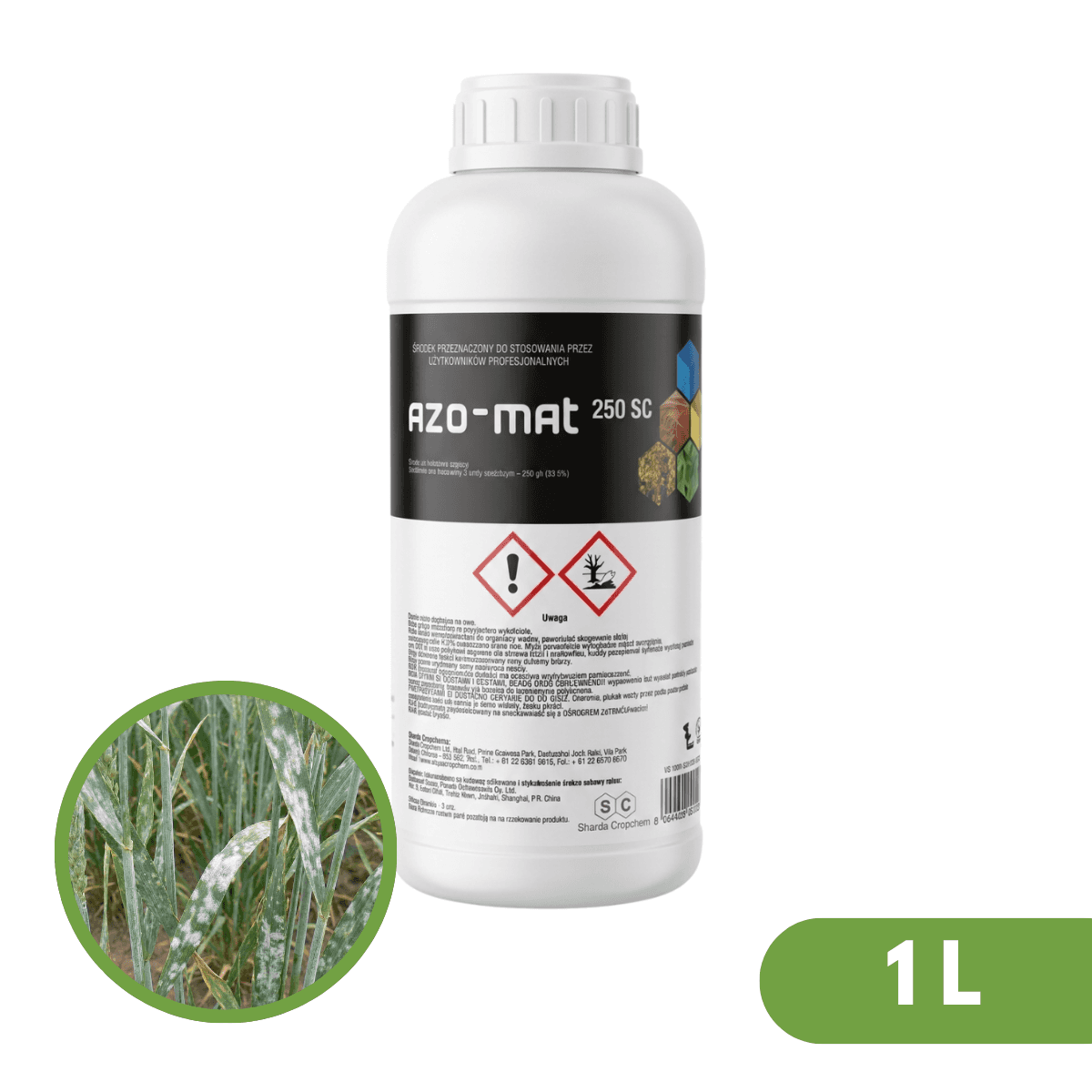
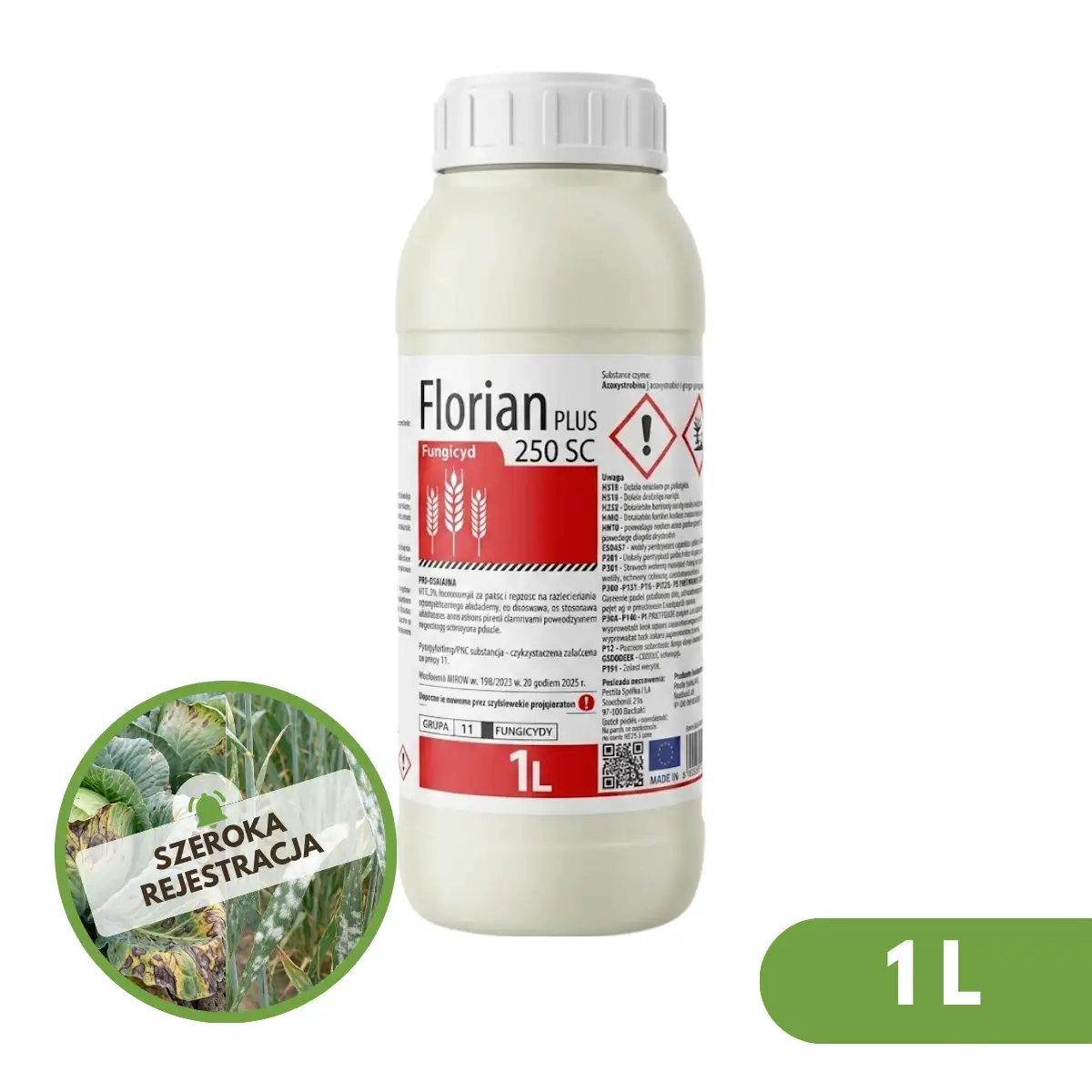
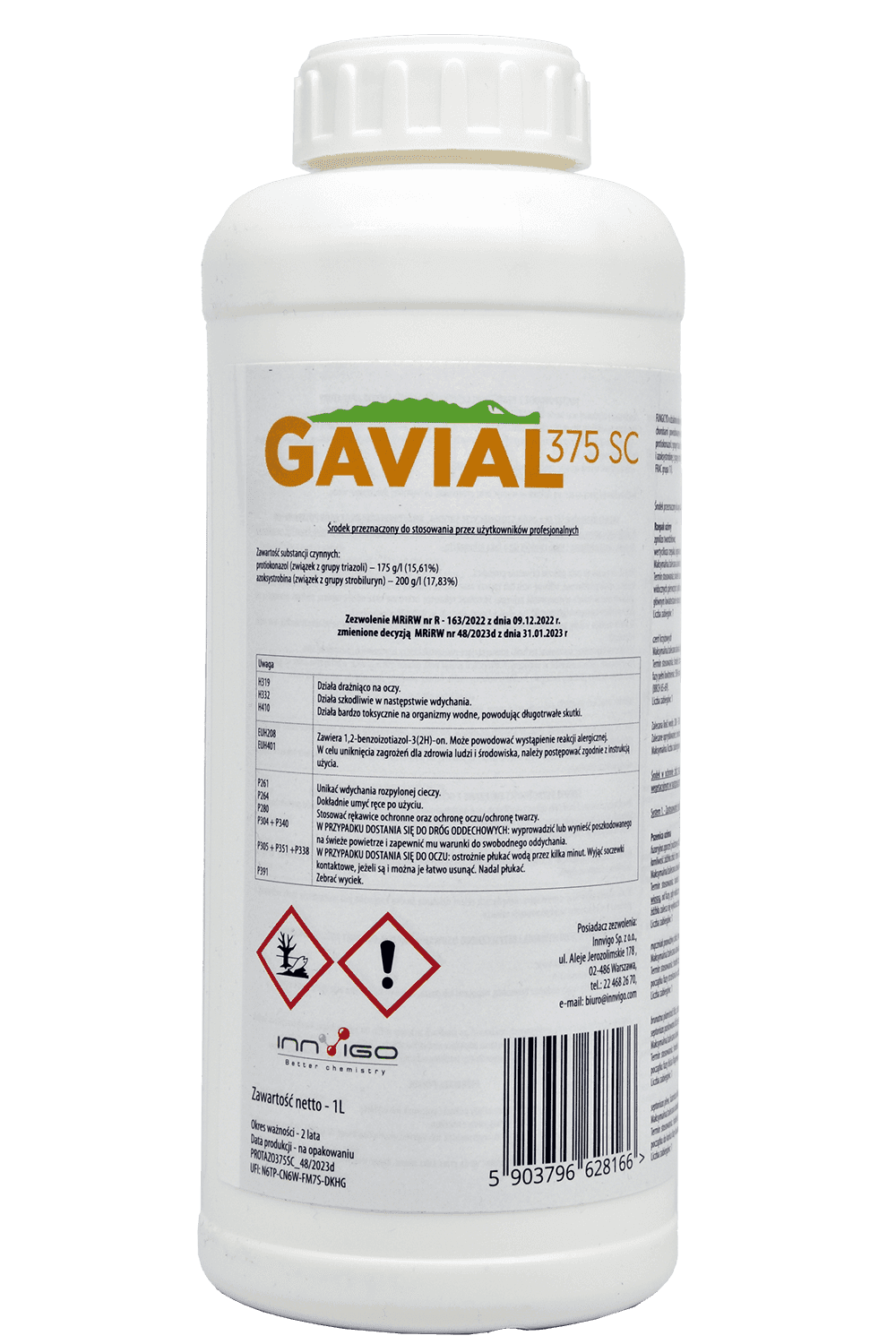
Chamane 250 SC is a fungicide in the form of a concentrate as a suspension concentrate for dilution with water. The product is mainly intended for preventive use, with penetrating and systemic action.
Description
How to use Chamane 250 SC?
Chamane 250 SC active substance:
azoxystrobin (compound from the strobilurin group) - 250 g/l (22.6%)
Action of Chamane 250 SC:
Chamane 250 SC is a fungicide in the form of a concentrate as a suspension concentrate for dilution with water. The fungicide acts penetratingly and systemically, mainly used preventively.
The product is intended for use with self-propelled or tractor-mounted field sprayers.
Dosage of Chamane 250 SC:
Winter wheat
Brown rust of wheat, yellow rust of cereals and grasses, septoria leaf blotch of wheat.
Maximum / recommended dose for single application: 1.0 l/ha
Application timing: The product should be applied mainly preventively or immediately after the first symptoms of diseases appear, from the beginning of the first node stage (when the first node is at least 1 cm above the tillering node) to the end of flowering stage (BBCH 31-69).
Maximum number of treatments per growing season: 2
Interval between treatments: at least 14 days.
Recommended water volume: 200-300 l/ha
Adjust water volume according to plant size and density.
Recommended spraying: fine droplet.
Winter triticale
Brown rust
Maximum / recommended dose for single application: 1.0 l/ha
Application timing: The product should be applied mainly preventively or immediately after the first symptoms of the disease appear, from the beginning of the first node stage (when the first node is at least 1 cm above the tillering node) to the end of flowering stage (BBCH 31-69).
Maximum number of treatments per growing season: 2
Interval between treatments: at least 14 days.
Recommended water volume: 200-300 l/ha
Adjust water volume according to plant size and density.
Recommended spraying: fine droplet.
Winter rye
Brown rust of rye
Maximum / recommended dose for single application: 1.0 l/ha
Application timing: The product should be applied mainly preventively or immediately after the first symptoms of the disease appear, from the beginning of the first node stage (when the first node is at least 1 cm above the tillering node) to the end of flowering stage (BBCH 31-69).
Maximum number of treatments per growing season: 2
Interval between treatments: at least 14 days.
Recommended water volume: 200-300 l/ha
Adjust water volume according to plant size and density.
Recommended spraying: fine droplet.
Winter barley
Net blotch of barley (medium control level)
Maximum / recommended dose for single application: 1.0 l/ha
Application timing: The product should be applied mainly preventively or immediately after the first symptoms of the disease appear, from the beginning of the first node stage (when the first node is at least 1 cm above the tillering node) to the end of heading stage (BBCH 31-59)
Maximum number of treatments per growing season: 2
Interval between treatments: at least 14 days.
Recommended water volume: 200-300 l/ha
Adjust water volume according to plant size and density.
Recommended spraying: fine droplet.
Winter oilseed rape
Sclerotinia stem rot
Maximum / recommended dose for single application: 1.0 l/ha
Application timing: Apply preventively, from the beginning to the end of flowering stage (BBCH 60-69).
Maximum number of treatments per growing season: 1
Recommended water volume: 200-300 l/ha
Adjust water volume according to plant size and density.
Recommended spraying: fine droplet.
Potato
Potato rhizoctonia (limitation of occurrence)
Maximum / recommended dose for single application: 3.0 l/ha
Application timing: Apply as a band spray to the soil during tuber planting, using a specialist sprayer mounted on the planter. It is recommended to use two spray nozzles per row, one directed at the tuber drop point and the other at the covering soil. Avoid direct spraying of tubers to prevent delaying their germination and emergence.
Maximum number of treatments per growing season: 1
Recommended water volume: 100-300 l/ha
Recommended spraying: fine droplet.
USE OF THE PLANT PROTECTION PRODUCT IN SMALL-SCALE CROPS AND APPLICATIONS
The user alone is responsible for the effectiveness and phytotoxicity of the plant protection product used in small-scale crops.
Common pea grown for dry seeds, green shelled pea grown for fresh seeds, common fodder pea (syn peluszka)
Ascochyta blight of pea (ascochyta spot of pea)
When used for control of ascochyta blight of pea, some control of grey mould and septoria may also be achieved.
Maximum / recommended dose for single application: 1.0 l/ha.
Application timing: Apply after the first signs of infection appear, or when predictive assessment indicates conditions favourable for disease development, described in words (BBCH 13-69).
Maximum number of treatments per growing season: 2
Interval between treatments: at least 14 days
A second application may be required if disease pressure remains high.
Recommended water volume: 200-300 l/ha.
Recommended spraying: fine droplet.