Limocide (orange oil) - natural fungicide, insecticide and acaricide
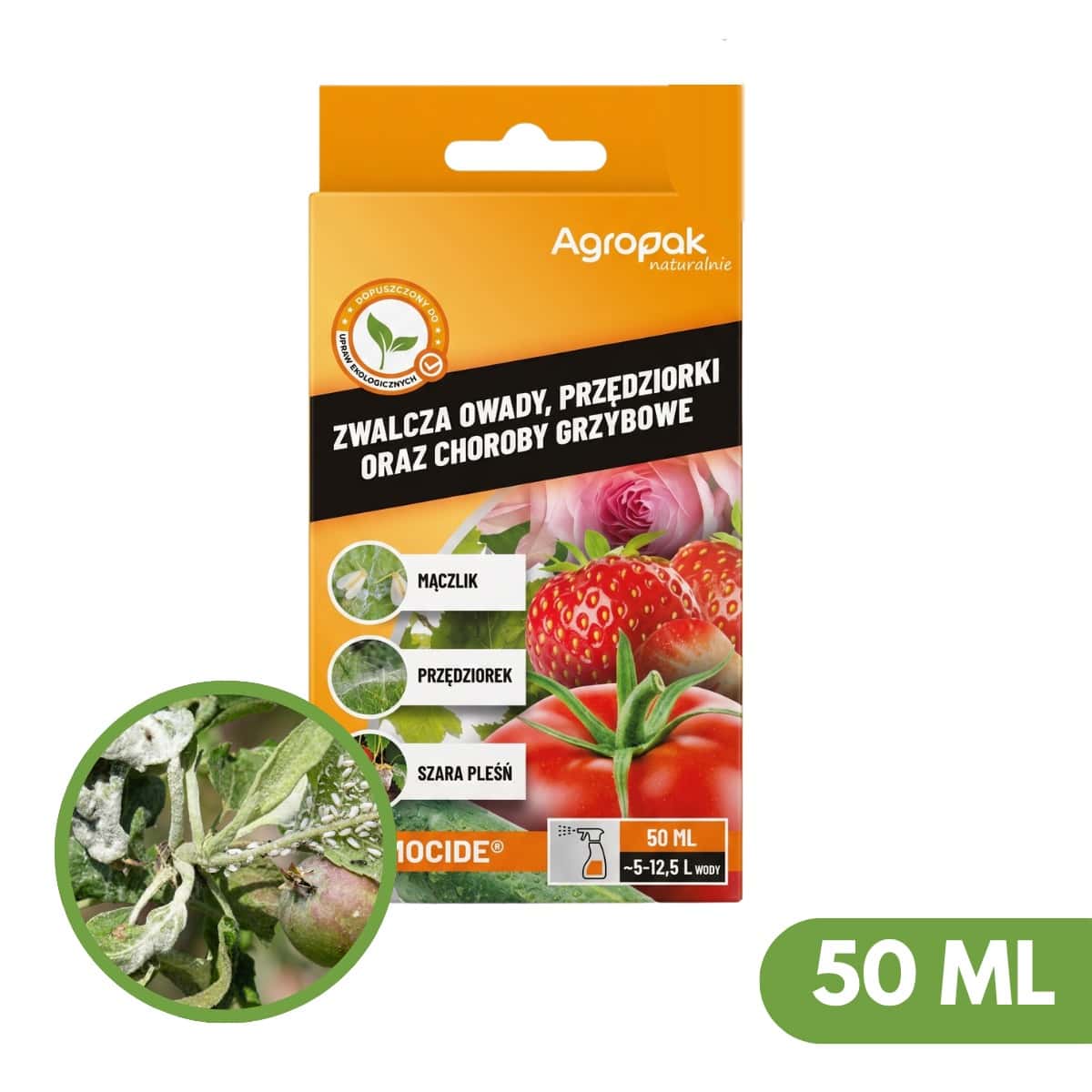
Limocide is a natural fungicide, insecticide and acaricide with contact action, available as a microemulsion (ME). It works by drying out the bodies of pests and the mycelium of pathogens, leaving no residues. It is safe for beneficial organisms.
Description
Limocide natural fungicide, insecticide and acaricide with contact action.
What are the benefits of using Limocide?
- mechanical action – dries out the bodies of pests and the mycelium of pathogens,
- no residues,
- applicable in conventional, integrated and organic protection programmes,
- a partner in combating agrochemical resistance,
- safe for beneficial organisms.
Limocide is an insecticide, acaricide and fungicide in a ready-to-use microemulsion (ME) form with contact action, designed to control soft-bodied pests such as whiteflies, thrips, leafhoppers, mealybugs, etc., as well as mites.
Its fungicidal effect is based on drying the cell walls of mycelium and spores.
Practical recommendations:
- Apply to dry plants, after dew has evaporated (to avoid reducing the concentration of the solution on the plant).
- Use in early developmental stages of pests or fungi to interrupt their life cycle. Best effectiveness is on eggs and larvae, but it also works on soft-bodied adults such as mealybugs, thrips, whiteflies, etc.
- LIMOCIDE is a very good wetting agent and does not need to be mixed with an adjuvant. Easily mixes with most plant protection products e.g. abamectin. Do not mix or use with sulphur products (especially during hot weather).
In which crops can Limocide be used?
- gherkin cucumber,
- courgette,
- lettuce,
- melon,
- leaf parsley,
- strawberry,
- rose,
- tomato,
- pear tree, Asian pear tree,
- Asian pear tree,
- pear tree,
- peach,
- carrot,
- chicory,
- Chinese cabbage,
- white head cabbage,
- Savoy cabbage,
- white head cabbage,
- cucumber,
- broad bean, bean, pea, chickpea, lentil,
- onion
- leek
- sweet pepper, tomato
- actinidia
- apple tree
- raspberry
- turnip
- black currant
- salsify
- grapevine
- tarragon
- herbal plants
- hop
- tobacco
- ornamental trees and shrubs
- flowers, ornamental plants
What active substance does Limocide contain?
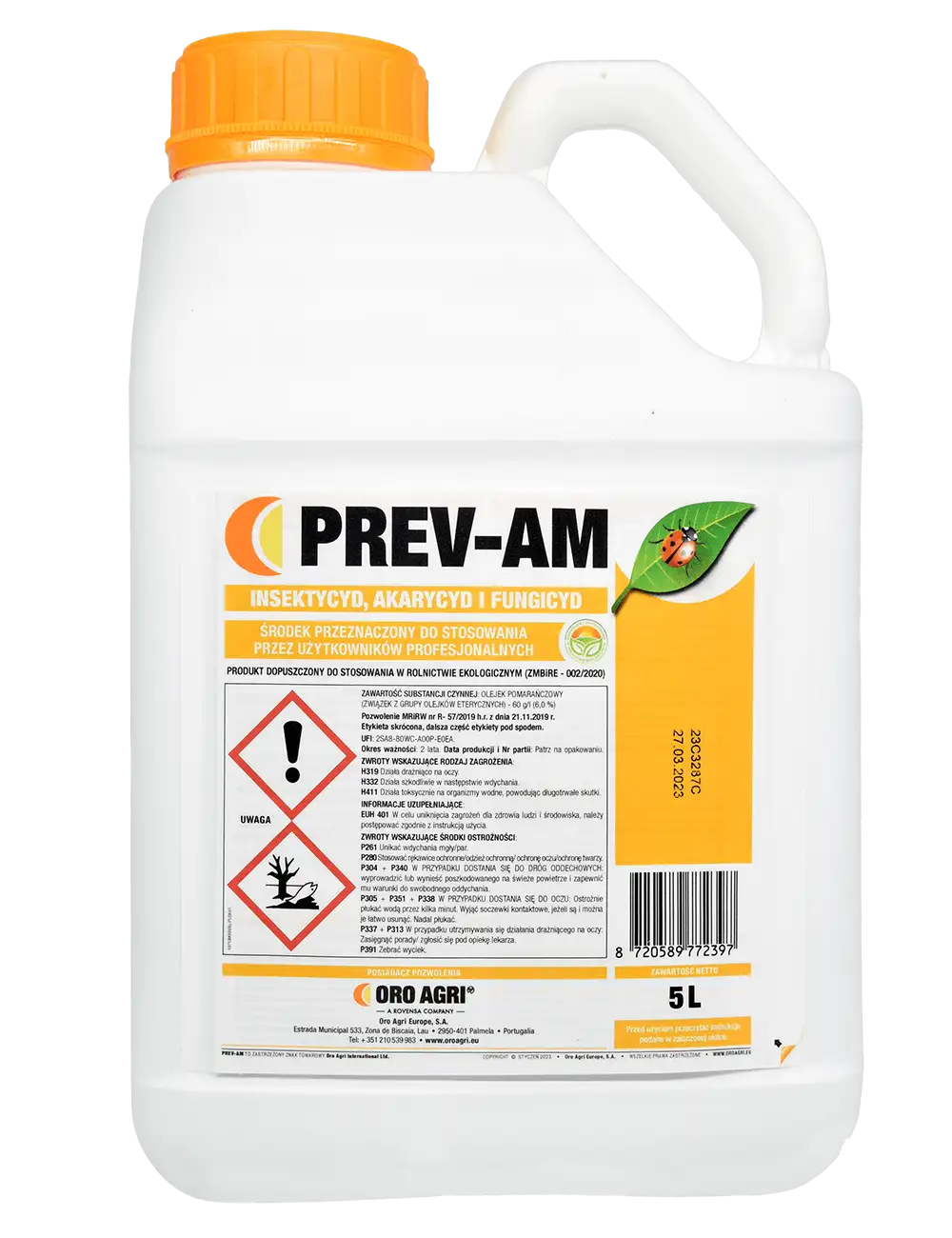
orange oil (a compound from the essential oils group) – 60 g/l
For more information on using Limocide, please visit the Fruit Growing Advisory, Vegetable Growing Advisory websites.
Warning! Plant protection products must be used safely. Before each use, read the information on the label and product details.
The buyer declares that they meet the conditions specified in Article 25 paragraph 3 point 5 of the Act of 8 March 2013 on plant protection products and have training in the use of plant protection products in the case of products for professional users. Before each use, read the information on the label and product details. Pay attention to detailed risk indications. Follow the safety rules contained on the label. Plant protection products may only be purchased by adults and persons who have completed training and have the qualifications required for persons purchasing plant protection products (Article 28 of the Act on plant protection products of 8 March 2013 as amended). Plant protection products must be used in a way that does not pose a threat to human health, animals or the environment. The buyer of plant protection products must be sober. By using this offer, you declare that you meet the above conditions.
Application and dosage
|
Crop |
Pest control |
How to apply? Dosage |
When to apply? |
|---|---|---|---|
|
Apple tree |
Powdery mildew, mealybugs |
Maximum/recommended dose for single application: 2.8 l/ha |
Apply from the 2-leaf stage to the stage when most flowers with petals form a concave cluster (BBCH 12-59). |
|
Apple tree |
Leafhoppers |
Maximum/recommended dose for single application: 4.0 l/ha |
Apply from the stage when shoots reach typical length to the stage when most flowers with petals form a concave cluster (BBCH 40-59) and from the end of flowering to the stage when fruits are ripe for consumption (BBCH 69-89). |
|
Cucumber (under cover) |
Powdery mildew |
Maximum/recommended dose for single application: 8.0 l/ha. |
Apply from the 2-leaf stage to full maturity (BBCH 12-89). |
|
Cucumber (under cover) |
Whiteflies |
Maximum/recommended dose for single application: 4.0 l/ha. |
Apply from the 2-leaf stage to full maturity (BBCH 12-89). |
|
Gherkin cucumber (under cover) |
Powdery mildew |
Maximum/recommended dose for single application: 4.0 l/ha. |
Apply from the 2-leaf stage to full maturity (BBCH 12-89). |
|
Gherkin cucumber (under cover) |
Whiteflies |
Maximum/recommended dose for single application: 2.0 l/ha. |
Apply from the 2-leaf stage to full maturity (BBCH 12-89). |
|
Courgette (under cover) |
Powdery mildew |
Maximum/recommended dose for single application: 4.0 l/ha. |
Apply from the 2-leaf stage to the stage when fruits develop on individual shoots (BBCH 12-77). |
|
Lettuce (under cover) |
Powdery mildew, downy mildew |
Maximum/recommended dose for single application: 3.0 l/ha. |
Apply from the 2-leaf stage to the stage when first flower petals are visible (BBCH 12-59). |
|
Melon (under cover) |
Powdery mildew |
Maximum/recommended dose for single application: 8.0 l/ha. |
Apply from the 2-leaf stage to the stage when fruits develop on individual shoots (BBCH 12-77). |
|
Leaf parsley (under cover) |
Powdery mildew |
Maximum/recommended dose for single application: 1.8 l/ha. |
Apply from the 2-leaf stage to the end of the stage when first flower petals are visible, flowers still closed (BBCH 12-59). |
|
Strawberry (under cover) |
Powdery mildew |
Maximum/recommended dose for single application: 3.0 l/ha. |
Apply from the 2-leaf stage to the second harvest stage, most fruits coloured, late harvest (BBCH 12-89). |
|
Rose (under cover) |
Powdery mildew |
Maximum/recommended dose for single application: 6.0 l/ha. |
Apply from the 2-leaf stage to the end of flowering (BBCH 12-69). Interval between treatments: at least 7 days. |
|
Tomato (under cover) |
Whiteflies |
Maximum/recommended dose for single application: 2.0 l/ha. |
Apply from the 2-leaf stage to full maturity (BBCH 12-89). |
|
Pear tree, Asian pear tree (small-scale crops) |
Powdery mildew, mealybugs |
Maximum/recommended dose for single application: 2.8 l/ha. |
Powdery mildew: apply from the 2-leaf stage to the stage when most flowers with petals form a concave cluster (BBCH 12-59). Mealybugs: apply from the 2-leaf stage to the stage when most flowers with petals form a concave cluster (BBCH 12-59) and from the end of flowering to the stage when fruits are ripe for consumption (BBCH 69-89). |
|
Pear tree, Asian pear tree (small-scale crops) |
Leafhoppers |
Maximum/recommended dose for single application: 4.0 l/ha. |
Apply from the stage when shoots reach typical length to the stage when most flowers with petals form a concave cluster (BBCH 40-59) and from the end of flowering to the stage when fruits are ripe for consumption (BBCH 69-89). |
|
Peach (small-scale crops) |
Powdery mildew |
Maximum/recommended dose for single application: 6.0 l/ha. |
Apply from the inflorescence development stage to the stage when most flowers with petals form a concave cluster (BBCH 50-59) and from the end of flowering to the stage when fruits are ripe for consumption (BBCH 69-89). |
|
Carrot (small-scale crops) |
Powdery mildew |
Maximum/recommended dose for single application: 2.4 l/ha. |
Apply from the 2-leaf stage when first flower petals are visible, flowers still closed (BBCH 12-59). |
|
Chicory (small-scale crops) |
Powdery mildew |
Maximum/recommended dose for single application: 3.0 l/ha. |
Apply from the 2-leaf stage to the stage when first flower petals are visible (BBCH 12-59). |
|
Chinese cabbage, white head cabbage (field) |
Cabbage white butterfly |
Maximum/recommended dose for single application: 2.0 l/ha |
Apply from the 2-leaf stage to the stage when first flower petals are visible (BBCH 12-59). |
|
White head cabbage (field), Savoy cabbage (small-scale crops) |
Whiteflies |
Maximum/recommended dose for single application: 2.0 l/ha. |
Apply from the 2-leaf stage to the stage when first flower petals are visible (BBCH 12-59) and from the end of flowering to full maturity (BBCH 69-89). |
|
White head cabbage (field), Savoy cabbage (small-scale crops) |
Thrips |
Maximum/recommended dose for single application: 4.0 l/ha. |
Apply from the 2-leaf stage to the stage when first flower petals are visible (BBCH 12-59) and from the end of flowering to full maturity (BBCH 69-89). |
|
Cucumber (field) |
Powdery mildew |
Maximum/recommended dose for single application: 8.0 l/ha. |
Apply from the 2-leaf stage to full maturity (BBCH 12-89). |
|
Cucumber (field) |
Whiteflies |
Maximum/recommended dose for single application: 4.0 l/ha. |
Apply from the 2-leaf stage to full maturity (BBCH 12-89). |
|
Gherkin cucumber (field) |
Powdery mildew |
Maximum/recommended dose for single application: 4.0 l/ha. |
Apply from the 2-leaf stage to full maturity (BBCH 12-89). |
|
Gherkin cucumber (field) |
Whiteflies |
Maximum/recommended dose for single application: 2.0 l/ha. |
Apply from the 2-leaf stage to full maturity (BBCH 12-89). |
|
Courgette (open field) |
Powdery mildew |
Maximum/recommended dose for single application: 4.0 l/ha. |
Apply from the 2-leaf stage to the stage when fruits develop on individual shoots (BBCH 12-77). |
|
Lettuce (field) |
Powdery mildew, downy mildew |
Maximum/recommended dose for single application: 3.0 l/ha. |
Apply from the 2-leaf stage to the stage when first flower petals are visible (BBCH 12-59). |
|
Lettuce (field) |
Whiteflies |
Maximum/recommended dose for single application: 2.0 l/ha. |
Apply from the 2-leaf stage to full maturity (BBCH 12-89). |
|
Lettuce (under cover) |
Whiteflies |
Maximum/recommended dose for single application: 2.0 l/ha. |
Apply from the 2-leaf stage to full maturity (BBCH 12-89). |
|
Raspberry (small-scale crops) |
Powdery mildew, leafhoppers, mealybugs |
Maximum/recommended dose for single application: 2.4 l/ha. |
Powdery mildew: apply from the 2-leaf stage to the end of inflorescence development (BBCH 12-59) and from the end of flowering to the stage when 70% of fruits have formed (BBCH 69-77). Leafhoppers, mealybugs: apply from the stage when shoots reach 90% of typical length to the end of inflorescence development (BBCH 40-59) and from the end of flowering to the beginning of fruit drop (BBCH 69-89). |
|
Raspberry (small-scale crops) |
Spider mites, gall mites |
Maximum/recommended dose for single application: 2.0 l/ha. |
Apply from the stage when shoots reach 90% of typical length to the end of inflorescence development (BBCH 40-59) and from the end of flowering to the beginning of fruit drop (BBCH 69-89). |
|
Melon (field) |
Powdery mildew, thrips |
Maximum/recommended dose for single application: 8.0 l/ha. |
Powdery mildew: apply from the 2-leaf stage to the stage when fruits develop on individual shoots (BBCH 12-77). Thrips: apply from the 2-leaf stage to the end of lateral shoot development (BBCH 12-49). |
|
Melon (under cover) |
Whiteflies |
Maximum/recommended dose for single application: 2.0 l/ha. |
Apply from the 2-leaf stage to full maturity (BBCH 12-89). |
|
Melon (under cover) |
Thrips |
Maximum/recommended dose for single application: 8.0 l/ha. |
Apply from the 2-leaf stage to the end of lateral shoot development (BBCH 12-49). |
|
Turnip (small-scale crops) |
Downy mildew |
Maximum/recommended dose for single application: 3.2 l/ha. |
Apply from the 2-leaf stage to the end of lateral shoot development (BBCH 12-49). |
|
Leaf parsley (field) |
Powdery mildew |
Maximum/recommended dose for single application: 1.8 l/ha |
Apply from the 2-leaf stage when first flower petals are visible, flowers still closed (BBCH 12-59). |
|
Black currant (small-scale crops) |
American gooseberry mildew, leafhoppers, mealybugs |
Maximum/recommended dose for single application: 2.4 l/ha. |
American gooseberry mildew: apply from the 2-leaf stage to the end of inflorescence development (BBCH 12-59) and from the end of flowering to the stage when 70% of fruits have formed (BBCH 69-77). Leafhoppers, mealybugs: apply from the stage when shoots reach 90% of typical length to the end of inflorescence development (BBCH 40-59) and from the end of flowering to the beginning of fruit drop (BBCH 69-89). |
|
Black currant (small-scale crops) |
Hop spider mite, gall mites |
Maximum/recommended dose for single application: 2.0 l/ha. |
Apply until the end of inflorescence development (BBCH 12-59) and from the end of flowering to the beginning of fruit drop (BBCH 69-89). |
|
Salsify (small-scale crops) |
Powdery mildew |
Maximum/recommended dose for single application: 3.0 l/ha. |
Apply from the 2-leaf stage to the end of inflorescence development (BBCH 12-59). |
|
Strawberry (field) |
Powdery mildew, grey mould |
Maximum/recommended dose for single application: 3.0 l/ha. |
Powdery mildew: apply from the 2-leaf stage to the stage when most flowers with petals form a concave cluster (BBCH 12-59) and from the end of flowering to the second harvest, most fruits coloured, late harvest (BBCH 69-89). |
|
Strawberry (field), strawberry (under cover) |
Thrips, spider mites |
Maximum/recommended dose for single application: 4.0 l/ha. |
Thrips: apply from the 2-leaf stage to the stage when most flowers with petals form a concave cluster (BBCH 12-59). Spider mites: apply from the 2-leaf stage to the second harvest, most fruits coloured, late harvest (BBCH 12-89). |
|
Grapevine (small-scale crops) |
Downy mildew of grapevine, powdery mildew, leafhoppers, thrips |
Maximum/recommended dose for single application: 1.6 l/ha. |
Downy mildew of grapevine, powdery mildew: apply from the 2-leaf stage to the end of inflorescence development (BBCH 12-57). Leafhoppers: apply from the stage when leaves are developed to the stage of berries ripe for harvest (BBCH 40-89). Thrips: apply from the 2-leaf stage to the stage of berry ripening for harvest (BBCH 12-89). |
|
Grapevine (small-scale crops) |
Grapevine mildew |
Maximum/recommended dose for single application: 2.0 l/ha. |
Apply from the stage when leaves are developed to the stage of berries ripe for harvest (BBCH 40-89). |
|
Herbal plants (for infusions), tarragon (small-scale crops) |
Powdery mildew |
Maximum/recommended dose for single application: 3.0 l/ha. |
Apply from the 2-leaf stage to the end of inflorescence development (BBCH 12-59). |
|
Hop (small-scale crops) |
Powdery mildew |
Maximum/recommended dose for single application: 6.0 l/ha. |
Apply from the end of inflorescence development (BBCH 40-55) and from the end of flowering to the stage of mature cones (BBCH 69-89). |
|
Tobacco (small-scale crops) |
Powdery mildew, downy mildew |
Maximum/recommended dose for single application: 3.0 l/ha. |
Apply from the 2-leaf stage to the end of inflorescence development (BBCH 12-59) and from the end of flowering to the stage when 90% of seed capsules have reached typical size (BBCH 69-77). |
|
Tobacco (small-scale crops) |
Whiteflies |
Maximum/recommended dose for single application: 2.0 l/ha. |
Apply from the 2-leaf stage to the stage when all leaves intended for harvest are mature (BBCH 12-49). |
|
Tobacco (small-scale crops) |
Thrips |
Maximum/recommended dose for single application: 3.2 l/ha. |
Apply from the 2-leaf stage to the stage when all leaves intended for harvest are mature (BBCH 12-49). |
|
Ornamental trees and shrubs (small-scale crops) |
Powdery mildew |
Maximum/recommended dose for single application: 6.0 l/ha. |
Apply from the end of inflorescence development (BBCH 12-59) and from the end of flowering to fruit development (BBCH 69-77). |
|
Ornamental trees and shrubs (small-scale crops |
Leafhoppers, aphids, mealybugs |
Maximum/recommended dose for single application: 8.0 l/ha. |
Apply from the 2-leaf stage to the stage when shoots reach typical length (BBCH 12-49). |
|
Ornamental trees and shrubs (small-scale crops) |
Thrips |
Maximum/recommended dose for single application: 6.4 l/ha. |
Apply from the 2-leaf stage to the stage when shoots reach typical length (BBCH 12-49). |
|
Flowers and ornamental plants (small-scale crops) |
Powdery mildew |
Maximum/recommended dose for single application: 6.0 l/ha. |
Apply from the 2-leaf stage to the end of inflorescence development (BBCH 12-59) and from the end of flowering to full maturity (BBCH 69-89). |
|
Flowers and ornamental plants (small-scale crops) |
Rust |
Maximum/recommended dose for single application: 10.0 l/ha. |
Apply from the 2-leaf stage to the end of inflorescence development (BBCH 12-59). |
|
Flowers and ornamental plants (small-scale crops) |
Whiteflies |
Maximum/recommended dose for single application: 4.0 l/ha. |
Apply from the 2-leaf stage to full maturity (BBCH 12-89). |
|
Flowers and ornamental plants (small-scale crops) |
Thrips |
Maximum/recommended dose for single application: 6.4 l/ha. |
Apply from the 2-leaf stage to the stage when shoots reach typical length (BBCH 12-49). |
|
Rose (field) |
Powdery mildew |
Maximum/recommended dose for single application: 6.0 l/ha. |
Apply from the 2-leaf stage to the stage when most flowers with petals form a concave cluster (BBCH 12-59). |
|
Rose (field), rose (under cover) |
Thrips |
Maximum/recommended dose for single application: 8.0 l/ha. |
Apply from the 2-leaf stage to the stage when most flowers with petals form a concave cluster (BBCH 12-59). |
|
Rose (field), rose (under cover) |
Whiteflies |
Maximum/recommended dose for single application: 4.0 l/ha. |
Apply from the 2-leaf stage to the stage when most flowers with petals form a concave cluster (BBCH 12-59). |
|
Broad bean, bean, pea, chickpea, lentil (small-scale crops) |
Thrips |
Maximum/recommended dose for single application: 4.0 l/ha. |
Apply from the 2-leaf stage to the end of inflorescence development (BBCH 12-59) and from the beginning of pod development to full maturity (BBCH 71-89). |
|
Onion (small-scale crops) |
Thrips |
Maximum/recommended dose for single application: 3.2 l/ha. |
Apply from the 2-leaf stage to full maturity (BBCH 12-89). |
|
Leek (small-scale crops) |
Thrips |
Maximum/recommended dose for single application: 6.4 l/ha. |
Apply from the 2-leaf stage to the end of growth; when leaves die off (BBCH 12-49). |
|
Sweet pepper (field and under cover), tomato (field) |
Whiteflies |
Maximum/recommended dose for single application: 2.0l/ha. |
Sweet pepper: apply from the 2-leaf stage to full maturity (BBCH 12-89). Tomato (field): apply from the 2-leaf stage to first inflorescence: first flower open (BBCH 12-61). |
|
Tomato (field and under cover) |
Thrips |
Maximum/recommended dose for single application: 4.0 l/ha. |
Apply from the 2-leaf stage to first inflorescence: first flower open (BBCH 12-61). |
|
Actinidia (mini kiwi) (field) |
Leafhoppers |
Maximum/recommended dose for single application: 8.0 l/ha. |
Apply from the stage when fruits reach 50% of their size to the beginning of fruit ripening (BBCH 75-81). |