 SKU CH-12739
Maxentis
Maxentis is a universal fungicide with a broad spectrum of disease control in cereals, as well as against sclerotinia stem rot and blackleg in oilseed rape. The product contains two active substances: protioconazole combined with azoxystrobin.
Description
ACTION OF MAXENTIS:
Maxentis is a fungicide with penetrating and systemic action in the form of a concentrate as a water-dilutable suspension (SC). The product is used preventively, interventively, and curatively for protection against diseases caused by fungi.
Forapro is a universal fungicide with a broad spectrum of disease control in cereals and against sclerotinia stem rot and blackleg in oilseed rape.
MAXENTIS ACTIVE SUBSTANCE CONTENT:
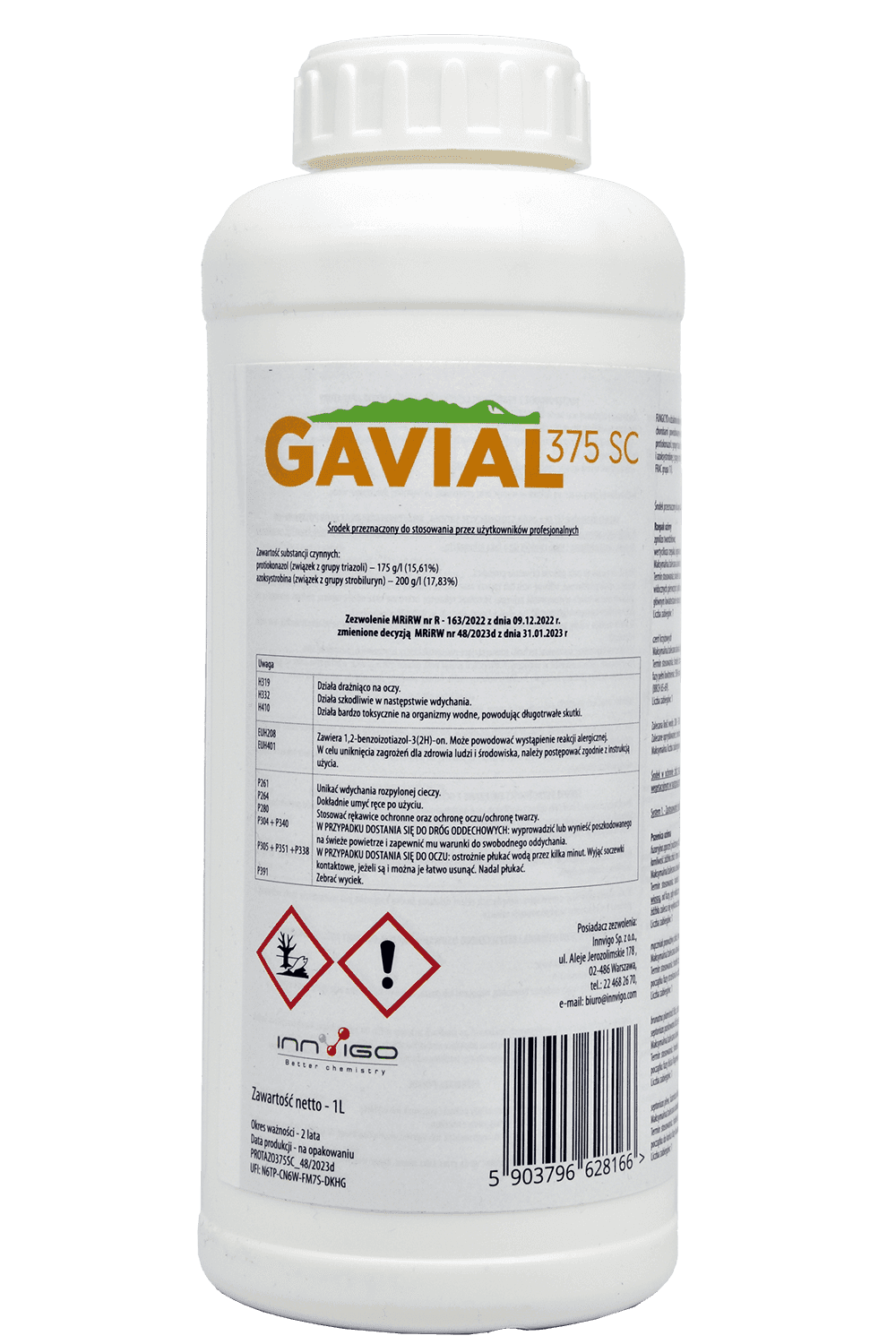
azoxystrobin – compound from the strobilurin group - 200 g/l (18.38%)
protioconazole – compound from the triazole group - 150 g/l (13.79%)
MAXENTIS SCOPE OF USE, TIMING AND DOSES:
The product is intended for use with self-propelled or tractor-mounted field sprayers.
How to use Maxentis :
Winter wheat
septoria leaf blotch of wheat, powdery mildew of cereals and grasses, yellow rust of cereals and grasses, brown rust of wheat.
Maximum dose for single application: 1.0 l/ha
Recommended dose for single application: 0.8 - 1.0 l/ha
Application timing: apply preventively or immediately after first disease symptoms appear, from the beginning of stem elongation to the end of flowering (BBCH 30-69).
Number of treatments: 1
fusarium head blight
Maximum dose for single application: 1.0 l/ha
Recommended dose for single application: 0.8 - 1.0 l/ha
Application timing: apply preventively, from the beginning of flowering (first anthers visible) to the end of flowering (all florets have finished flowering, withered anthers visible) (BBCH 61-69).
Number of treatments: 1
Recommended water volume: 100-400 l/ha.
Recommended spraying: fine droplet.
Maximum number of treatments per growing season: 1.
Note: the product at a dose of 0.8 l/ha shows a medium level of efficacy in protecting winter wheat against septoria leaf blotch, powdery mildew and fusarium head blight.
Winter barley
rhynchosporium of cereals, net blotch of barley, barley rust, powdery mildew of cereals and grasses
Maximum dose for single application: 1.0 l/ha
Recommended dose for single application: 0.8 - 1.0 l/ha
Application timing: apply preventively or immediately after first disease symptoms appear, from the beginning of stem elongation to full flowering (50% of anthers developed) (BBCH 30-65).
Number of treatments: 1
Recommended water volume: 100-400 l/ha
Recommended spraying: fine droplet.
Maximum number of treatments per growing season: 1
Note: the product at a dose of 0.8 l/ha shows a medium level of efficacy in protecting winter barley against rhynchosporium of cereals and net blotch.
Spring barley
rhynchosporium of cereals, net blotch of barley, barley rust, powdery mildew of cereals and grasses
Maximum dose for single application: 1.0 l/ha
Recommended dose for single application: 0.8 - 1.0 l/ha
Application timing: apply preventively or immediately after first disease symptoms appear, from the beginning of stem elongation to full flowering (50% of anthers developed) (BBCH 30-65).
Number of treatments: 1
Recommended water volume: 100-400 l/ha
Recommended spraying: fine droplet.
Maximum number of treatments per growing season: 1
Note: the product at a dose of 0.8 l/ha shows a medium level of efficacy in protecting spring barley against rhynchosporium of cereals.
Winter triticale
leaf septoria, brown rust
Maximum dose for single application: 1.0 l/ha
Recommended dose for single application: 0.8 - 1.0 l/ha
Application timing: apply preventively or immediately after first disease symptoms appear, from the beginning of stem elongation to the end of flowering (BBCH 30-69).
Number of treatments: 1
Recommended water volume: 100-400 l/ha.
Recommended spraying: fine droplet
Maximum number of treatments per growing season: 1.
Winter rye
rhynchosporium of cereals, brown rust of rye
Maximum dose for single application: 1.0 l/ha
Recommended dose for single application: 0.8 - 1.0 l/ha
Application timing: apply preventively or immediately after first disease symptoms appear, from the beginning of stem elongation to full flowering (50% of anthers developed) (BBCH 30-65).
Number of treatments: 1
Recommended water volume: 100-400 l/ha
Recommended spraying: fine droplet.
Maximum number of treatments per growing season: 1
Note: the product at a dose of 0.8 l/ha shows a medium level of efficacy in protecting winter rye against rhynchosporium of cereals.
Winter oilseed rape
sclerotinia stem rot
Maximum dose for single application: 1.0 l/ha
Recommended dose for single application: 0.8 - 1.0 l/ha
Application timing: apply preventively or immediately after first disease symptoms appear, from the stage when the first flowers are open to the end of flowering (BBCH 60-69).
Number of treatments: 1
blackleg
Maximum dose for single application: 1.0 l/ha
Recommended dose for single application: 0.8 - 1.0 l/ha
Application timing: apply preventively or immediately after first disease symptoms appear, from full flowering (50% of flowers on the main inflorescence open, older petals falling) to the stage when 30% of pods have reached final size (BBCH 65-73)
Number of treatments: 1
Recommended water volume: 100-400 l/ha
Recommended spraying: fine droplet
Maximum number of treatments per growing season: 1.
Note: the product at a dose of 0.8 l/ha shows a medium level of efficacy in protecting winter oilseed rape against sclerotinia stem rot and blackleg.
MAXENTIS PRE-HARVEST INTERVAL:
winter wheat, winter barley, spring barley, triticale, rye - 35 days,
winter oilseed rape- 42 days.