 SKU 41717-c
Proviso 300EC (prothioconazole) - protection of cereals against fungal diseases
Proviso 300 EC (prothioconazole) is a fungicide designed to protect wheat, triticale, rye, barley and oilseed rape against fungal diseases.
Description
Proviso 300EC (prothioconazole) - fungicide that protects wheat, triticale, rye, barley and oilseed rape against fungal diseases
What are the benefits of using PROVISO 300 EC?
- Fungicide that protects cereals against the most important fungal diseases,
- In the form of a soluble concentrate for preparing an aqueous solution,
- For preventive, intervention and curative use,
- For application using self-propelled or tractor-mounted field sprayers,
- Product resistant to washing off,
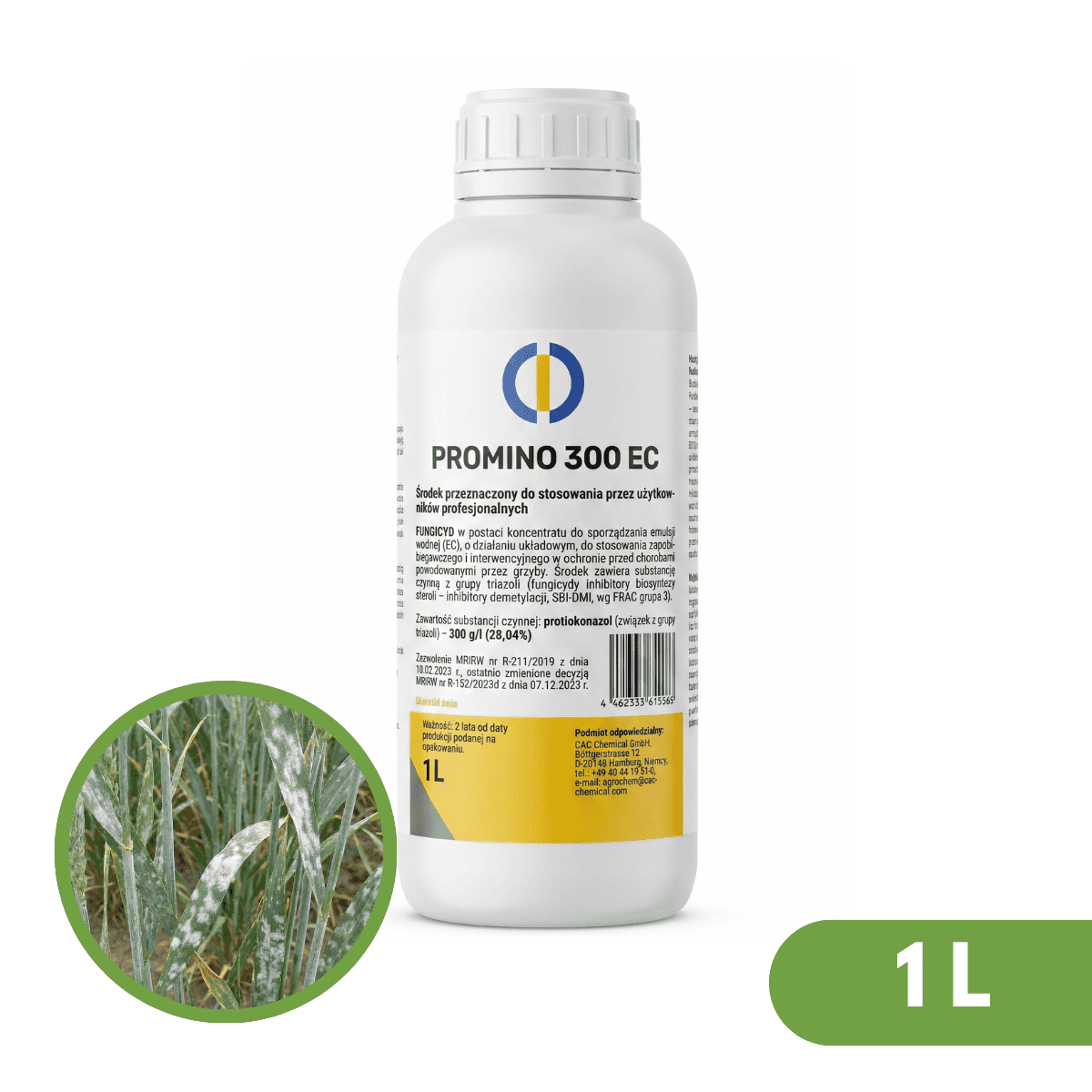
- In a convenient-to-use bottle.
PROVISO 300 EC is a fungicide, a fungicidal plant protection product, intended to protect cereals against the most important fungal diseases.
This product is manufactured as a soluble concentrate, as indicated by the EC abbreviation in its name. It should be diluted with water to prepare a solution. This solution has systemic action.
PROVISO 300 EC is used preventively, interventionally and curatively in various types of cereals.
The product is intended for application using self-propelled or tractor-mounted field sprayers.
What is the content of the active substance in Proviso?
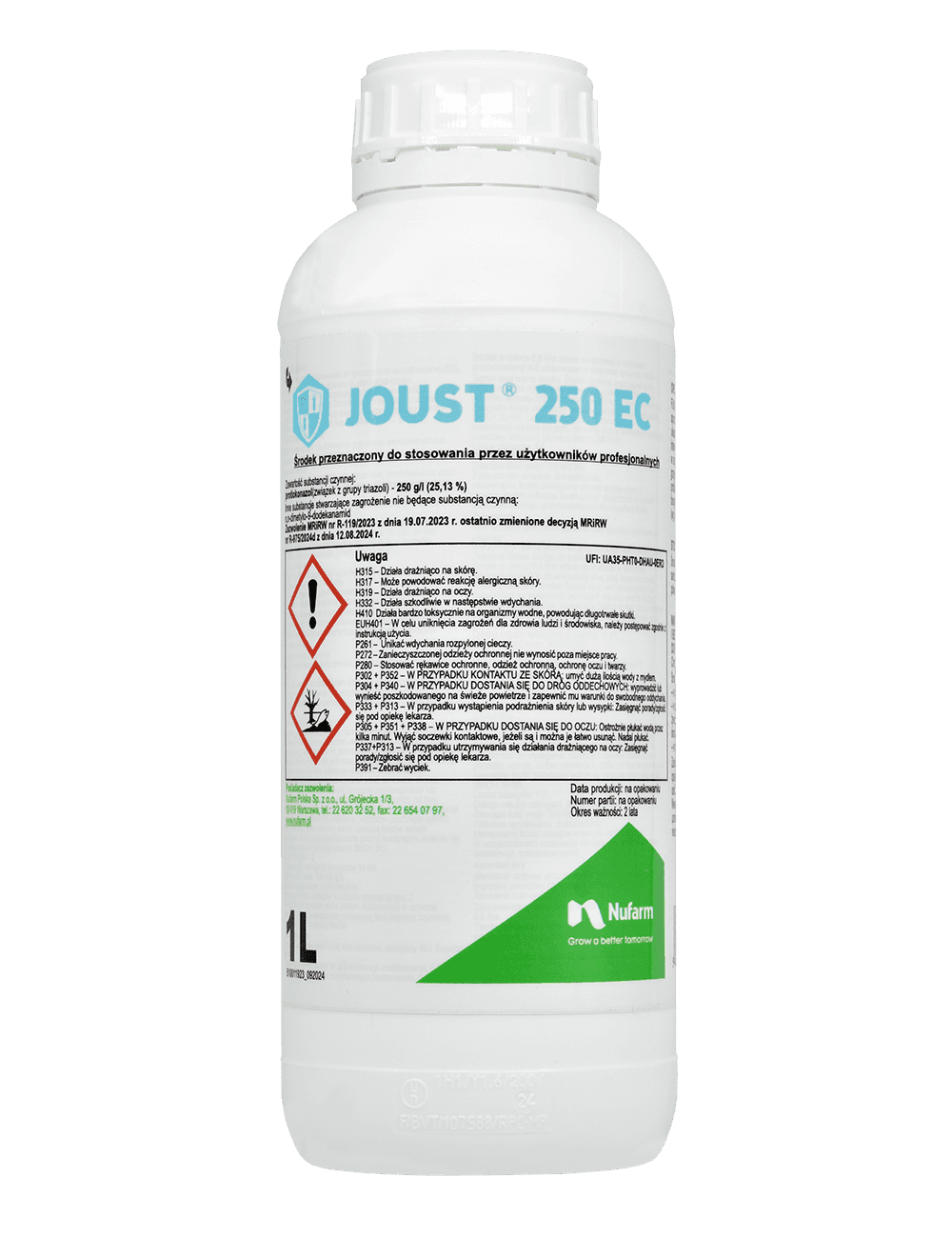
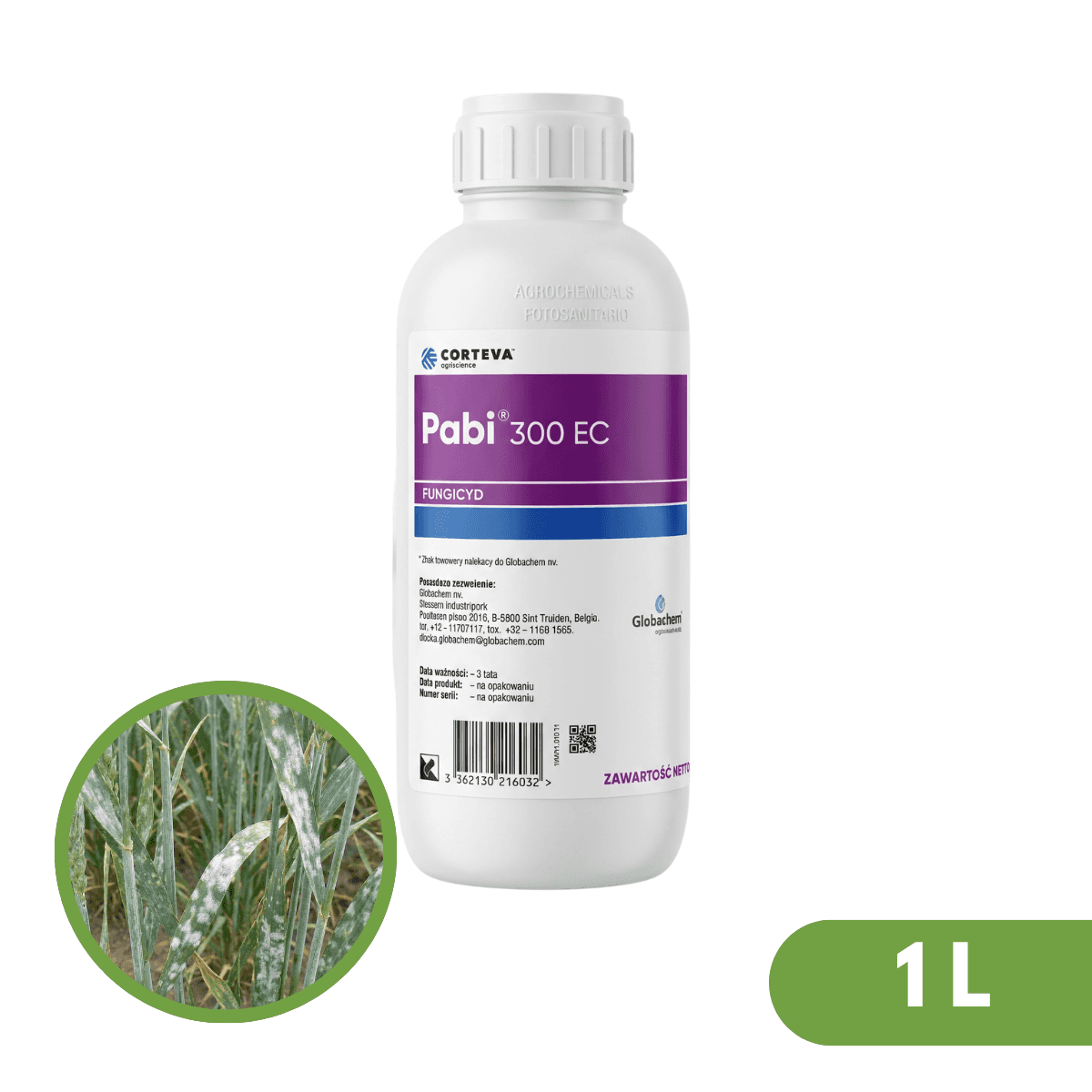
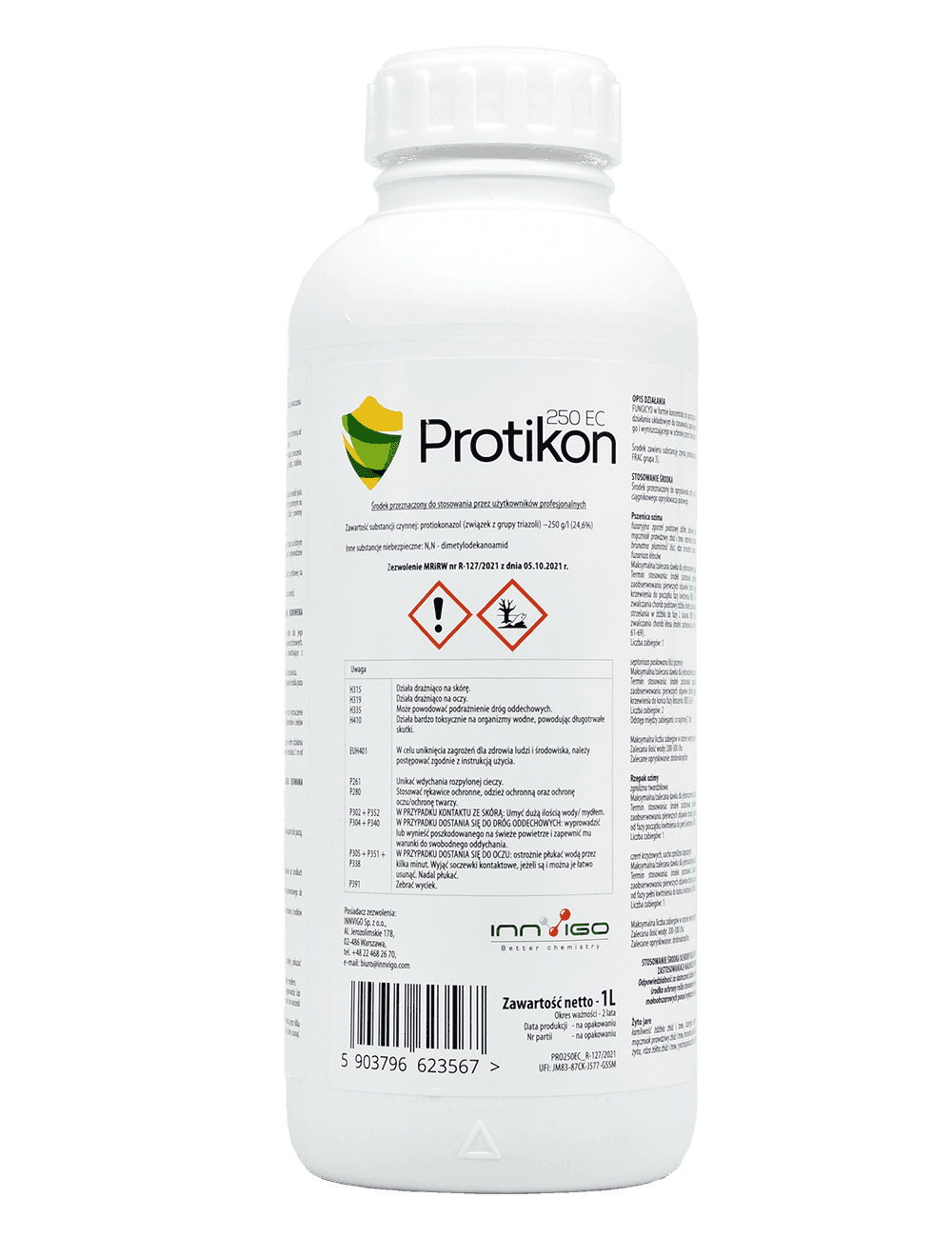
- prothioconazole (a compound from the triazole group) – 300 g/l (28.04 %).
What is the pre-harvest interval when using Proviso?
- winter and spring cereals – 35 days,
- winter and spring oilseed rape – 56 days.
Recommended spraying: fine droplet.
What precautions should be taken when using Proviso?
- Apply the product at air temperatures above 12ºC.
For more information about using Proviso 300 EC, please visit the Agricultural Advisor website.
Warning! Plant protection products must be used safely. Before each use, read the information on the label and product information.
The buyer declares that they meet the conditions specified in Article 25 paragraph 3 point 5 of the Act of 8 March 2013 on plant protection products and have been trained in the use of plant protection products in the case of products for professional users. Before each use, read the information on the label and product information. Pay attention to detailed risk indications. Follow the safety rules contained on the label. Plant protection products may only be purchased by adults and persons who have completed training and have the qualifications required for persons purchasing plant protection products (Article 28 of the Act on plant protection products of 8 March 2013 as amended). Plant protection products must be used in a way that does not pose a threat to human health, animals or the environment. The buyer of plant protection products must be sober. By using this offer, you declare that you meet the above conditions.
Application and dosage
|
Crop |
Pest control |
How to apply? Dosage |
When to apply? |
|---|---|---|---|
|
winter wheat |
powdery mildew, brown rust, yellow rust, septoria leaf blotch, brown leaf spot, glume blotch |
Maximum dose for single application: 0.65 l/ha Number of treatments: 2 |
Apply preventively or immediately after first disease symptoms appear, from the end of tillering to the beginning of flowering (BBCH 29-61). |
|
winter wheat |
fusarium head blight |
Maximum/recommended dose for single application: 0.65 l/ha Number of treatments: 1 |
Apply immediately after heading, when first anthers are visible until the end of flowering (BBCH 61-69) |
|
winter barley |
net blotch, rhynchosporium |
Maximum dose for single application: 0.65 l/ha Recommended water volume: 200-400 l/ha |
Apply preventively or immediately after first disease symptoms appear, from the end of tillering to the beginning of flowering (BBCH 29-61) |
|
winter triticale |
powdery mildew, leaf septoria, rhynchosporium |
Maximum dose for single application: 0.65 l/ha Recommended water volume: 200-400 l/ha |
Apply preventively or immediately after first disease symptoms appear, from the end of tillering to the beginning of flowering (BBCH 29-61) |
|
winter rye |
brown rust, rhynchosporium |
Maximum dose for single application: 0.65 l/ha Recommended water volume: 200-400 l/ha |
Apply preventively or immediately after first disease symptoms appear from the end of tillering to the beginning of flowering (BBCH 29-61) |
|
spring wheat |
powdery mildew, brown rust, yellow rust, septoria leaf blotch, brown leaf spot |
Maximum dose for single application: 0.65 l/ha Recommended water volume: 200-400 l/ha |
Apply preventively or immediately after first disease symptoms appear, from the end of tillering to the beginning of flowering (BBCH 29-61) |
|
spring wheat |
fusarium head blight |
Maximum/recommended dose for single application: 0.65 l/ha Recommended water volume: 200-400 l/ha |
Apply immediately after heading, when first anthers are visible until the end of flowering (BBCH 61-69) |
|
spring barley |
net blotch, rhynchosporium |
Maximum dose for single application: 0.65 l/ha Recommended water volume: 200-400 l/ha |
Apply preventively or immediately after first disease symptoms appear, from the end of tillering to the beginning of flowering (BBCH 29-61) |
|
winter oilseed rape |
damping-off of crucifers |
Maximum dose for single application: 0.6 l/ha Recommended water volume: 200-400 l/ha |
Apply preventively or immediately after first disease symptoms appear, at the following timings: |
|
winter oilseed rape |
blackleg, sclerotinia stem rot |
Maximum dose for single application: 0.6 l/ha Recommended water volume: 200-400 l/ha |
Apply preventively or immediately after first disease symptoms appear, from the beginning to the end of flowering (BBCH 61-69) |
|
spring oilseed rape |
damping-off of crucifers, blackleg, sclerotinia stem rot |
Maximum dose for single application: 0.5 l/ha Recommended water volume: 200-400 l/ha. |
Apply preventively or immediately after first disease symptoms appear from the 6-leaf stage of oilseed rape to the end of flowering (BBCH 16-69). For control of blackleg and/or sclerotinia stem rot, apply from the beginning of flowering (BBCH 61) |