 SKU 6006-c
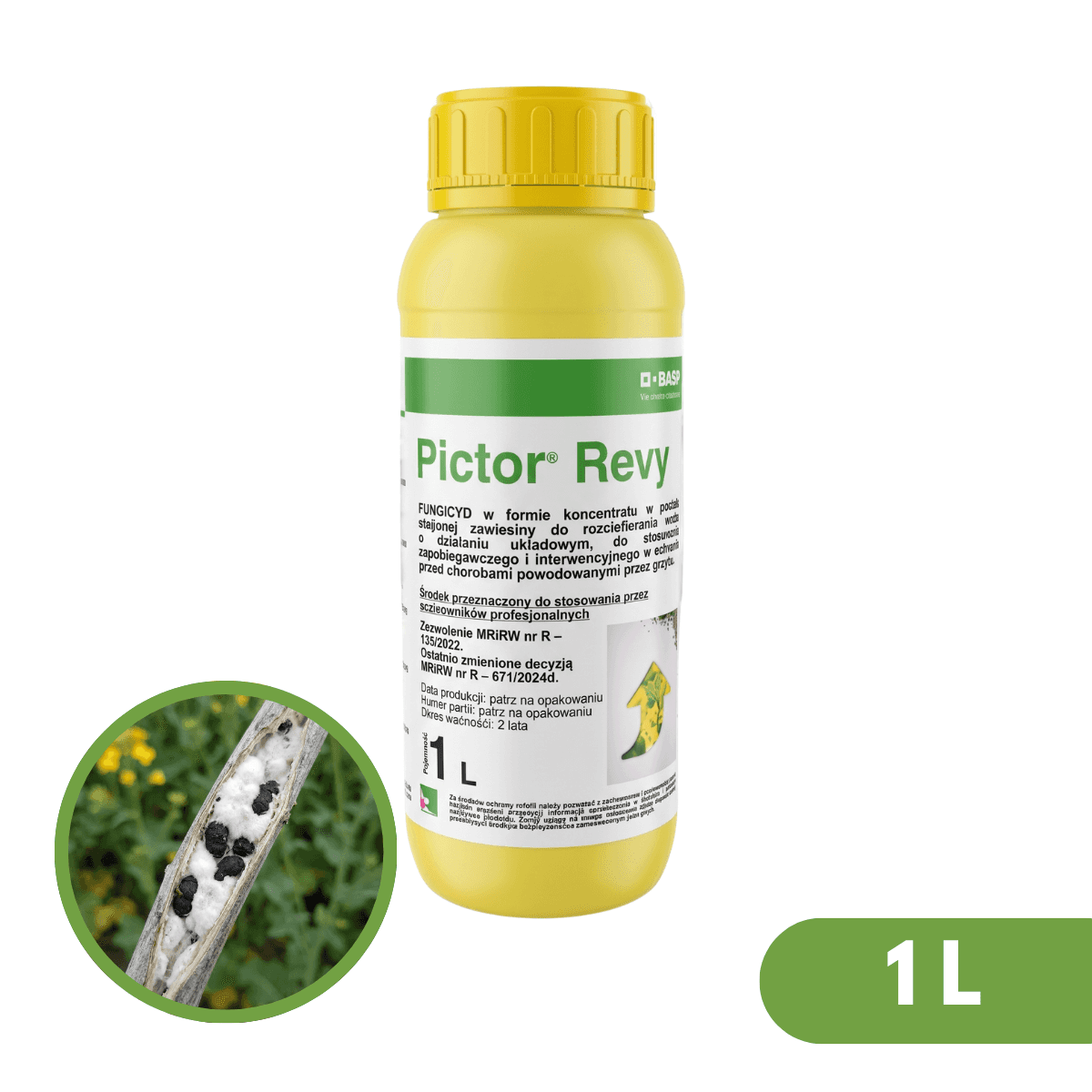
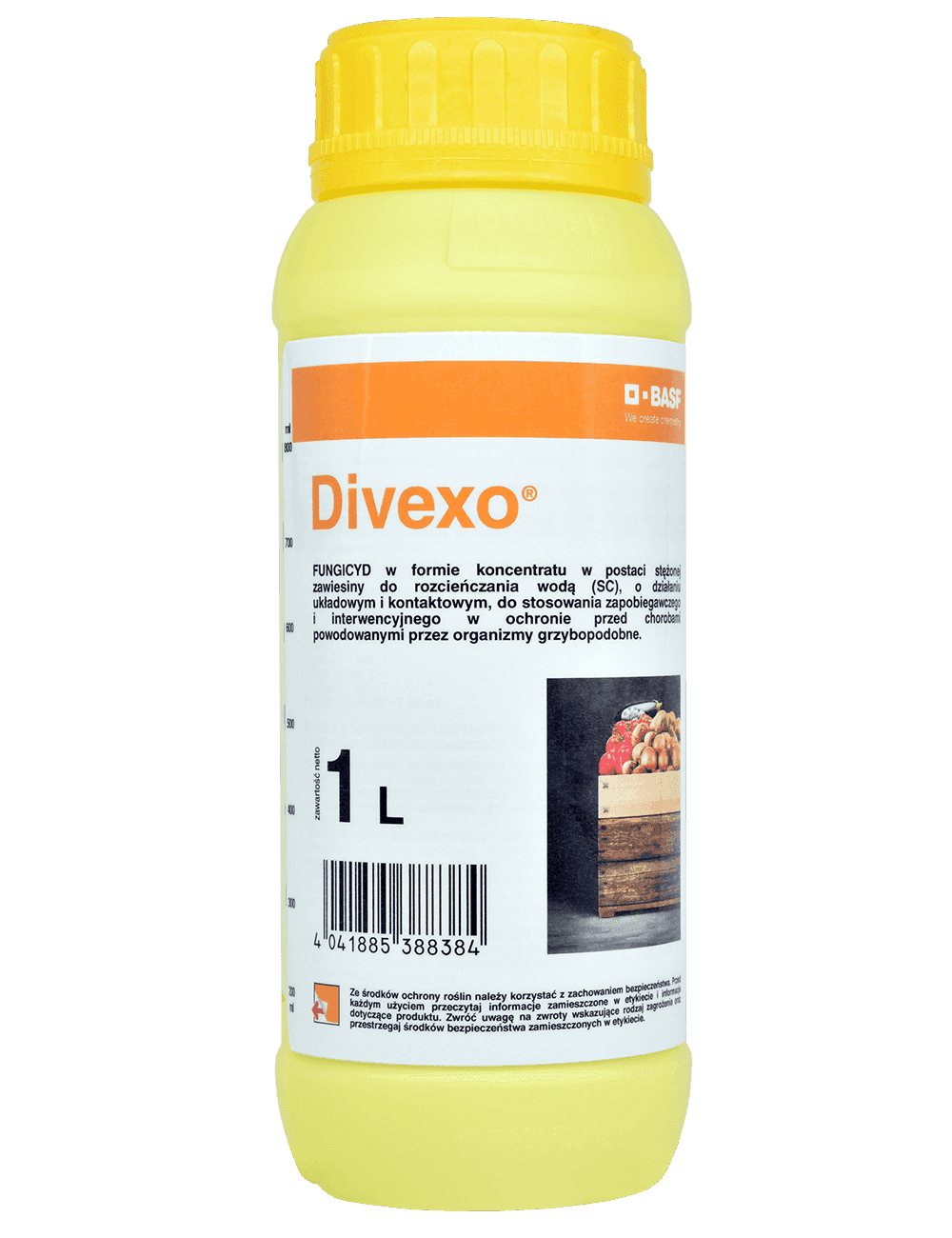
Signum 33 WG
Signum is a fungicide in granule form for preparing a water suspension with systemic action, used preventively and interventively to control diseases. It can be applied using field, orchard, and hand sprayers.
Description
Signum is a fungicide, a fungicidal plant protection product in granule form for preparing a water suspension with systemic action for preventive and interventive use in disease control. The product is intended for use with self-propelled or tractor-mounted field and orchard sprayers as well as hand sprayers.
Signum active substances content
- pyraclostrobin (a substance from the strobilurin group) - 67 g/kg (6.7%)
- boscalid (a substance from the anilide group) - 267 g/kg (26.7%)
SIGNUM 33 WG - product application
- Onion
- Head cabbage
- Carrot
- Tomato grown in the field
- Tomato grown under covers
- Strawberry
- Sour cherry
- Raspberry
- Black currant
USE OF THE PLANT PROTECTION PRODUCT IN CROPS AND SMALL-AREA APPLICATIONS
- Parsnip, root parsley
- Beetroot
- Celeriac
- Radish grown in the field
- Chives
- Broccoli
- Cauliflower
- Kohlrabi
- Brussels sprouts
- Leek
- Asparagus
- Lettuce, endive grown in the field
- Spinach
- Dill
- Leaf parsley
- Celery stalk
- Rocket
- Radish grown under covers
- Sweet pepper, eggplant grown under covers
- Lettuce, endive grown under covers
- Ornamental plants grown in the field and under covers
- Peppermint, common basil, sage, thyme, coriander, lovage grown in the field and under covers
- Sweet cherry
- Apricot
- Peach
- Plum tree
- Highbush blueberry
- Hazelnut, walnut
- Field pea grown for dry seeds
- Field pea grown for fresh seeds
- Fodder pea (vetch) grown for dry seeds
- Narrow-leafed lupin, white lupin, yellow lupin
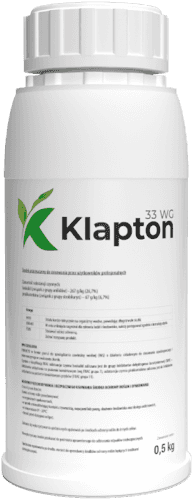
SIGNUM 33 WG 500g fungicide
Controls: Downy mildew, alternaria leaf spot, Alternaria leaf spot, powdery mildew, potato late blight, alternaria leaf spot, grey mould, brown rot of stone fruit trees, anthracnose (leaf drop) of currant leaves, pine-currant rust, black rot of crucifers, leek rust, leek phytophthora, leek alternaria leaf spot
Warning! Plant protection products must be used safely. Before each use, read the information on the label and product information.
The buyer declares that they meet the conditions specified in Article 25 paragraph 3 point 5 of the Act of 8 March 2013 on plant protection products and has training in the use of plant protection products in the case of products for professional users. Before each use, read the information on the label and product information. Pay attention to detailed risk indications. Follow the safety rules contained in the label. Plant protection products may only be purchased by adults and persons who have completed training and have the qualifications required for persons acquiring plant protection products (Article 28 of the Act on plant protection products of 8 March 2013 as amended). Plant protection products must be used in a way that does not pose a threat to human health, animals, or the environment. The buyer of plant protection products must be sober. By using this offer, you declare that you meet the above conditions.
Application and dosage
|
Crop |
Pest control |
How to apply? Dosage |
When to apply? |
|---|---|---|---|
|
field pea |
ascochyta blight, leaf spot |
Maximum dose for single application: 1.0 kg/ha. / 10 g/100 m2. Recommended water volume: 200 – 400 l/ha. / 2-4 l/100m2 . |
Apply preventively or at the onset of disease symptoms. |
|
fodder pea |
rust, chocolate spot |
Maximum / recommended dose for single application: 1.0 kg/ha. |
Apply preventively or at the onset of disease symptoms. |
|
narrow-leafed lupin, white lupin, yellow lupin |
grey mould, rust, ascochyta blight, brown spot |
Maximum / recommended dose for single application: 1.0 kg/ha. |
Apply preventively or at the onset of disease symptoms. |
|
forest tree seedlings |
seedling damping-off |
Maximum dose for single application: 1.5 kg/ha. |
|
|
coniferous and deciduous tree seedlings |
phytophthora |
Maximum dose for single application: 1.5 kg/ha. |
|
|
coniferous and deciduous tree seedlings, forest tree seedlings |
powdery mildew, rusts, grey mould |
Maximum dose for single application: 1.8 kg/ha. |
|
|
parsnip, parsley |
alternaria leaf spot, alternaria leaf spot, powdery mildew |
Maximum dose for single application: 7.5 g / 100 m2. 0.75 kg/ha. Recommended water volume: 600-800 l/ha. / 6-8 l/100 m² |
Apply from the 5th leaf stage to the end of the phase when the root reaches typical size and shape (BBCH 15-49). First treatment should be preventive or at the onset of first disease symptoms. |
|
beetroot |
powdery mildew |
Maximum / recommended dose for single application: 1.0 kg/ha. / 10 g/100 m2. Recommended water volume: 600-800 l/ha. / 6-8 l/100 m² |
Apply from the 5th leaf stage to the end of the phase when the root reaches typical size and shape (BBCH 15-49). First treatment should be preventive or at the onset of first disease symptoms. |
|
kohlrabi, brussels sprouts |
black rot of crucifers |
Maximum / recommended dose for single application: 1.0 kg/ha. / 10 g/100 m2. Recommended water volume: 600-800 l/ha. / 6-8 l/100 m² |
Apply from 3 leaves to the end of the phase when the swelling reaches 70% of typical size (BBCH 13-47). First treatment should be preventive, according to monitoring, or at the onset of first disease symptoms. |
|
sweet cherry, apricot, peach, plum tree |
brown rot of stone fruit trees |
Maximum dose for single application: 0.75 – 1 kg/ha. / 7.5 g/100 m2. Recommended water volume: 500 – 850 l/ha. / 5 – 8.5 l/100m2 |
Sweet cherry: |
|
potato |
alternaria leaf spot |
Maximum / recommended dose for single application: 0.25 kg/ha. / 2.5 g/100m2. Recommended water volume: 2-4 l/100 m2 / 200-400 l/ha. |
Apply preventively on sensitive variety plantations or at the onset of first disease symptoms on lower leaves, but not earlier than the beginning of potato inflorescence development phase (BBCH 51). Do not apply after the start of fruit and seed ripening (BBCH 81). |
|
broccoli, cauliflower |
black rot of crucifers, white blister |
Maximum / recommended dose for single application: 1.0 kg/ha. / 10 g/100 m2. Recommended water volume: 600-800 l/ha. / 6-8 l/100 m² |
Apply from 3 leaves to the end of the phase when the head reaches 70% of typical size (BBCH 13-47). First treatment should be preventive, according to monitoring, or at the onset of first disease symptoms. |
|
Chinese cabbage |
black rot of crucifers, grey mould |
Maximum dose for single application: 10 g/100 m2 / 1.0 kg/ha. Recommended water volume: 600-800 l/ha. / 6-8 l/100 m² |
Apply from the phase when the head starts forming to the phase when the head reaches typical size, shape, and firmness (BBCH 41-49). First treatment should be preventive according to monitoring or at the onset of first disease symptoms during head formation. |
|
seven-year onion |
leek rust, phytophthora, onion alternaria leaf spot |
Maximum dose for single application: 15 g/100 m2 / 1.5 kg/ha. Recommended water volume: 600-800 l/ha. / 6-8 l/100 m² |
Apply from 3 leaves to the end of the phase when the plant reaches 70% of typical size (BBCH 13-47). First treatment should be preventive, according to monitoring, or at the onset of first disease symptoms. |
|
shallot |
downy mildew, alternaria, stemphylium |
Maximum dose for single application: 10 g/100 m2 / 1.0 kg/ha. Recommended water volume: 600-800 l/ha. / 6-8 l/100 m² |
Apply from the clearly visible 3rd leaf stage to the phase when 50% of leaves bend (BBCH 13-48). First treatment should be preventive according to monitoring or at the onset of first disease symptoms. |
|
chicory |
alternaria leaf spot, rust |
Maximum / recommended dose for single application: 1.5 kg/ha. |
Apply from 3 leaves to the end of the phase when the plant reaches 70% of leaf mass typical for the variety (BBCH 13-47). First treatment should be preventive or at the onset of first disease symptoms. |
|
strawberry |
anthracnose |
Maximum dose for single application: 1.8 kg/ha. / 18 g/100 m2. Recommended water volume: 500 – 700 l/ha. / 4 – 7 l/100m2 |
Apply from the beginning to the end of flowering phase (BBCH 61-69). |
|
wild strawberry |
grey mould, leaf spot, powdery mildew, anthracnose |
Maximum dose for single application: 1.8 kg/ha. / 18 g/100 m2. Recommended water volume: 500 – 700 l/ha. / 4 – 7 l/100m2 |
Apply from the beginning to the end of flowering phase (BBCH 61-69). |
|
white currant, red currant |
anthracnose, leaf drop, grey mould |
Maximum dose for single application: 1.8 kg/ha. / 18 g/100 m2. Recommended water volume: 500 – 700 l/ha. / 4 – 7 l/100m2 . |
Apply preventively or at the onset of first disease symptoms. First treatment should be done just before flowering (BBCH 55-59), next after flowering (BBCH 69-90). |
|
gooseberry |
grey mould, anthracnose, leaf drop |
Maximum dose for single application: 1.8 kg/ha. / 18 g/100 m2. Recommended water volume: 600 – 800 l/ha. / 6-8 l/100m2 |
Apply preventively or at the onset of first disease symptoms. First treatment should be done just before flowering (BBCH 55-59), next after flowering (BBCH 69-90). |
|
blackberry |
grey mould, bud dieback |
Maximum dose for single application: 1.8 kg/ha. / 18 g/100 m2. Recommended water volume: 600 – 700 l/ha. / 6-7 l/100m2 |
Apply preventively or at the onset of first disease symptoms. |
|
highbush blueberry |
grey mould |
Maximum dose for single application: 1.5 kg/ha. / 15 g/100 m2. Recommended water volume: 500 – 1000 l/ha. / 5-10 l/100m2 |
Apply preventively or at the onset of disease symptoms. For grey mould control, apply from the beginning of flowering of highbush blueberry (BBCH 61-85). |
|
hazelnut, walnut |
alternaria leaf spot, nut grey necrosis, anthracnose, walnut anthracnose, hazelnut shoot dieback, hazelnut moniliosis |
Maximum dose for single application: 1.0 kg/ha. / 10 g/100 m2. Recommended water volume: 600 – 1500 l/ha. / 6-15 l/100m2 |
Apply preventively or at the onset of disease symptoms. |
|
peppermint, common basil, sage, thyme, coriander, lovage |
grey mould, sclerotinia stem rot, rhizoctonia |
Maximum dose for single application: 1.5 – 1 kg/ha. / 15 g/100 m2. Recommended water volume: 600 – 800 l/ha. / 6 – 8 l/100m2 |
Treatment should be preventive or at the onset of first disease symptoms. |
|
head cabbage |
black rot of crucifers, grey mould |
Maximum dose for single application: 1 kg/ha. / 10 g/100 m2. Recommended water volume: 600 – 800 l/ha. / 6 – 8 l/100m2 |
Apply from the phase when the head starts forming to the phase when the head reaches typical size, shape, and firmness (BBCH 41-49). First treatment should be preventive according to monitoring or at the onset of first disease symptoms. |
|
carrot |
alternaria leaf spot, powdery mildew |
Maximum dose for single application: 1 kg/ha. / 10 g/100 m2. Recommended water volume: 600 – 800 l/ha. / 6 – 8 l/100m2 Maximum number of treatments per growing season: 2. |
Apply from the phase when roots start to widen to the phase when the root reaches typical size and shape (BBCH 41-49). First treatment should be preventive according to monitoring or at the onset of first disease symptoms. |
|
tomato grown in the field |
potato late blight, alternaria leaf spot |
Maximum dose for single application: 1.5 / 15 g/100 m2. kg/ha. Recommended water volume: 600 – 800 l/ha. / 6 – 8 l/100 m2 |
Apply from the phase when the first inflorescence is visible to the phase when 50% of fruits reach typical colour (BBCH 51-85). For potato late blight control, first treatment should be preventive according to monitoring or after first disease symptoms on early potato varieties in the region. |
|
tomato under covers |
grey mould, potato late blight |
Maximum / recommended concentration for single application: 0.2% (200 g in 100 l water). / 0.2% (2 g in 1 l water). Spray liquid dose: 100 l /1000 m2 / 10 l /100 m2 |
Apply from the phase when the first inflorescence is visible to the phase when 50% of fruits reach typical colour (BBCH 51-85). First treatment should be preventive or at the onset of first disease symptoms. |
|
strawberry |
grey mould, white leaf spot of strawberry, powdery mildew of strawberry |
Maximum / recommended dose for single application: 1.8 kg/ha. |
Apply from the beginning to the end of flowering phase (BBCH 60-81). |
|
sour cherry |
brown rot of stone fruit trees |
Maximum dose for single application: 1 / 10 g/100 m2. kg/ha. Recommended water volume: 500 – 700 l/ha. / 5-7.5 l/100m2 |
First treatment at the beginning of flowering (first buds opening) (BBCH 60), second treatment at full flowering (BBCH 67). |
|
raspberry |
grey mould, bud dieback of raspberry shoots |
Maximum / recommended dose for single application: 1.8 kg/ha. / 18 g/100 m2. |
Apply from the stage when flower buds are closed to the end of the phase when all fruits are harvested (BBCH 51-90). Apply preventively or at the onset of first disease symptoms. |
|
black currant |
anthracnose (leaf drop) of currant leaves, pine-currant rust |
Maximum / recommended dose for single application: 1.8 kg/ha. / 18 g/100 m2. Recommended water volume: 600 - 800 l/ha. / 6-8 l/100m2 |
Apply preventively or at the onset of first disease symptoms. First treatment should be done just before flowering (BBCH 55-59), next after flowering (BBCH 69-90). |
|
onion |
downy mildew, alternaria, stemphylium |
Maximum / recommended dose for single application: 1 kg/ha. / 10 g/100 m2. Recommended water volume: 600 – 800 l/ha. / 6-8 l/100m2 |
Apply from the clearly visible 3rd leaf stage to the phase when 50% of leaves bend (BBCH 13-48). First treatment should be preventive according to monitoring or at the onset of first disease symptoms. |
|
radish (grown under covers) |
grey mould, rhizoctonia |
Maximum / recommended dose for single application: 1.5 kg/ha. / 15 g/100 m2. Recommended water volume: 6-8 l/100 m²./ 6-8 l/100 m² Number of treatments: 1. |
For grey mould control: apply from the first leaf stage to the end of the phase when the root reaches typical size and shape (BBCH 11-49). First treatment should be preventive or at the onset of first disease symptoms. |
|
chives |
grey mould, sclerotinia stem rot |
Maximum / recommended dose for single application: 1.5 kg/ha. 15 g/100 m2. Recommended water volume: 600-800 l/ha. / 6-8 l/100 m² |
Apply from 3 leaves to the beginning of flower stalk formation (BBCH 13-47). First treatment should be preventive or at the onset of first disease symptoms. |
|
chives |
rhizoctonia |
Maximum / recommended dose for single application: 1.5 kg/ha. 15 g/100 m2. Recommended water volume: 600-800 l/ha. / 6-8 l/100 m² |
Apply from 3 leaves to the beginning of flower stalk formation (BBCH 13-47). First treatment should be preventive or at the onset of first disease symptoms. |
|
leek |
leek rust, phytophthora, alternaria leaf spot |
Maximum dose for single application: 15 g/100 m2 / 1.5 kg/ha. Recommended water volume: 600-800 l/ha. / 6-8 l/100 m² |
Apply from 3 leaves to the end of the phase when the plant reaches 70% of typical size (BBCH 13-47). First treatment should be preventive according to monitoring or at the onset of first disease symptoms. |
|
asparagus |
grey mould |
Maximum dose for single application: 15 g/100 m2 / 1.5 kg/ha. Recommended water volume: 600-800 l/ha. / 6-8 l/100 m² |
Protection should be carried out after harvest of shoots, during shoot growth (BBCH 69-93). First treatment after disease symptoms appear (usually late July to August). |
|
lettuce, endive |
grey mould, sclerotinia stem rot, rhizoctonia |
Maximum dose for single application: 15 g/100 m2 / 1.5 kg/ha. Recommended water volume: 600-800 l/ha. / 6-8 l/100 m² |
Apply from 3 leaves to the end of the phase when the plant reaches 70% of leaf mass typical for the variety (BBCH 13-47). First treatment should be preventive or at the onset of first disease symptoms. |
|
ornamental plants |
powdery mildew |
Maximum / recommended dose for single application: 1.8 g/1 l water. |
First treatment should be preventive, according to monitoring, or at the onset of first disease symptoms. |
|
ornamental plants |
alternaria leaf spot |
Maximum / recommended dose for single application: 1 g/1 l water. Number of treatments: 2. |
First treatment should be preventive, according to monitoring, or at the onset of first disease symptoms. |
|
ornamental plants |
grey mould, sclerotinia stem rot, rhizoctonia |
Maximum / recommended dose for single application: 1.5 g/1 l water. Number of treatments: 2. Recommended water volume: 6-8 l/100 m². |
First treatment should be preventive, according to monitoring, or at the onset of first disease symptoms. |
|
celeriac |
sclerotinia stem rot |
Maximum / recommended dose for single application: 1.5 kg/ha. 15 g/100 m2. Recommended water volume: 600-800 l/ha. / 6-8 l/100 m² |
Apply from the 5th leaf stage to the end of the phase when the root reaches typical size and shape (BBCH 15-49). First treatment should be preventive or at the onset of first disease symptoms. |
|
spinach |
leaf spot |
Maximum dose for single application: 15 g/100 m2 / 1.5 kg/ha. Recommended water volume: 600-800 l/ha. / 6-8 l/100 m² |
Apply from 3 leaves to the end of the phase when the plant reaches 70% of leaf mass typical for the variety (BBCH 13-47). First treatment should be preventive or at the onset of first disease symptoms. |
|
dill |
grey mould, sclerotinia stem rot, rhizoctonia |
Maximum dose for single application: 15 g/100 m2 / 1.5 kg/ha. Recommended water volume: 600-800 l/ha. / 6-8 l/100 m² |
For grey mould and sclerotinia stem rot control: apply preventively or at the onset of first disease symptoms, usually at the beginning of the growing season at 1-2 true leaf stage (BBCH 15-49). |
|
leaf parsley |
grey mould, sclerotinia stem rot, rhizoctonia |
Maximum dose for single application: 15 g/100 m2 / 1.5 kg/ha. Recommended water volume: 600-800 l/ha. / 6-8 l/100 m² |
For grey mould and sclerotinia stem rot control: apply preventively or at the onset of first disease symptoms, usually at the beginning of the growing season (BBCH 13-46). |
|
celery stalk |
grey mould, sclerotinia stem rot, rhizoctonia |
Maximum dose for single application: 15 g/100 m2 / 1.5 kg/ha. Recommended water volume: 600-800 l/ha. / 6-8 l/100 m² |
For grey mould and sclerotinia stem rot control: apply preventively or at the onset of first disease symptoms, usually at the beginning of the growing season (BBCH 15-49). |
|
rocket |
grey mould, sclerotinia stem rot, rhizoctonia |
Maximum dose for single application: 15 g/100 m2 / 1.5 kg/ha. Recommended water volume: 600-800 l/ha. / 6-8 l/100 m² |
For grey mould and sclerotinia stem rot control: apply preventively or at the onset of first disease symptoms, usually at the beginning of the growing season (BBCH 13-47). |
|
radish grown in the field |
rhizoctonia |
Maximum / recommended dose for single application: 1.5 kg/ha. / 15 g/100 m2. Recommended water volume: 6-8 l/100 m²./ 6-8 l/100 m² Interval between treatments: 14-21 days. |
Treatment should be preventive at 1-2 true leaf stage (BBCH 11-12). |
|
radish grown in the field |
grey mould |
Maximum / recommended dose for single application: 1.5 kg/ha. / 15 g/100 m2. Recommended water volume: 6-8 l/100 m²./ 6-8 l/100 m² Number of treatments: 1. |
Apply from the first leaf stage to the end of the phase when the root reaches typical size and shape (BBCH 11-49). First treatment should be preventive or at the onset of first disease symptoms. |
|
sweet pepper, eggplant (grown under covers) |
grey mould, sclerotinia stem rot, powdery mildew |
Maximum dose for single application: 15 g/100 m2 / 1.5 kg/ha. Recommended water volume: 1000 l/ha. / 10 l/100 m² |
Apply from the developed second true leaf on the main shoot to the end of the phase when fruits have typical colour (BBCH 12-89). First treatment should be preventive, according to monitoring, or at the onset of first disease symptoms. |
|
aronia |
grey mould |
Maximum dose for single application: 1.8 kg/ha. / 18 g/100 m2. Recommended water volume: 600 – 700 l/ha. / 6 – 7 l/100m2 |
Apply from the beginning of flowering phase (BBCH 61-83). |