 SKU 45452-c
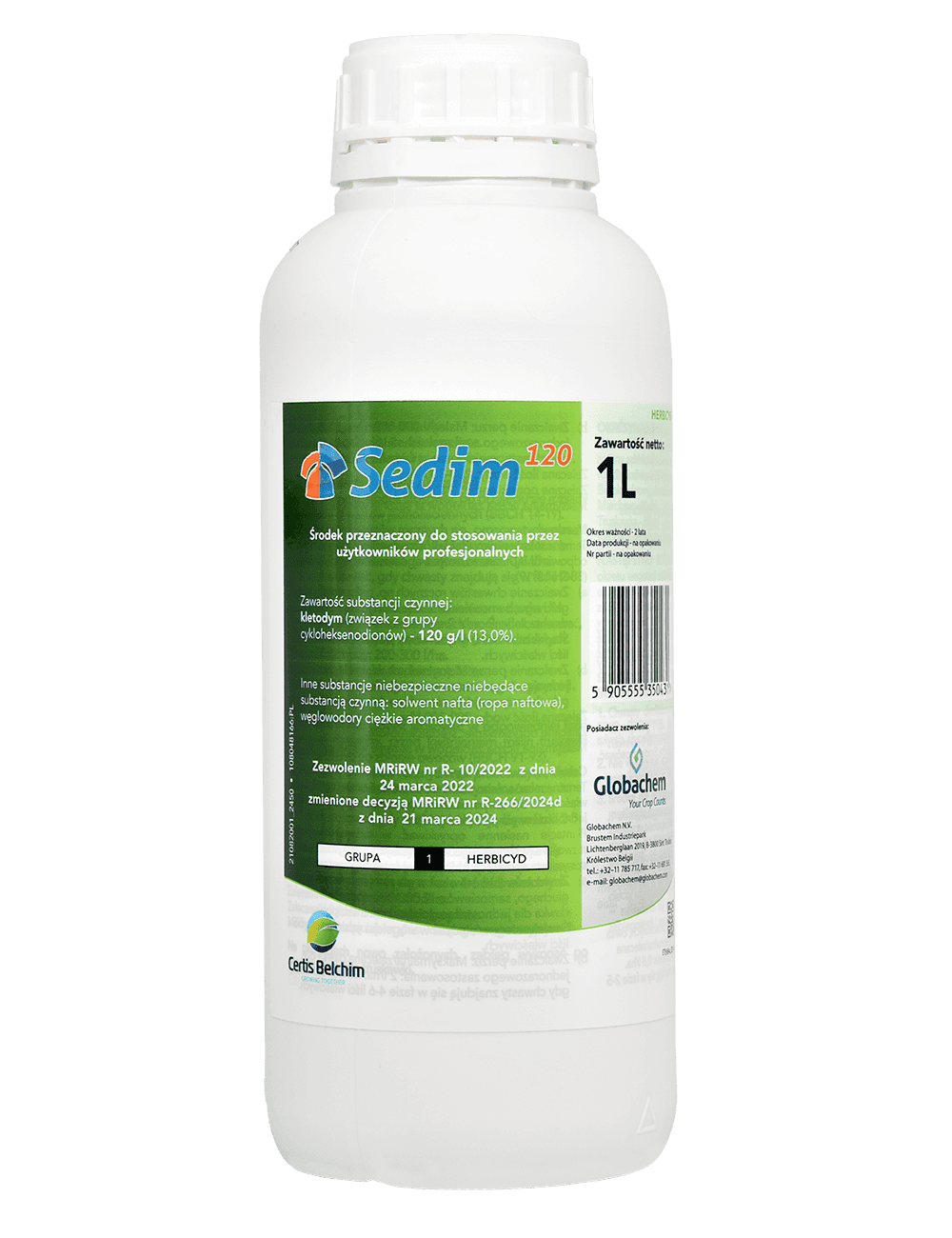
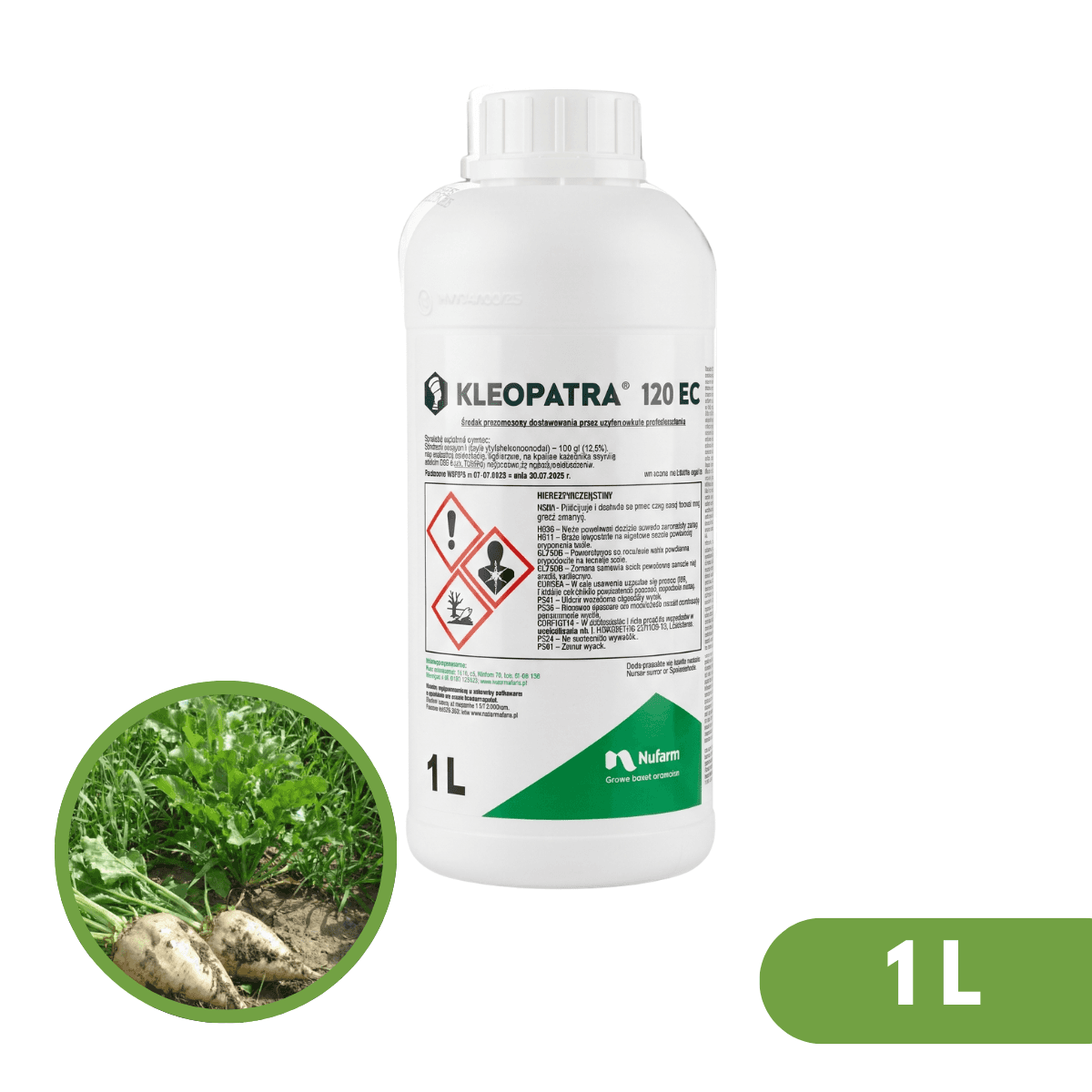
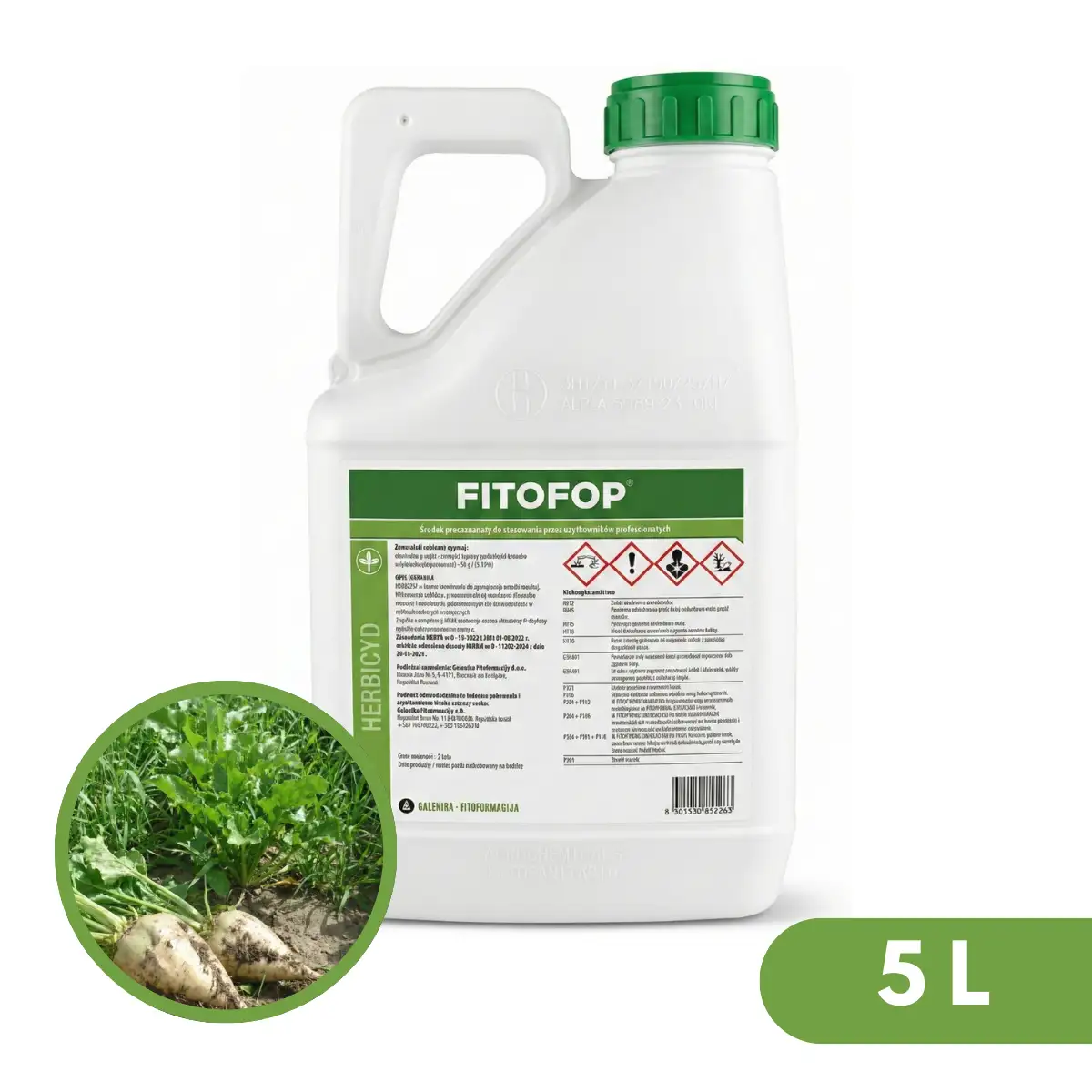
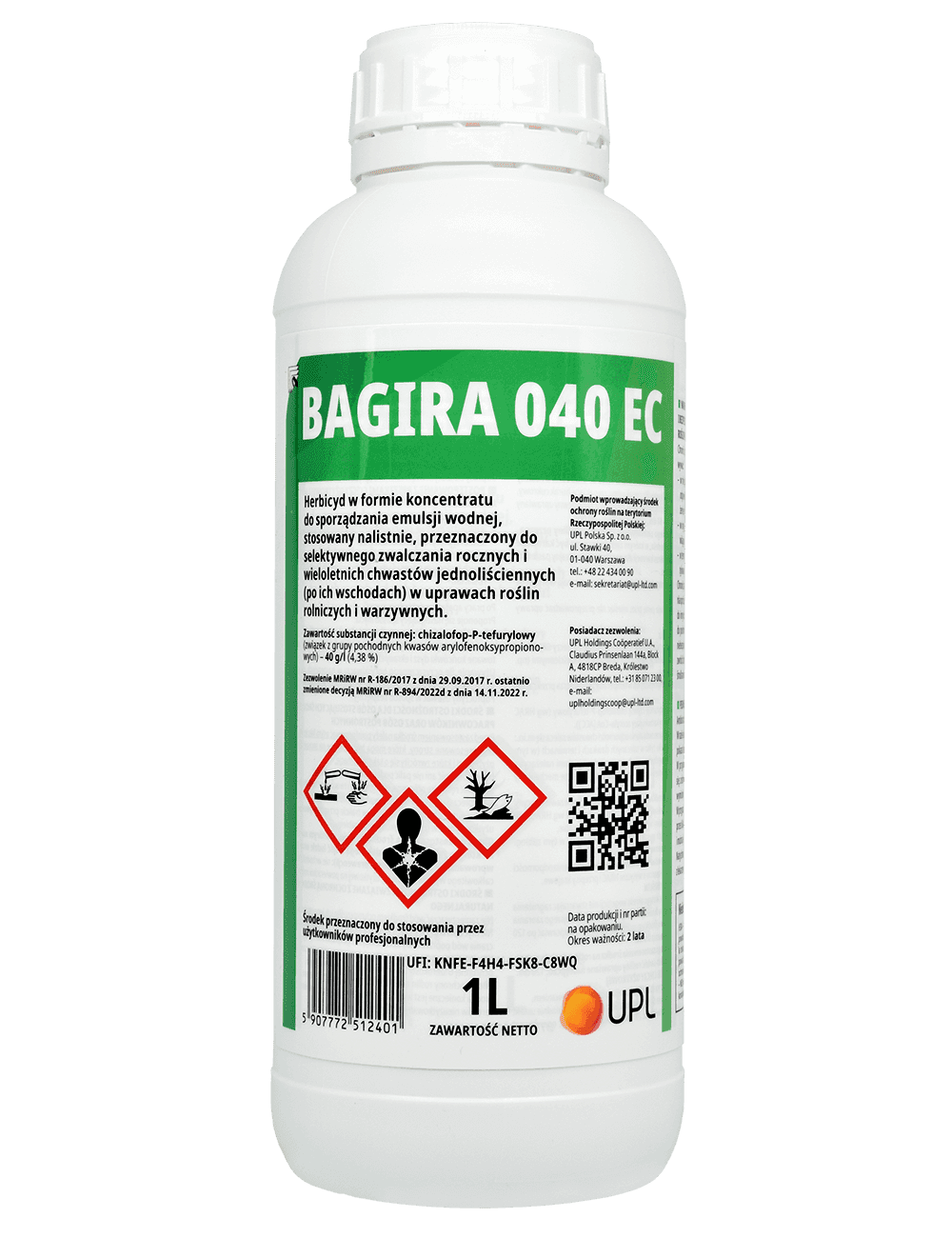
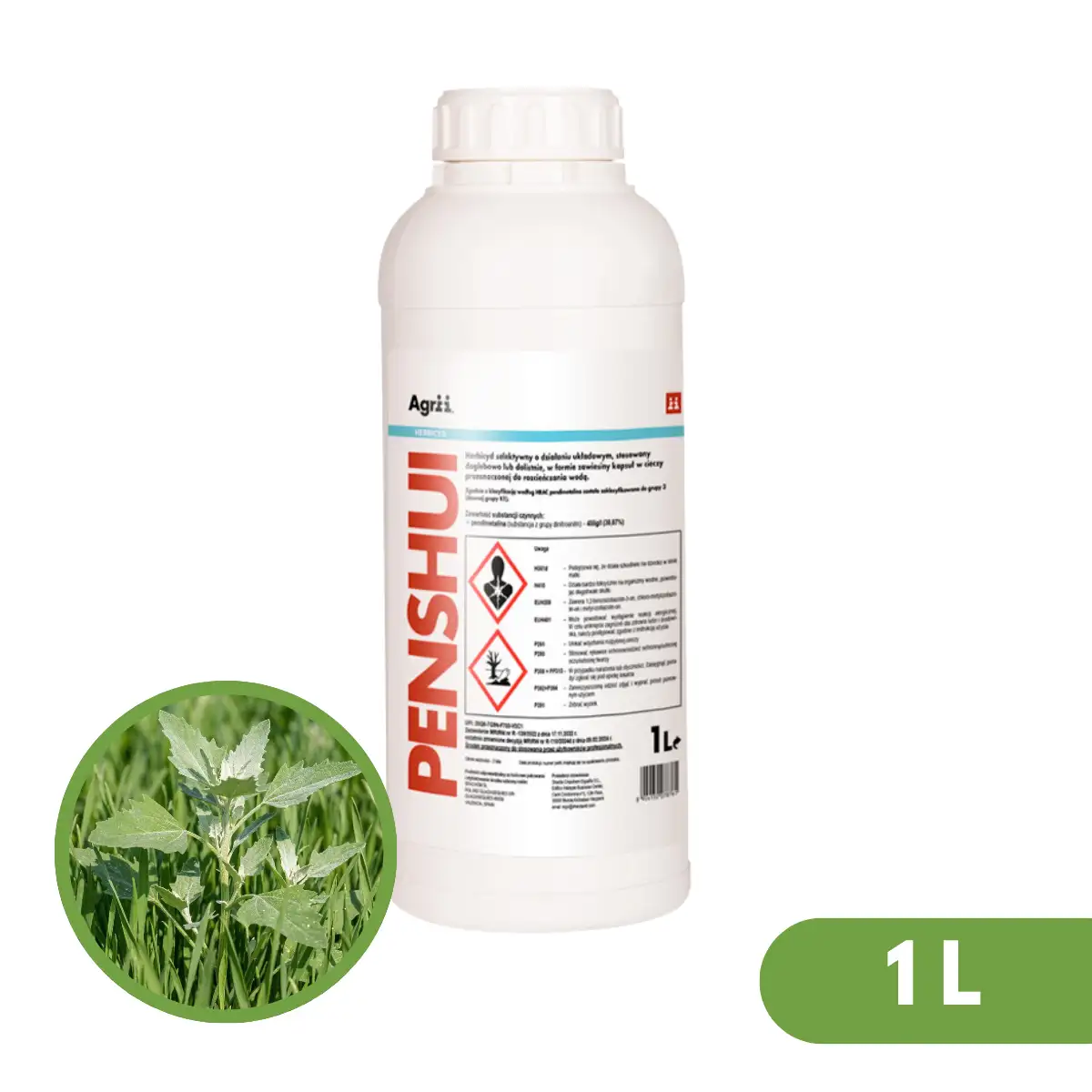
Ready (propachizafop) Sharda - herbicide
Ready Sharda is a selective herbicide with systemic action, intended for foliar application, available as a concentrate.
Description
Ready Sharda - herbicide
- Wide range of use - for application in many vegetable crops, as well as in some arable and orchard crops.
- Controls among others: Alopecurus myosuroides, blackgrass, couch grass, but also other weeds: wild oats, blood chickweed, volunteer cereals, bluegrass, green foxtail, perennial ryegrass.
- Effects of the product are visible already 3 days after application.
- For foliar application.
- In a convenient concentrate form.
Ready is a selective herbicide with systemic action for foliar application. The product is a concentrate for preparing an aqueous emulsion.
The product is intended for use with self-propelled or tractor-mounted field sprayers or self-propelled or tractor-mounted orchard sprayers equipped with a herbicide boom.
Herbicide for monocotyledonous weeds Ready Sharda - mode of action:
The product rapidly penetrates through leaves - it moves to the roots and rhizomes of weeds, resulting in inhibition of growth and development of the plant (weed). Effects of the product become visible already 3 days after application. This manifests as yellowing of the weed, followed by the death of the youngest leaves. Rainfall occurring within one hour after treatment does not affect the product's effectiveness.
Ready Sharda - active substance content:
- propachizafop (a compound from the aryloxyphenoxypropionic acid derivatives group) - 100 g/l (9.7%).
According to HRAC classification, the active substance propachizafop belongs to group A.
Herbicide Ready Sharda - controlled weeds:
Sensitive weeds:
- Alopecurus myosuroides,
- blackgrass,
- wild oats,
- blood chickweed,
- couch grass,
- volunteer cereals,
- bluegrass,
- green foxtail,
- perennial ryegrass.
Herbicide Ready Sharda - application in crops:
- sugar beet,
- winter oilseed rape,
- potato,
- onion,
- green pea,
- dry pea,
- bean,
- cabbage,
- carrot,
- parsley,
- strawberry.
Small-scale use:
- field bean,
- broad bean,
- broccoli,
- rutabaga,
- fodder beet,
- fodder beet,
- common garlic,
- shallot,
- horseradish,
- sainfoin,
- Brussels sprouts,
- white clover,
- red clover,
- crimson clover (incarnate),
- flax,
- sweet clover,
- flaxseed,
- kidney alfalfa,
- sickle alfalfa,
- alfalfa,
- white lupin,
- narrow-leaved lupin,
- yellow lupin,
- opium poppy,
- white melilot,
- yellow melilot,
- parsnip,
- fenugreek,
- white turnip,
- black turnip,
- spring oilseed rape,
- black radish,
- Japanese radish (daikon),
- radish,
- salsify,
- celeriac,
- seradella,
- lentil,
- Jerusalem artichoke,
- vetch,
Ready Sharda - pre-harvest intervals and safety periods:
Pre-harvest interval - the period from the last application of the product to the day of crop harvest:
- Sugar beet, cabbage, bean, carrot, parsley, celeriac, parsnip, broccoli, Brussels sprouts, fodder beet, fodder beet, Jerusalem artichoke, horseradish, black radish, Japanese radish (daikon), radish, salsify, white turnip, black turnip – 28 days.
- Winter oilseed rape – 42 days.
- Potato – 40 days.
- Green pea, dry pea, broad bean, white lupin, yellow lupin, narrow-leaved lupin, fenugreek, field bean, alfalfa, sickle alfalfa, kidney alfalfa, clover, red clover, white clover, crimson clover (incarnate), sainfoin, vetch, seradella, lentil, white melilot, yellow melilot, sweet clover – 45 days.
- Onion, common garlic, shallot, rutabaga – 30 days.
- Spring oilseed rape, opium poppy, flax, flaxseed – 90 days.
- Strawberry – not applicable.
Safety period - the period from application to the day when people may enter the treated area and animals may be introduced:
- Do not enter until the spray liquid has completely dried on the plant surfaces.
Ready Sharda - preparation of spray liquid:
Before preparing the spray liquid, accurately determine the required amount. Pour the measured amount of product into the sprayer tank partially filled with water (with the agitator on) and fill up with water to the required volume. After adding the product to a sprayer tank without a hydraulic agitator, mix the liquid mechanically. Rinse empty containers three times with water and pour the rinsate into the sprayer tank with the spray liquid. In case of breaks in spraying, mix the spray liquid thoroughly before resuming work.
Ready herbicide - crop rotation:
The product decomposes during the growing season without posing a threat to succeeding crops. In case of earlier ploughing of the treated crop (e.g., due to frost damage or damage by diseases or pests), dicotyledonous plants or plants for which the product is recommended for weed control can be cultivated.
Herbicide Ready Sharda - usage and storage instructions:
- Dicotyledonous weeds can be controlled at least three days before or within three days after application of Ready.
- The dose depends on the weed species controlled, and the effectiveness depends on the growth stage at which the product is applied.
- After controlling couch grass, do not perform mechanical soil cultivation for one month.
- Keep out of reach of children.
- Store the plant protection product:
- in original packaging,
- in a way preventing contact with food, beverages or feed, environmental contamination, and access by unauthorized persons,
- at temperatures between 0ºC and 30ºC,
- in tightly closed containers, away from heat sources.
Warning! Plant protection products must be used safely. Read the label and product information before each use.
The purchaser declares that they meet the conditions specified in Article 25, paragraph 3, point 5 of the Act of 8 March 2013 on plant protection products and have training in the use of plant protection products in the case of products for professional users. Read the label and product information before each use. Pay attention to detailed risk indications. Follow safety rules contained in the label. Plant protection products may only be purchased by adults and persons who have completed training and have qualifications required for persons purchasing plant protection products (Article 28 of the Act on plant protection products of 8 March 2013, as amended). Plant protection products must be used in a way that does not pose a risk to human health, animals, or the environment. The purchaser must be sober. By using this offer, you declare that you meet the above conditions.
Application and dosage
|
Crop |
Target pest |
Dosage |
Application timing |
|---|---|---|---|
|
Sugar beet, winter oilseed rape, potato, onion, green pea, dry pea, bean, cabbage, carrot, parsley, strawberry |
control of Alopecurus myosuroides, wild oats, blood chickweed, bluegrass, green foxtail, perennial ryegrass. |
Maximum/recommended dose for single application: 0.6 l/ha. |
Application timing: Apply from the three-leaf stage to the end of tillering stage of weeds (BBCH 13-29). |
|
Sugar beet, winter oilseed rape, potato, onion, green pea, dry pea, bean, cabbage, carrot, parsley, strawberry |
control of volunteer cereals and blackgrass |
Maximum dose for single application: 0.7 l/ha. Recommended dose for single application: 0.5-0.7 l/ha. |
Application timing: Use the lower recommended dose from the 3-leaf stage to the beginning of tillering of weeds (BBCH 13-21), and the higher dose when weeds are from full tillering to the beginning of stem elongation (BBCH 25-30). |
|
Sugar beet, winter oilseed rape, potato, onion, green pea, dry pea, bean, cabbage, carrot, parsley, strawberry |
control of couch grass |
Maximum dose for single application: 1.5 l/ha. Recommended dose for single application: 1.25 – 1.5 l/ha. Ready for couch grass control can be used in split doses. First treatment maximum/recommended dose for single application: 0.6 l/ha. Second treatment maximum/recommended dose for single application: 0.6 l/ha. Interval between treatments: at least 12 days. |
Application timing: Apply when couch grass plants have developed 3-6 leaves (reached 15-20 cm height) (BBCH 13-16). |
|
Sugar beet |
- |
Maximum number of treatments per growing season: 1. Recommended water volume: 200-300 l/ha. Recommended spraying: medium droplet size. |
Application timing: Perform treatment when sugar beet plants have formed the first pair of leaves until they cover no more than 50% of inter-row space (BBCH 12-35). Note: On plantations where thinning is performed, apply the product 10 days before or 10 days after thinning (if grassy weeds or couch grass reappear). |
|
Winter oilseed rape |
- |
To increase speed of action in autumn, Ready can be mixed with adjuvant Olejan 85 EC or Olemix 84 EC. Maximum dose for single application: Ready 0.7 l/ha + Olejan 85 EC/Olemix 84 EC 1.5 l/ha. Recommended dose for single application: Ready 0.5 - 0.7 l/ha + Olejan 85 EC/Olemix 84 EC 1.5 l/ha. Note: The mixture controls only annual weeds and volunteer cereals. Maximum number of treatments per growing season: 1. Recommended water volume: 200-300 l/ha. Recommended spraying: medium droplet size. |
Application timing: Apply in autumn when oilseed rape plants have at least the first pair of leaves or in spring, no later than the beginning of stem elongation (rosette stage) (BBCH 12-30). |
|
Potato |
- |
Maximum number of treatments per growing season: 1. Recommended water volume: 200-300 l/ha. Recommended spraying: medium droplet size. |
Application timing: Perform treatment after inter-row cultivation, from the beginning of first leaf development to the stage when inter-row space is 50% covered (BBCH 10-35). |
|
Pea grown for fresh seeds, pea grown for dry seeds |
- |
Maximum number of treatments per growing season: 1. Recommended water volume: 200-300 l/ha. Recommended spraying: medium droplet size. |
Application timing: Perform treatment no earlier than when crop plants have developed 2-3 leaves (BBCH>12). |
|
Onion |
- |
Maximum number of treatments per growing season: 1. Recommended water volume: 200-300 l/ha. Recommended spraying: medium droplet size. |
Application timing: Spray onions from sowing from the 1-2 leaf stage (BBCH 11-12). Seed plantations should be sprayed after emergence until seed stalks reach 10-15 cm height (BBCH 09-53). |
|
Cabbage |
- |
Maximum number of treatments per growing season: 1. Recommended water volume: 200-300 l/ha. Recommended spraying: medium droplet size. |
Application timing: Perform treatment after seedling establishment and after emergence of monocotyledonous weeds (BBCH>13). |
|
Carrot, parsley |
- |
Maximum number of treatments per growing season: 1. Recommended water volume: 200-300 l/ha. Recommended spraying: medium droplet size. |
Application timing: Perform treatment from the two true leaf stage of the crop (BBCH>12). |
|
Bean |
- |
Maximum number of treatments per growing season: 1. Recommended water volume: 200-300 l/ha. Recommended spraying: medium droplet size. |
Application timing: Perform treatment after bean emergence, from the first pair of trifoliate leaves (BBCH>13). |
|
Strawberry |
- |
Maximum number of treatments per growing season: 1. Recommended water volume: 200-300 l/ha. Recommended spraying: medium droplet size. |
Application timing: Perform treatment after fruit harvest (BBCH 91-92). |
|
Spring oilseed rape, opium poppy, flax, flaxseed, celeriac, parsnip, rutabaga, common garlic, shallot, broccoli, Brussels sprouts, broad bean, field bean, fenugreek, white lupin, yellow lupin, narrow-leaved lupin, fodder beet, fodder beet, Jerusalem artichoke, horseradish, black radish, Japanese radish (daikon), radish, salsify, white turnip, black turnip, alfalfa, sickle alfalfa, kidney alfalfa, red clover, white clover, crimson clover (incarnate), sainfoin, vetch, seradella, lentil, white melilot, yellow melilot, sweet clover |
control of Alopecurus myosuroides, wild oats, blood chickweed, bluegrass, green foxtail, perennial ryegrass |
Maximum/recommended dose for single application: 0.6 l/ha. Recommended water volume: 200-300 l/ha. Recommended spraying: medium droplet size. |
Application timing: Apply from the three-leaf stage to the end of tillering stage of weeds (BBCH 13-29). – Spring oilseed rape - apply from the 2-leaf stage to the beginning of stem elongation (BBCH 12–30), – Opium poppy - apply from the 3-leaf stage (from BBCH 13), – Flax, flaxseed - apply from the 3-leaf stage (from BBCH 13), – Celeriac - apply from the 2-leaf stage (from BBCH 12), – Parsnip - apply from the 2-leaf stage (from BBCH 12), – Rutabaga - apply from the 2-leaf stage (from BBCH 12), – Common garlic - apply after the 1-2 leaf stage (from BBCH 11-12), – Shallot - apply at the 1-2 leaf stage (BBCH 11-12), – Broccoli - apply from the 3-leaf stage (from BBCH 13), – Brussels sprouts - apply from the 3-leaf stage (from BBCH 13), – Broad bean - apply from the 3-leaf stage (from BBCH 13), – White lupin, yellow lupin, narrow-leaved lupin, fenugreek, field bean - apply from the 3-leaf stage (from BBCH 13), – Fodder beet, fodder beet - apply from the 2 true leaf stage (first pair of leaves) to the stage when leaves cover 50% of soil surface (from BBCH 12-35), – Jerusalem artichoke, horseradish, black radish, Japanese radish (daikon), radish, salsify, white turnip, black turnip - apply from the two true leaf stage (BBCH>12), – Alfalfa, sickle alfalfa, kidney alfalfa, red clover, white clover, crimson clover (incarnate), sainfoin, vetch, seradella, lentil, white melilot, yellow melilot, sweet clover - apply from the 3-leaf stage (BBCH>13). |
|
Spring oilseed rape, opium poppy, flax, flaxseed, celeriac, parsnip, rutabaga, common garlic, shallot, broccoli, Brussels sprouts, broad bean, field bean, fenugreek, white lupin, yellow lupin, narrow-leaved lupin, fodder beet, fodder beet, Jerusalem artichoke, horseradish, black radish, Japanese radish (daikon), radish, salsify, white turnip, black turnip, alfalfa, sickle alfalfa, kidney alfalfa, red clover, white clover, crimson clover (incarnate), sainfoin, vetch, seradella, lentil, white melilot, yellow melilot, sweet clover |
control of volunteer cereals and blackgrass |
Maximum dose for single application: 0.7 l/ha. Recommended dose for single application: 0.5-0.7 l/ha. Recommended water volume: 200-300 l/ha. Recommended spraying: medium droplet size. |
Application timing: Use the lower recommended dose from the 3-leaf stage to the beginning of tillering of weeds (BBCH 13-21), and the higher dose when weeds are from full tillering to the beginning of stem elongation (BBCH 25-30). – Spring oilseed rape - apply from the 2-leaf stage to the beginning of stem elongation (BBCH 12–30), – Opium poppy - apply from the 3-leaf stage (from BBCH 13), – Flax, flaxseed - apply from the 3-leaf stage (from BBCH 13), – Celeriac - apply from the 2-leaf stage (from BBCH 12), – Parsnip - apply from the 2-leaf stage (from BBCH 12), – Rutabaga - apply from the 2-leaf stage (from BBCH 12), – Common garlic - apply after the 1-2 leaf stage (from BBCH 11-12), – Shallot - apply at the 1-2 leaf stage (BBCH 11-12), – Broccoli - apply from the 3-leaf stage (from BBCH 13), – Brussels sprouts - apply from the 3-leaf stage (from BBCH 13), – Broad bean - apply from the 3-leaf stage (from BBCH 13), – White lupin, yellow lupin, narrow-leaved lupin, fenugreek, field bean - apply from the 3-leaf stage (from BBCH 13), – Fodder beet, fodder beet - apply from the 2 true leaf stage (first pair of leaves) to the stage when leaves cover 50% of soil surface (from BBCH 12-35), – Jerusalem artichoke, horseradish, black radish, Japanese radish (daikon), radish, salsify, white turnip, black turnip - apply from the two true leaf stage (BBCH>12), – Alfalfa, sickle alfalfa, kidney alfalfa, red clover, white clover, crimson clover (incarnate), sainfoin, vetch, seradella, lentil, white melilot, yellow melilot, sweet clover - apply from the 3-leaf stage (BBCH>13). |
|
Spring oilseed rape, opium poppy, flax, flaxseed, celeriac, parsnip, rutabaga, common garlic, shallot, broccoli, Brussels sprouts, broad bean, field bean, fenugreek, white lupin, yellow lupin, narrow-leaved lupin, fodder beet, fodder beet, Jerusalem artichoke, horseradish, black radish, Japanese radish (daikon), radish, salsify, white turnip, black turnip, alfalfa, sickle alfalfa, kidney alfalfa, red clover, white clover, crimson clover (incarnate), sainfoin, vetch, seradella, lentil, white melilot, yellow melilot, sweet clover |
control of couch grass |
Maximum dose for single application: 1.5 l/ha. Recommended dose for single application: 1.25 – 1.5 l/ha. The product for couch grass control can be used in split doses. First treatment maximum/recommended dose for single application: 0.6 l/ha. Second treatment maximum/recommended dose for single application: 0.6 l/ha. Interval between treatments: at least 12 days. Recommended water volume: 200-300 l/ha. Recommended spraying: medium droplet size. Maximum number of treatments per growing season: 1 or 2 (split doses). |
Application timing: Apply when couch grass plants have developed 3-6 leaves (reached 15-20 cm height) (BBCH 13-16). – Spring oilseed rape - apply from the 2-leaf stage to the beginning of stem elongation (BBCH 12–30), – Opium poppy - apply from the 3-leaf stage (from BBCH 13), – Flax, flaxseed - apply from the 3-leaf stage (from BBCH 13), – Celeriac - apply from the 2-leaf stage (from BBCH 12), – Parsnip - apply from the 2-leaf stage (from BBCH 12), – Rutabaga - apply from the 2-leaf stage (from BBCH 12), – Common garlic - apply after the 1-2 leaf stage (from BBCH 11-12), – Shallot - apply at the 1-2 leaf stage (BBCH 11-12), – Broccoli - apply from the 3-leaf stage (from BBCH 13), – Brussels sprouts - apply from the 3-leaf stage (from BBCH 13), – Broad bean - apply from the 3-leaf stage (from BBCH 13), – White lupin, yellow lupin, narrow-leaved lupin, fenugreek, field bean - apply from the 3-leaf stage (from BBCH 13), – Fodder beet, fodder beet - apply from the 2 true leaf stage (first pair of leaves) to the stage when leaves cover 50% of soil surface (from BBCH 12-35), – Jerusalem artichoke, horseradish, black radish, Japanese radish (daikon), radish, salsify, white turnip, black turnip - apply from the two true leaf stage (BBCH>12), – Alfalfa, sickle alfalfa, kidney alfalfa, red clover, white clover, crimson clover (incarnate), sainfoin, vetch, seradella, lentil, white melilot, yellow melilot, sweet clover - apply from the 3-leaf stage (BBCH>13). |