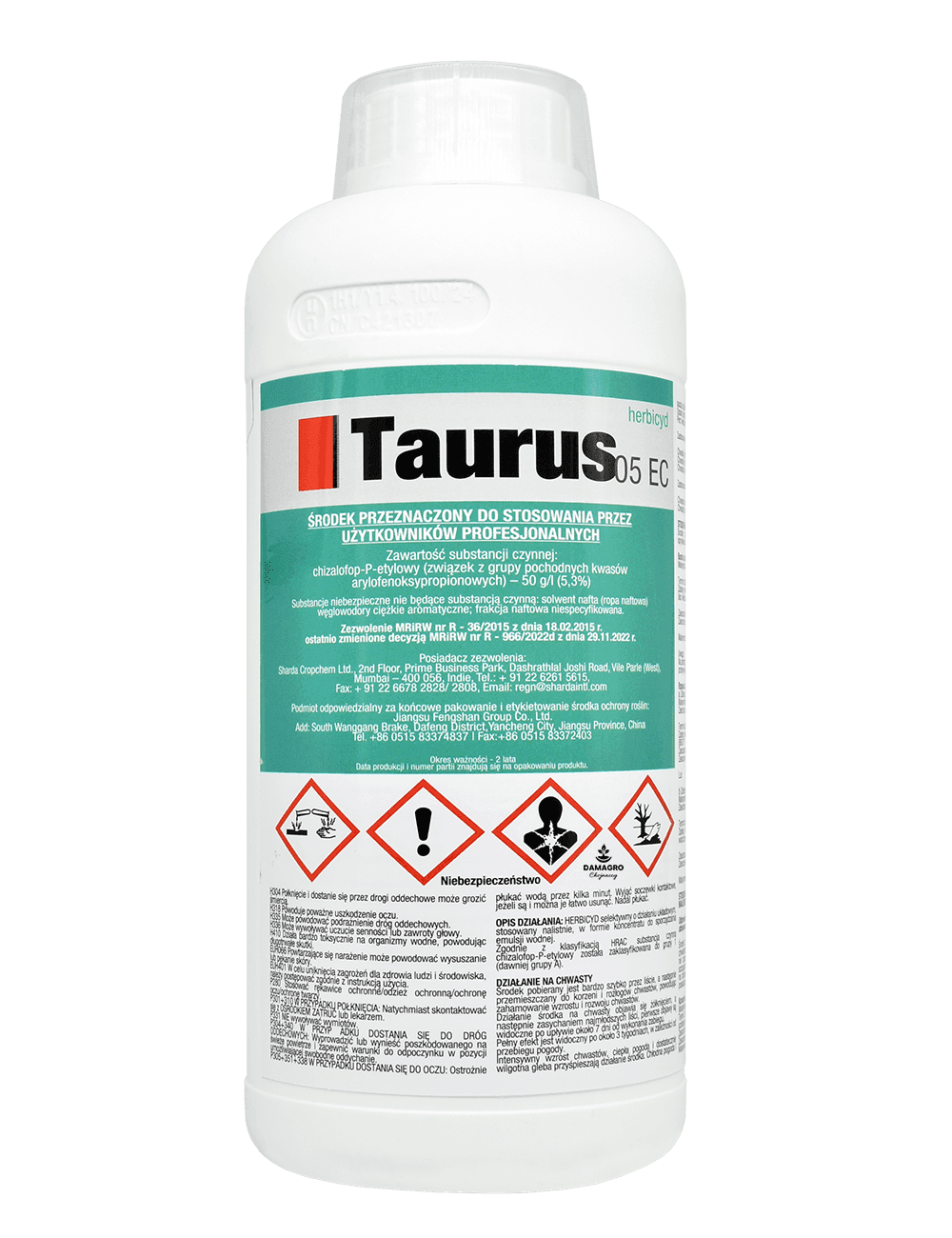
Targa MAX 10 EC
Targa Max 10EC is a professional selective herbicide with systemic action, designed for effective control of troublesome monocotyledonous weeds.
Description
ACTION AND PROPERTIES OF TARGA MAX 10EC:
Targa Max 10EC is a reliable herbicide absorbed through the leaves, which, thanks to its strong systemic action, quickly moves to the roots and rhizomes of weeds. The product rapidly inhibits the growth and development of troublesome monocotyledonous pests. The first visible effects, such as yellowing and then drying of the youngest leaves, appear after about 2-3 weeks. The product is characterised by excellent flexibility – cool weather or periodic drought may only delay its action but do not reduce the final weed control effectiveness.
ACTIVE SUBSTANCE CONTENT:
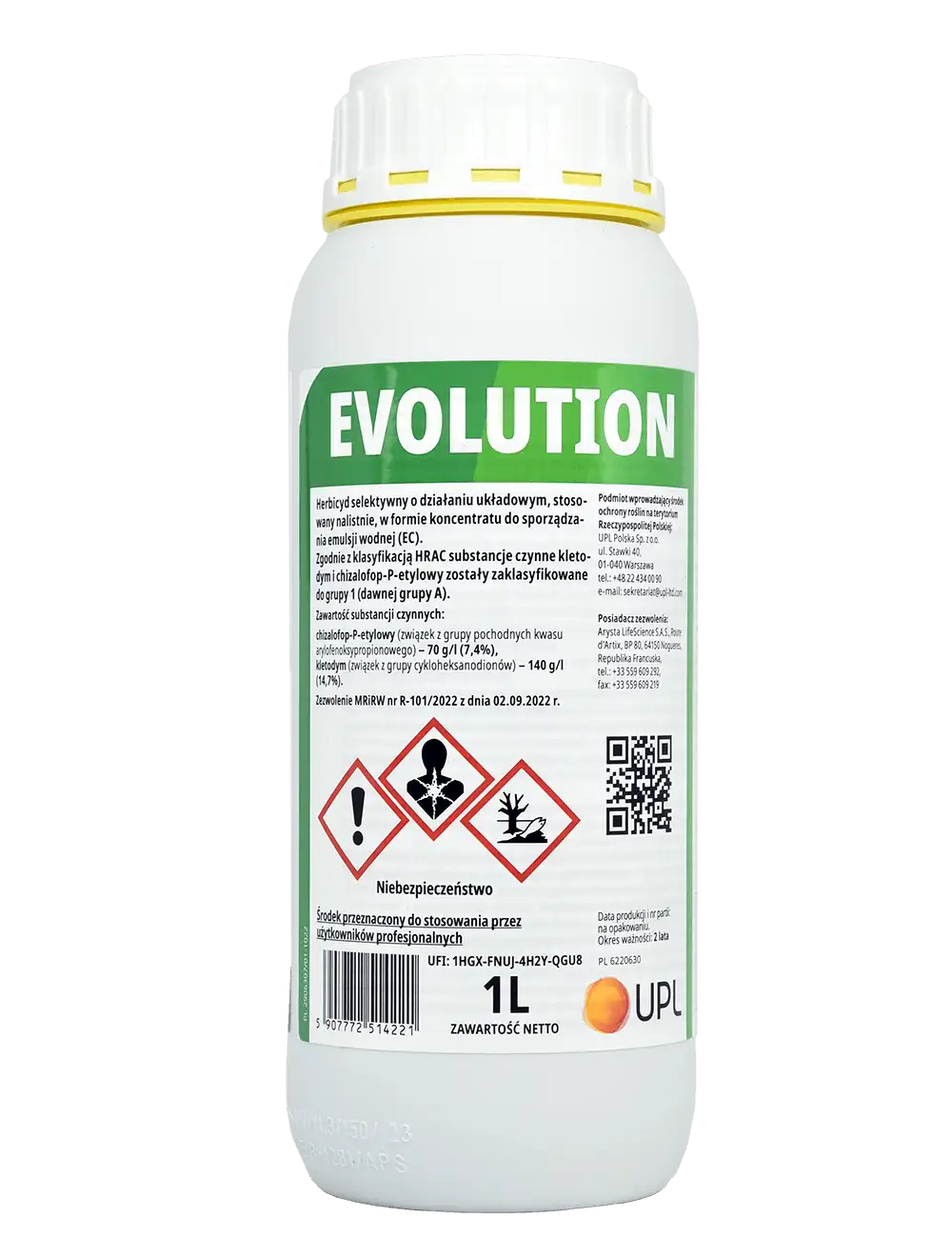
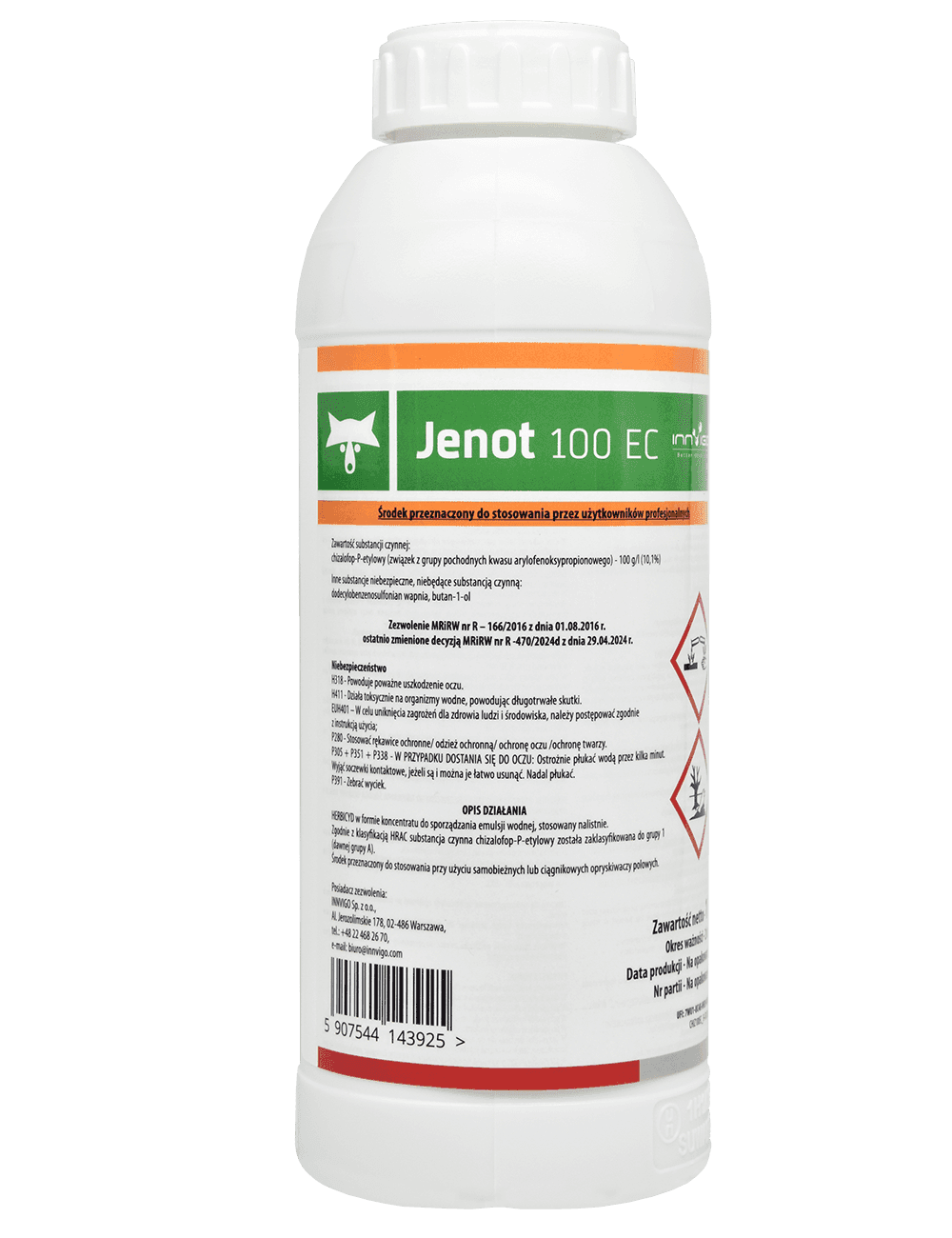
quizalofop-P-ethyl - 100 g/l
Advantages of using Targa Max 10EC herbicide:
- Reliable systemic action: reaches the root system and rhizomes, permanently eliminating the problem of weed regrowth, such as couch grass.
- Resistance to stress conditions: the product maintains full effectiveness even during drought and periods of lower temperatures.
- High crop safety: the product is highly selective, allowing safe control of monocotyledonous weeds without risk of damage to dicotyledonous plants (e.g. oilseed rape or sugar beet).
Pre-harvest interval:
- Carrot - 40 days
- Potato - 45 days
- Sugar beet - 60 days
- Winter oilseed rape - 90 days
TARGA MAX 10EC - SCOPE OF USE, TIMING AND DOSES:
Spectrum of controlled weeds:
- Dose 0.5 - 0.6 l/ha:
Sensitive: slender foxtail, volunteer cereals, wild oats (apply until the beginning of tillering stage). - Dose 1.0 - 1.25 l/ha:
Sensitive: couch grass (apply at 4-6 leaf stage).
Sugar beet (production plantations)
| Controlled pests: | slender foxtail, volunteer cereals, wild oats, couch grass |
| Recommended / maximum dose: | 0.5 - 1.25 l/ha |
| Application timing: | From the stage of visible first pair of undeveloped leaves to the stage before soil surface coverage (BBCH 11-39). Note: Do not apply another herbicide within 3 days after treatment. |
| Maximum number of treatments: | 1 |
| Recommended water volume: | 200-400 l/ha (medium droplet spraying) |
Potato
| Controlled pests: | slender foxtail, volunteer cereals, wild oats, couch grass |
| Recommended / maximum dose: | 0.5 - 1.0 l/ha |
| Application timing: | From the beginning of first leaf development to the stage before complete inter-row coverage (BBCH 10-39), before weeds are covered. Note: Do not apply another herbicide within 21 days after treatment. |
| Maximum number of treatments: | 1 |
| Recommended water volume: | 200-400 l/ha (medium droplet spraying) |
Winter oilseed rape
| Controlled pests: | slender foxtail, volunteer cereals, wild oats, couch grass |
| Recommended / maximum dose: | 0.5 - 1.25 l/ha |
| Application timing: | From the stage of fully developed cotyledons to the stage of visible 9 or more internodes of oilseed rape (BBCH 10-39). Note: Do not apply another herbicide within 14 days after treatment. |
| Maximum number of treatments: | 1 |
| Recommended water volume: | 200-400 l/ha (medium droplet spraying) |
Carrot
| Controlled pests: | slender foxtail, volunteer cereals, wild oats, couch grass |
| Recommended / maximum dose: | 0.5 - 1.25 l/ha |
| Application timing: | From the stage of fully developed cotyledons to the stage when the root reaches typical shape and size (BBCH 10-49). |
| Maximum number of treatments: | 1 |
| Recommended water volume: | 200-400 l/ha (medium droplet spraying) |
Frequently Asked Questions (FAQ) - Targa Max 10EC:
When are the first effects of Targa Max 10EC visible?
The full herbicidal effect of the product, manifested by yellowing and drying of weeds, is usually visible after about 2-3 weeks from spraying. This process may be slightly extended in case of persistent lower temperatures.
Do drought and cool weather affect the herbicide's effectiveness?
Cool weather and periodic drought may delay the product's action, however, according to studies, they do not reduce its final effectiveness in controlling monocotyledonous weeds.