 SKU 43100
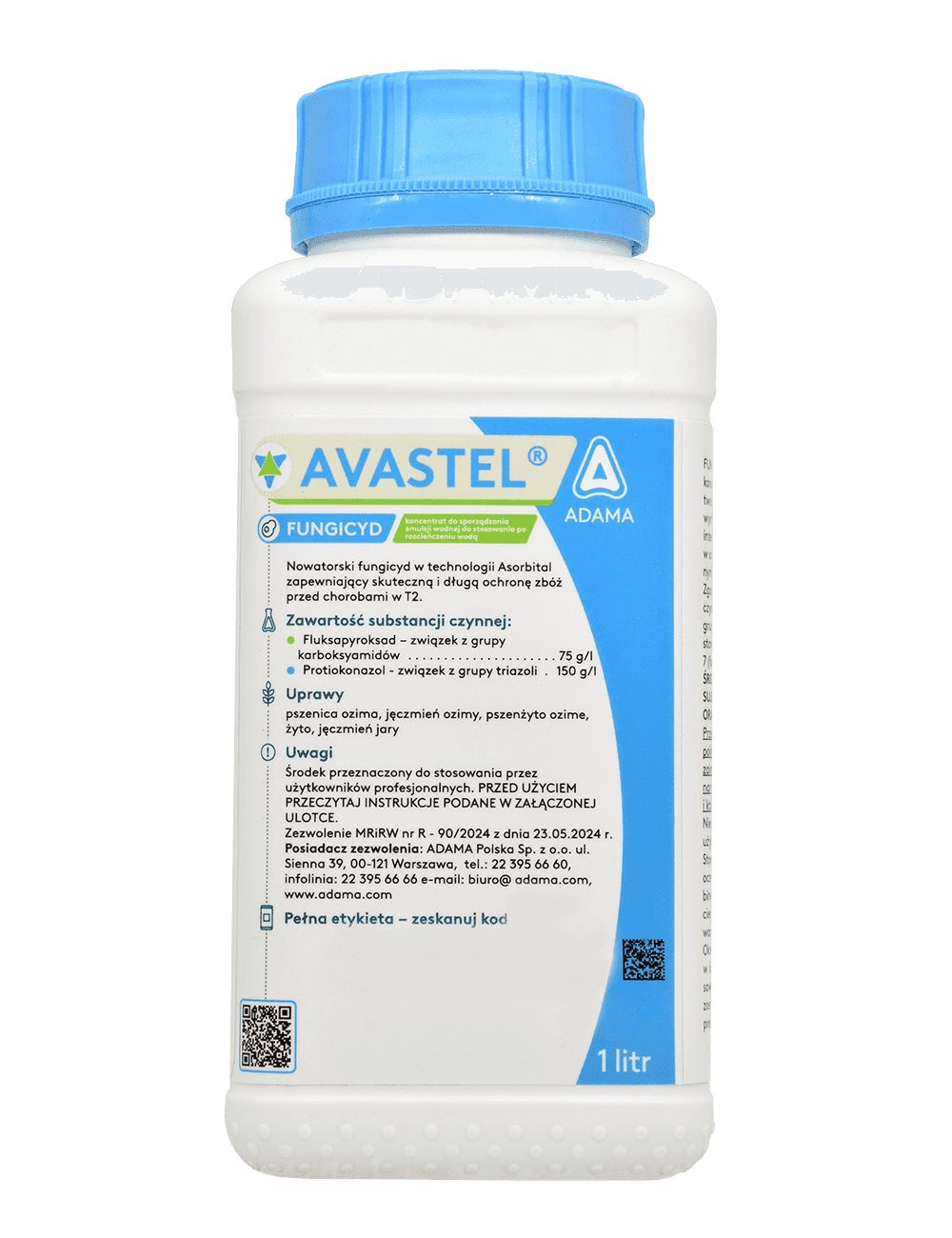
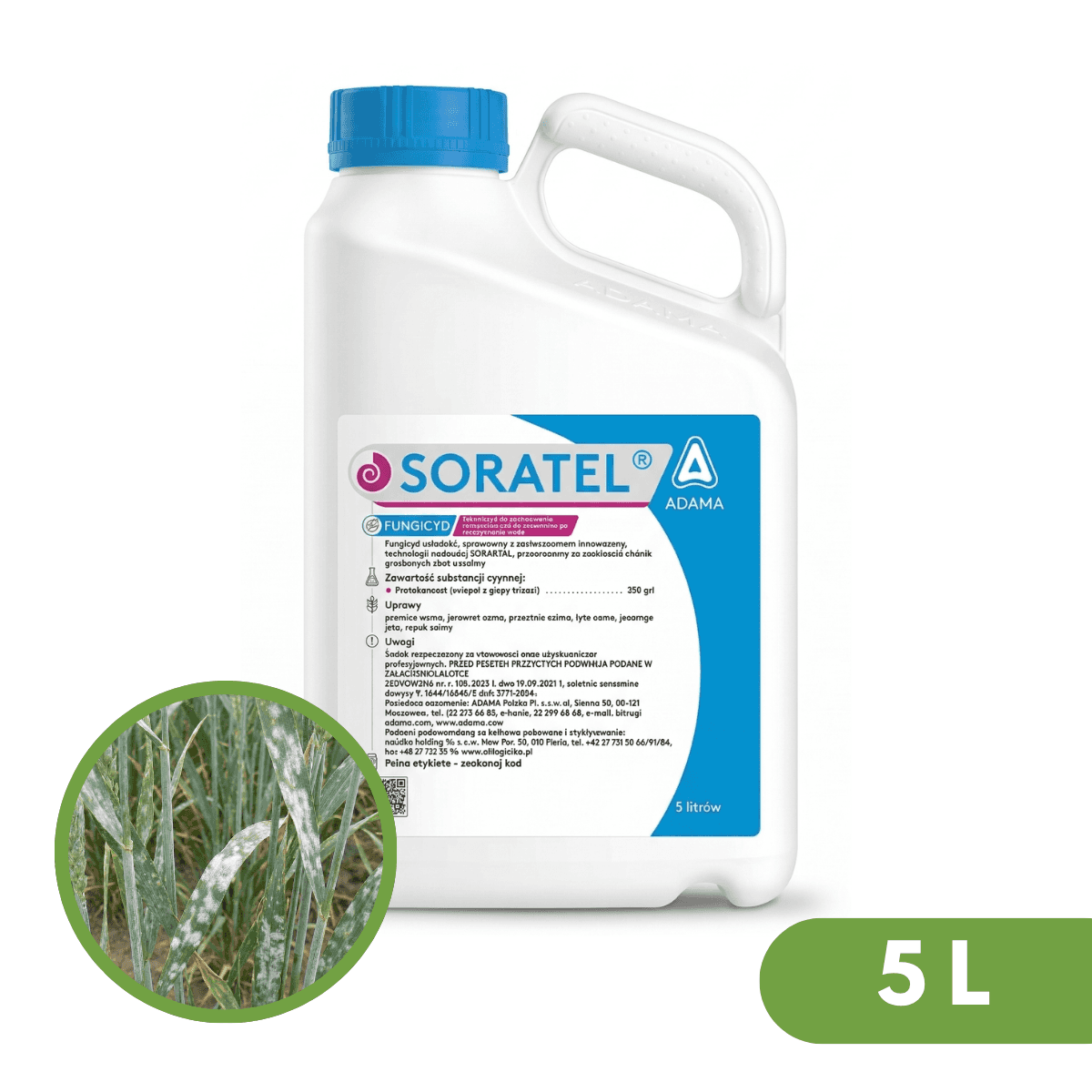
Input Triple 5l (proquinazid, prothioconazole, spiroxamine) Bayer - fungicide
Input Triple Bayer is a fungicide in the form of a concentrate for preparing an aqueous emulsion (EC), intended for protection against fungal diseases in spring and winter arable crops (barley, wheat, triticale and winter rye).
Sold only to professional users with a certificate of competence.
Description
Input Triple Bayer - fungicide
- Effectively protects against fungal diseases - for preventive and curative use.
- Broad spectrum of action - suitable for use in many arable crops.
- In a convenient and efficient concentrate form for preparing an aqueous emulsion.
Input Triple is a fungicide in the form of a concentrate for preparing an aqueous emulsion (EC). It acts systemically. For preventive and curative use in protection against diseases caused by fungi in spring and winter arable crops: barley, wheat, triticale and winter rye.
The product is intended for use with self-propelled or tractor-mounted field sprayers.
Input Triple - mode of action:
The product exhibits systemic action - the active substance penetrates the plant, circulates with the sap and eliminates fungal cells inside the plant.
Input Triple fungicide - active substance content:
- proquinazid (compound from the quinazolin group) - 40 g/l (3.96%),
- prothioconazole (compound from the triazole group) - 160 g/l (15.8%),
- spiroxamine (compound from the ketoamine group) - 200 g/l (19.8%).
According to the FRAC classification, the active substance proquinazid belongs to group 13, prothioconazole belongs to group 3, and spiroxamine belongs to group 5.
Other hazardous substances:
- N,N-Dimethyldecanamide
Input Triple Bayer - controlled fungal diseases:
- Brown leaf spot,
- Stem breakage of cereals and grasses,
- Powdery mildew of cereals and grasses,
- Net blotch of barley,
- Brown rust,
- Rhynchosporium of cereals,
- Striped leaf blotch of wheat,
- Leaf septoria.
Input Triple fungicide - use in crops:
Arable crops:
- Spring barley,
- Winter barley,
- Spring wheat,
- Winter wheat,
- Spring triticale,
- Winter triticale,
- Winter rye.
Input Triple Bayer fungicide - pre-harvest interval, re-entry period, succeeding crops:
Pre-harvest interval - period from the last application of the product to the day of crop harvest:
- winter wheat, spring wheat, spring barley, winter barley, winter triticale, spring triticale, winter rye - 35 days.
Pre-harvest interval for fodder - period from the last application of the product on plants intended for fodder to the day when animals can be fed with these plants (pre-harvest interval for fodder):
- Not applicable.
Re-entry period - period from product application to the day when people and animals may enter the treated area:
- Do not enter until the spray liquid on the plant surface is completely dry.
Period from the last application of the product on plants to the day when succeeding crops can be sown or planted:
- Not applicable.
Input Triple fungicide - preparation of spray liquid:
Prepare the spray liquid immediately before use. Before preparing the spray liquid, carefully determine the required volume along with the amount of product. When filling the sprayer, follow the sprayer manufacturer's instructions. If no instructions are available, add the measured amount of product to the sprayer tank partially filled with water (with the agitator on). Rinse empty containers three times with water and pour the rinsate into the sprayer tank with the spray liquid, top up with water to the required volume and mix thoroughly. After adding the product to a sprayer tank without a hydraulic agitator, mix the liquid mechanically. In case of interruptions during spraying, mix the spray liquid thoroughly before resuming work.
Input Triple Bayer plant protection product - usage instructions:
- The product used at recommended doses (1.0-1.25 l/ha) shows a moderate level of control of brown leaf spot in spring wheat and spring triticale.
- The product at a dose of 1.0 l/ha shows a moderate level of control of: brown leaf spot in winter wheat and winter rye, net blotch of barley in spring barley, and leaf septoria in winter triticale.
- The product at a dose of 1.0 l/ha shows a moderate level of control of stem breakage of cereals and grasses in winter triticale and winter rye and reduces the occurrence of this disease in winter wheat.
- For control of stem breakage of cereals and grasses, it is recommended to apply the product up to the 2nd node stage (BBCH 32).
- Thoroughly cover the entire plant surface with the spray liquid.
- During application, avoid:
– drift of spray liquid onto neighbouring crop plantations,
– overlapping of spray liquid at the edges of treatment strips and headlands. - The product contains three active substances with different modes of action (preventive, curative and/or eradicative) and different mechanisms of action: spiroxamine from the ketoamine group (fungicides inhibiting sterol biosynthesis - reductase and isomerase inhibitors, SBI II - amines, FRAC group 5), prothioconazole from the triazole group (fungicides inhibiting sterol biosynthesis - demethylation inhibitors, SBI I - DMI, FRAC group 3), proquinazid from the quinazolin group (fungicides inhibiting signal transduction in fungal cells, FRAC group 13). As part of resistance management strategy, it is recommended, among others:
− to use the product mainly for preventive treatments or in the early stage of disease development,
− not to use the product at doses other than those recommended,
− not to exceed the maximum number of applications indicated on the label. - If further fungicide treatments are necessary, use products containing active substances from different groups with different mechanisms of action (alternating use).
- Keep out of reach of children.
- Store the plant protection product:
− in original packaging,
− in a manner preventing contact with food, beverages or fodder, environmental contamination and access by unauthorized persons,
− at temperatures between 0°C and 30°C.
Warning! Plant protection products must be used safely. Before each use, read the information on the label and product information.
The purchaser declares that they meet the conditions specified in Article 25 paragraph 3 point 5 of the Act of 8 March 2013 on plant protection products and have training in the use of plant protection products in the case of products for professional users. Before each use, read the information on the label and product information. Pay attention to detailed risk indications. Follow the safety rules contained on the label. Plant protection products may only be purchased by adults and persons who have completed training and have the qualifications required for persons purchasing plant protection products (Article 28 of the Act on plant protection products of 8 March 2013 as amended). Plant protection products must be used in a way that does not pose a threat to human health, animals or the environment. The purchaser of plant protection products must be sober. By using this offer, you declare that you meet the above conditions.
Application and dosage
|
Crop |
Target Pest Control |
How to apply? Dosage |
When to apply? |
|---|---|---|---|
|
Winter wheat |
powdery mildew of cereals and grasses, stem breakage of cereals and grasses, striped leaf blotch of wheat, brown leaf spot |
Maximum dose for single application: 1.25 l/ha Recommended dose for single application: 1.0-1.25 l/ha Maximum number of treatments per growing season: 1 Recommended water volume: 150-400 l/ha Recommended spraying: fine droplets. |
Application timing: Use preventively or at the first symptoms of disease, from the beginning of stem elongation to the stage when the first awns are visible (final stage of ear development in the leaf sheath) (BBCH 30-49). |
|
Winter barley |
powdery mildew of cereals and grasses, stem breakage of cereals and grasses |
Maximum / recommended dose for single application: 1.25 l/ha. Maximum number of treatments per growing season: 1. Recommended water volume: 150-400 l/ha. Recommended spraying: fine droplets. |
Application timing: Use preventively or at the first symptoms of disease, from the beginning of stem elongation to the stage when the first awns are visible (final stage of ear development in the leaf sheath) (BBCH 30-49). |
|
Winter barley |
net blotch of barley |
Maximum dose for single application: 1.25 l/ha. Recommended dose for single application: 1.0-1.25 l/ha. Maximum number of treatments per growing season: 1. Recommended water volume: 150-400 l/ha. Recommended spraying: fine droplets. |
Application timing: Use preventively or at the first symptoms of disease, from the beginning of stem elongation to the stage when the first awns are visible (final stage of ear development in the leaf sheath) (BBCH 30-49). |
|
Winter triticale |
rhynchosporium of cereals |
Maximum / recommended dose for single application: 1.25 l/ha. Maximum number of treatments per growing season: 1 Recommended water volume: 150-400 l/ha Recommended spraying: fine droplets. |
Application timing: Use preventively or at the first symptoms of disease, from the beginning of stem elongation to the stage when the first awns are visible (final stage of ear development in the leaf sheath) (BBCH 30-49). |
|
Winter triticale |
powdery mildew of cereals and grasses, stem breakage of cereals and grasses, leaf septoria, brown leaf spot |
Maximum dose for single application: 1.25 l/ha Recommended dose for single application: 1.0-1.25 l/ha Maximum number of treatments per growing season: 1 Recommended water volume: 150-400 l/ha Recommended spraying: fine droplets. |
Application timing: Use preventively or at the first symptoms of disease, from the beginning of stem elongation to the stage when the first awns are visible (final stage of ear development in the leaf sheath) (BBCH 30-49). |
|
Winter rye |
powdery mildew of cereals and grasses, stem breakage of cereals and grasses, brown rust of rye, rhynchosporium of cereals, brown leaf spot |
Maximum dose for single application: 1.25 l/ha Recommended dose for single application: 1.0-1.25 l/ha Maximum number of treatments per growing season: 1 Recommended water volume: 150-400 l/ha Recommended spraying: fine droplets. |
Application timing: Use preventively or at the first symptoms of disease, from the beginning of stem elongation to the stage when the first awns are visible (final stage of ear development in the leaf sheath) (BBCH 30-49). |
|
Spring wheat |
powdery mildew of cereals and grasses, striped leaf blotch of wheat, brown leaf spot |
Maximum dose for single application: 1.25 l/ha Recommended dose for single application: 1.0-1.25 l/ha Maximum number of treatments per growing season: 1 Recommended water volume: 150-400 l/ha Recommended spraying: fine droplets. |
Application timing: Use preventively or at the first symptoms of disease, from the beginning of stem elongation to the stage when the first awns are visible (final stage of ear development in the leaf sheath) (BBCH 30-49). |
|
Spring barley |
powdery mildew of cereals and grasses, rhynchosporium of cereals |
Maximum / recommended dose for single application: 1.25 l/ha. Maximum number of treatments per growing season: 1 Recommended water volume: 150-400 l/ha Recommended spraying: fine droplets. |
Application timing: Use preventively or at the first symptoms of disease, from the beginning of stem elongation to the stage when the first awns are visible (final stage of ear development in the leaf sheath) (BBCH 30-49). |
|
Spring barley |
net blotch of barley |
Maximum dose for single application: 1.25 l/ha Recommended dose for single application: 1.0-1.25 l/ha. Maximum number of treatments per growing season: 1 Recommended water volume: 150-400 l/ha Recommended spraying: fine droplets. |
Application timing: Use preventively or at the first symptoms of disease, from the beginning of stem elongation to the stage when the first awns are visible (final stage of ear development in the leaf sheath) (BBCH 30-49). |
|
Spring triticale |
brown leaf spot |
Maximum / recommended dose for single application: 1.25 l/ha Recommended dose for single application: 1.0-1.25 l/ha Maximum number of treatments per growing season: 1 Recommended water volume: 150-400 l/ha Recommended spraying: fine droplets. |
Application timing: Use preventively or at the first symptoms of disease, from the beginning of stem elongation to the stage when the first awns are visible (final stage of ear development in the leaf sheath) (BBCH 30-49). |