 SKU 17238-c
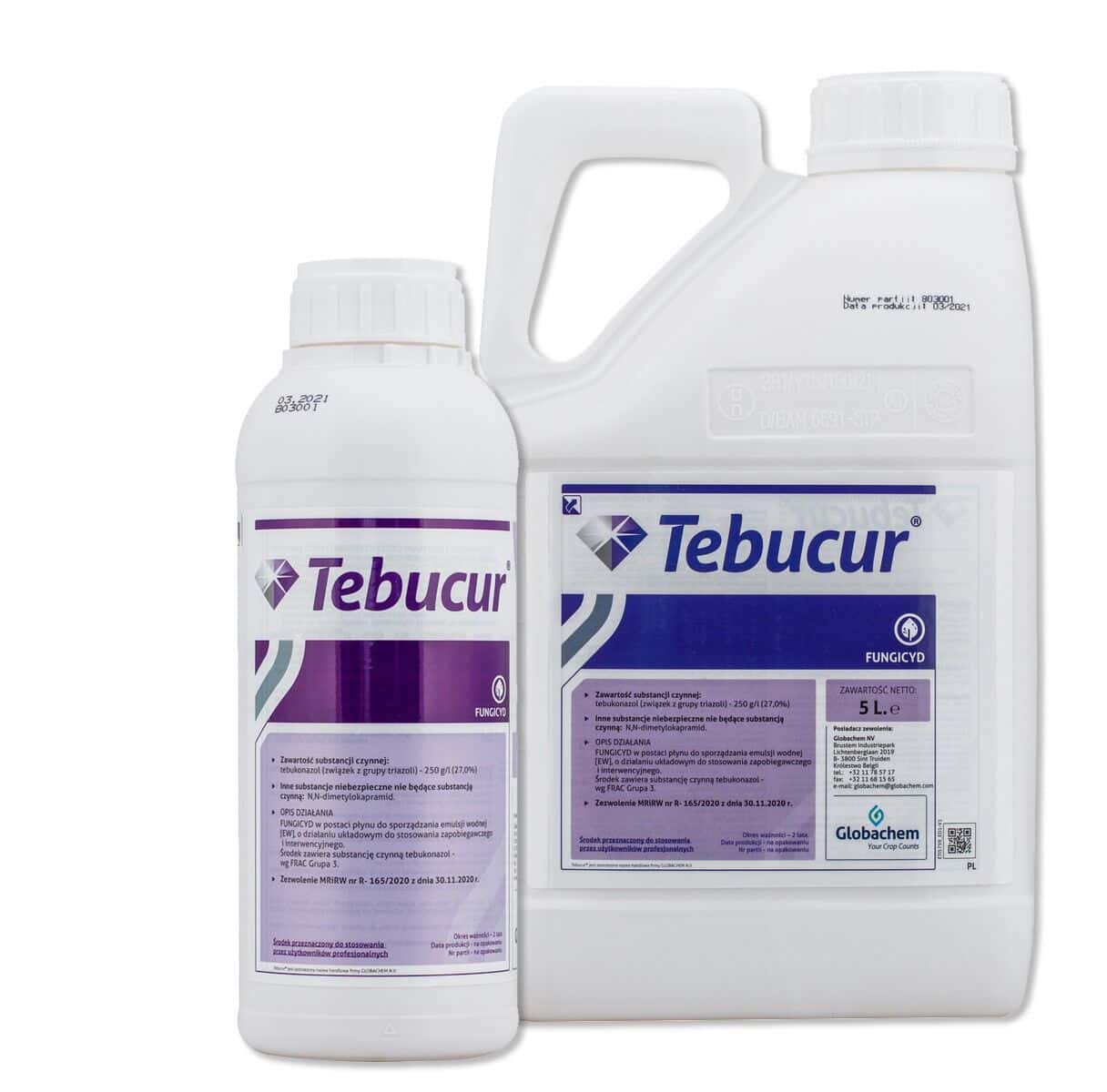
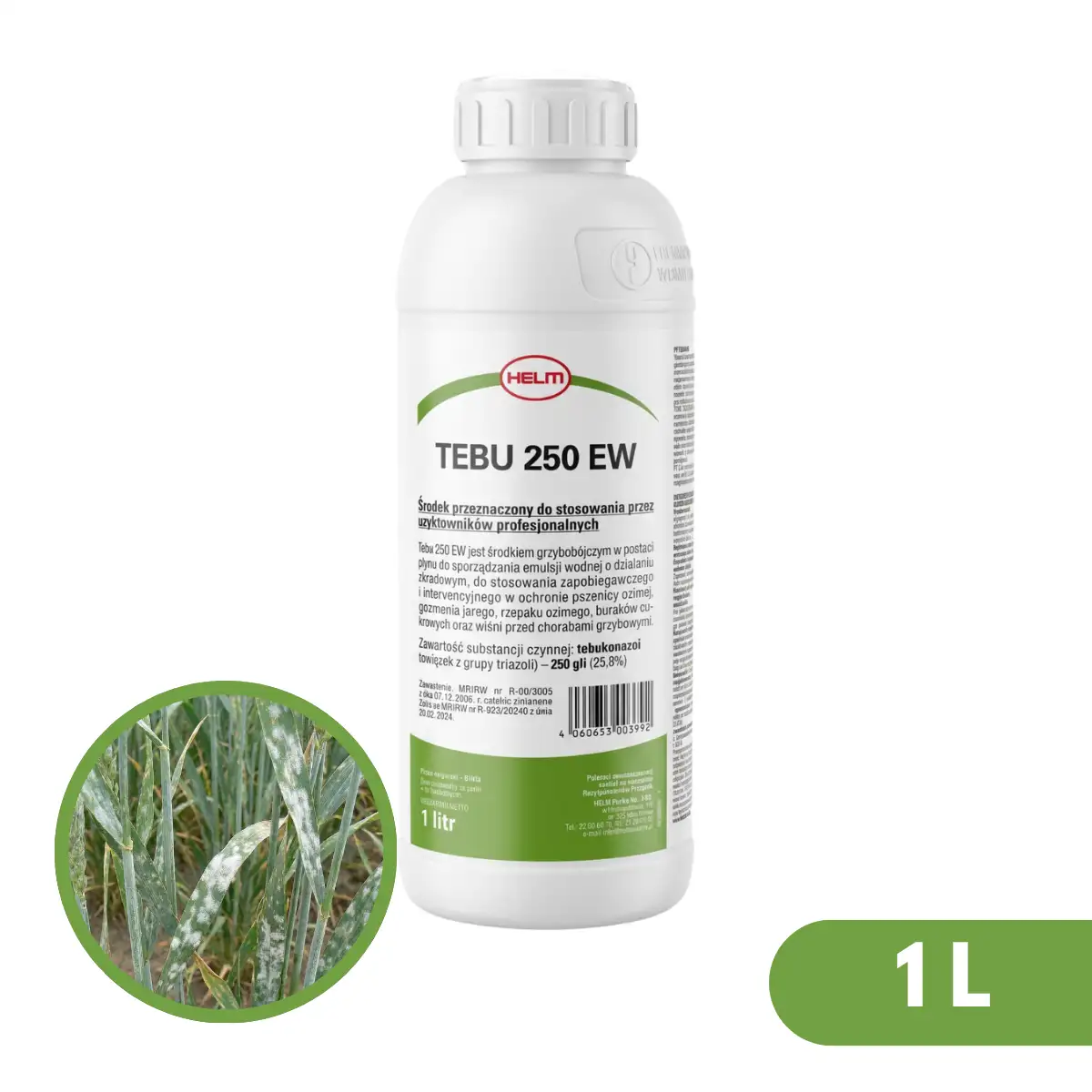
Orius Extra 250 EW (tebuconazole) - fungicide
Orius Extra 250 EW is a fungicide, a plant protection product with fungicidal action, designed for the protection of cereals. It has systemic action, meaning it works inside the plant.
Description
Orius Extra 250 EW - fungicide - cereal protection
What are the benefits of using the plant protection product Orius Extra 250 EW?
- It has systemic action,
- You can use it both preventively and interventively,
- Dedicated to cereals,
- Effective fungicide (fungicidal product),
- Shows a beneficial effect on plant development,
- Greater chance of good overwintering of the crop,
- Reduces the risk of lodging,
- Increases yield efficiency,
- In a convenient emulsion form.
Orius Extra 250 EW is a plant protection product from the group of fungicides (fungicidal products). It is available in oil-in-water emulsion form for preparing water emulsions (EW).
It exhibits systemic action.
It is intended for preventive and interventive use.
You can use it in the cultivation and primarily protection of winter wheat, spring barley, winter barley and winter oilseed rape. It protects winter and spring cereals against fungal diseases.
The product is intended for use with field sprayers.
What is the content of active substances in the fungicide Orius Extra?
- Tebuconazole (fungicide from the triazole group) - 250 g/l (26.02%).
In which crops can the plant protection product Orius Extra be used?
- Winter wheat,
- Winter oilseed rape,
- Winter barley,
- Spring barley.
Against which diseases does the fungicide Orius Extra protect?
- Winter wheat: powdery mildew of cereals and grasses, brown rust, septoria leaf blotch, fusarium ear blight,
- Winter barley, spring barley: powdery mildew of cereals and grasses, barley rust, barley net blotch,
- Winter oilseed rape: dry cabbage rot, blackleg, grey mould, sclerotinia stem rot.
How to use the fungicide Orius Extra?
Detailed information regarding dosage and use of the plant protection product Orius Extra can be found in the "Dosage" section and in the plant protection product label attached in the downloadable files.
What are the pre-harvest interval, pre-entry interval and crop rotation restrictions when using the fungicide Orius Extra?
During the pre-entry interval, i.e. from the application of the product until the day when people and animals may enter the treated area, entry is prohibited until the spray liquid on the plant surfaces has completely dried.
The pre-harvest interval, i.e. the period from the last application to the day of crop harvest for Orius Extra is:
- wheat, barley - not applicable,
- oilseed rape - 56 days.
The pre-harvest interval for fodder (the period from the last application on plants intended for fodder to the day animals can be fed with these plants) does not apply to Orius Extra. Likewise, the period from the last application to the day when succeeding crops can be sown or planted does not apply.
What are the recommendations when using spray liquid prepared with Orius Extra?
- Use the product alternately with fungicides containing active substances from other chemical groups with different modes of action.
- Use the product at temperatures above 12ºC.
- Under conditions of high incidence of dry cabbage rot, reduced efficacy of the product cannot be excluded.
- The product may only limit the occurrence of fusarium ear blight on winter wheat.
More information can be found in the Orius Extra product label attached in the downloadable files.
We invite you to learn more about the use of the plant protection product Orius Extra on the Agricultural Advisor website:
- Expand your knowledge about seed treatment products,
- Learn more about seeds,
- Discover the secrets of fungicides,
- Read agricultural bulletins.
Warning! Plant protection products must be used safely. Before each use, read the information on the label and product information.
The buyer declares that they meet the conditions specified in Article 25 paragraph 3 point 5 of the Act of 8 March 2013 on plant protection products and has training in the use of plant protection products in the case of products for professional users. Before each use, read the information on the label and product information. Pay attention to detailed risk indications. Follow the safety rules contained in the label. Plant protection products may only be purchased by adults and persons who have completed training and have the qualifications required for persons acquiring plant protection products (Article 28 of the Act on plant protection products of 8 March 2013 as amended). Plant protection products must be used in a way that does not pose a threat to human health, animals or the environment. The buyer of plant protection products must be sober. By using this offer, you declare that you meet the above conditions.
Application and dosage
|
Crop |
Control of Pest |
How to use? Dosage |
When to apply? |
|---|---|---|---|
|
winter wheat |
powdery mildew of cereals and grasses, brown rust, septoria leaf blotch, fusarium ear blight |
Maximum/recommended dose for single application: 1.0 l/ha Maximum number of treatments per growing season: 1. |
Application timing: Use the product from the beginning of stem elongation to the end of flowering (BBCH 30-69), preventively or immediately after the first symptoms of diseases appear. |
|
winter barley, spring barley |
powdery mildew of cereals and grasses, barley rust, barley net blotch |
Maximum/recommended dose for single application: 1.0 l/ha Maximum number of treatments per growing season: 1. |
Application timing: Use the product from the beginning of stem elongation to the end of flowering (BBCH 30-69), preventively or immediately after the first symptoms of diseases appear. |
|
winter oilseed rape |
dry rot, dry cabbage rot, blackleg, grey mould, sclerotinia stem rot, blackleg |
Maximum/recommended dose for single application: 1.0 l/ha Maximum number of treatments per growing season: 2 (1 treatment in autumn and 1 treatment in spring) every 3 years. |
Application timing: Use the product preventively or immediately after the first symptoms of diseases in autumn at the 2-8 leaf stage of oilseed rape (BBCH 12-18) |