 SKU 13169-c
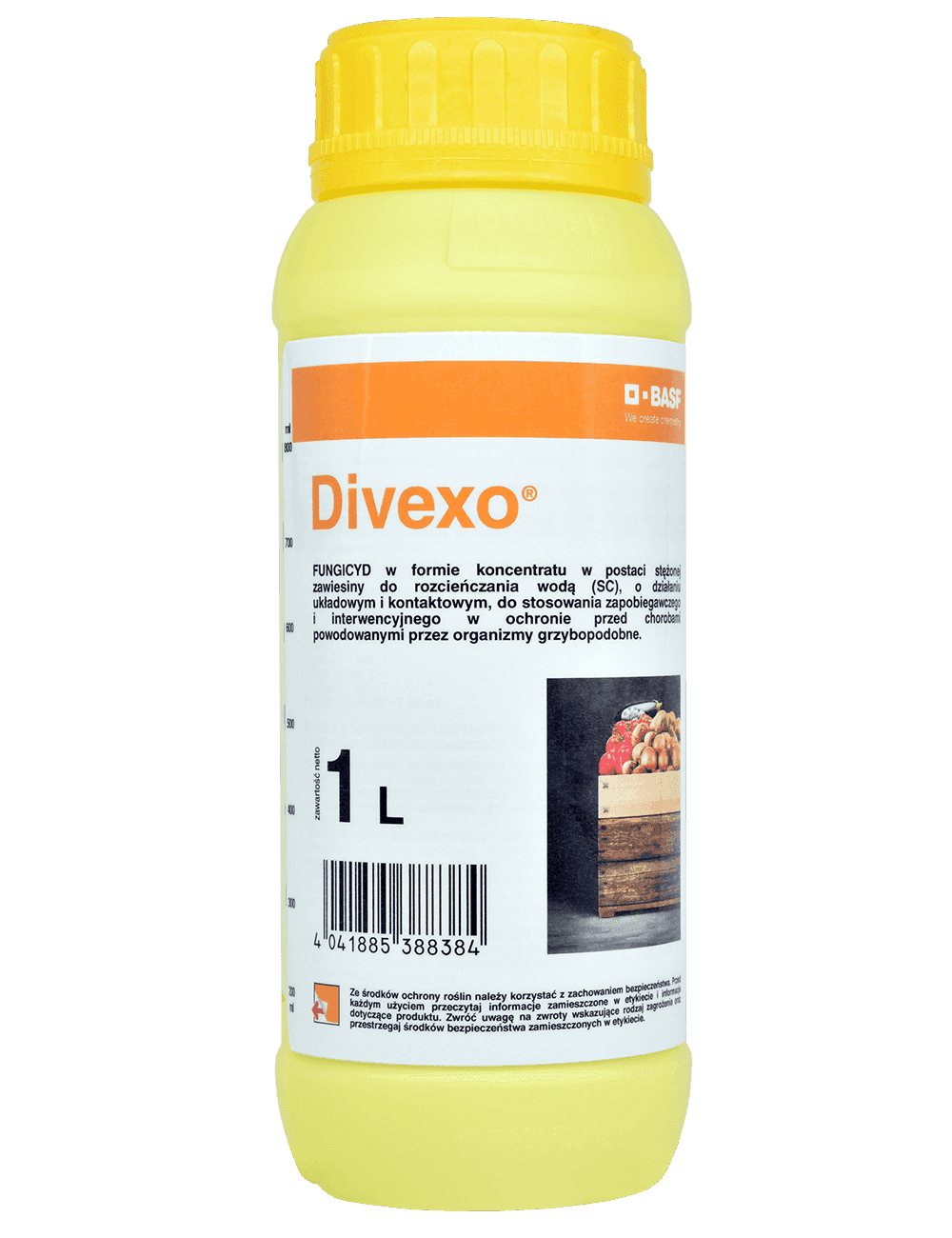
Revus 250 SC
REVUS 250 SC is a fungicide in the form of a concentrate for dilution with water, possessing systemic and contact action. It is used preventively and interventively in the protection of potatoes against potato late blight and outdoor tomatoes against fungal diseases.
Description
REVUS 250 SC is a fungicide, a highly selective concentrate in the form of a concentrated suspension for dilution with water, with systemic and contact action, mainly for preventive and interventive use in the protection of potato against potato late blight and outdoor tomatoes against fungal diseases.
The Revus 250 SC product is intended for use with handheld and field sprayers.
Revus 250 SC - active substance content:
- mandipropamid (compound from the amide group) – 250 g/l (23.4%)
Fungicide Revus 250 SC - application in crops:
- chicory,
- spinach,
- red beet leaves,
- leaf beet,
- tomato,
- aubergine,
- eggplant,
- lettuce,
- arugula,
- rocket salad,
- endive,
- escarole,
- white mustard,
- garden cress,
- garden cress,
- melon,
- pumpkin,
- pattypan squash,
- zucchini,
- watermelon,
- leaf parsley,
- herbs,
- broccoli,
- cauliflower,
- Brussels sprouts,
- green pea,
- lamb's lettuce,
- leaf parsley,
- herbs,
- radish,
- hop,
- potato,
- outdoor tomato.
Fungicide Revus 250 SC - controlled fungal diseases:
- phytophthora,
- downy mildew,
- potato late blight.
Warning! Plant protection products must be used safely. Before each use, read the information on the label and product information.
The buyer declares that they meet the conditions specified in Article 25 paragraph 3 point 5 of the Act of 8 March 2013 on plant protection products and have training in the use of plant protection products in the case of products for professional users. Before each use, read the information on the label and product information. Attention should be paid to detailed risk indications. Safety rules contained in the label must be followed. Plant protection products may only be purchased by adults and persons who have completed training and have the qualifications required for persons purchasing plant protection products (Article 28 of the Act on plant protection products of 8 March 2013 as amended). Plant protection products must be used in a way that does not pose a threat to human health, animals, or the environment. The buyer of plant protection products must be sober. By using this offer, you declare that you meet the above conditions.
Application and dosage
|
Crop |
Pest control |
How to use? Dosage |
When to apply? |
|---|---|---|---|
|
courgette grown under covers and in greenhouses |
downy mildew |
Maximum/recommended dose for single application: 0.6 l/ha. Maximum number of treatments per growing season: 4. Recommended water volume: 3-6 litres /100m2 Adjust water volume to plant size and density. |
Treatments should be performed preventively or interventively, after the first symptoms of the disease appear, from the stage of developed first true leaf on the main shoot to the end of seed and fruit ripening stage (BBCH 11-89). |
|
spinach, red beet leaves, leaf beet |
downy mildew |
Maximum/recommended dose for single application: 0.6 l/ha. Maximum number of treatments per growing season: 2. Recommended water volume: 2-6 litres /100m2 |
Use the product in case of infection risk or after the first symptoms of the disease appear, after crop emergence from the 4-leaf stage until the plant reaches 50% of the typical leaf mass for the variety (BBCH 14-45). |
|
tomato, aubergine, eggplant |
potato late blight |
Maximum/recommended dose for single application: 0.6 l/ha. Maximum number of treatments per growing season: 4. Recommended water volume (covers, greenhouses): 2-12 litres /100m2 |
Perform the first treatment preventively, according to forecasting or interventively after the first symptoms of the disease appear in the area, from April to October, from the stage of developed first true leaf on the main shoot to the end of fruit ripening stage (BBCH 11-89). |
|
potato |
potato late blight - haulm and tubers |
Maximum/recommended dose for single application: 0.6 l/ha. Maximum number of treatments per growing season: 6. Recommended water volume: 2-8 litres /100m2 |
The product should be used preventively and interventively, not earlier than from the beginning of row closure stage to the end of the beginning of leaf yellowing stage (BBCH 31 - 91), according to forecasting or when: on late varieties, when symptoms of the disease appear in the area on early varieties. |
|
broccoli, cauliflower, Brussels sprouts grown in the field |
downy mildew |
Maximum/recommended dose for single application: 0.6 l/ha. Maximum number of treatments per growing season: 2. Recommended water volume: 2-8 l/100m2 |
Use the product in case of infection risk or after the first symptoms of the disease appear, after crop emergence from the 6-leaf stage until the end of development of parts intended for harvest (BBCH 16-49). |
|
green pea shelling grown in the field |
downy mildew |
Maximum/recommended dose for single application: 0.6 l/ha. Maximum number of treatments per growing season: 2. Recommended water volume: 2-8 l/100m2 |
Use the product in case of infection risk or after the first symptoms of the disease appear, after crop emergence from the visible third internode stage on the main shoot until the end of inflorescence development - visible first petals (BBCH 35-59). |
|
melon, pumpkin, pattypan squash, zucchini, watermelon grown under covers and in greenhouses |
downy mildew |
Maximum/recommended dose for single application: 0.6 l/ha. Maximum number of treatments per growing season: 4. Recommended water volume: 6-12 l/100m2 |
Treatments should be performed preventively or interventively, after the first symptoms of the disease appear, from the stage of developed first true leaf on the main shoot (BBCH 11) to the end of seed and fruit ripening stage (BBCH 89). |
|
outdoor tomato |
potato late blight |
Maximum/recommended dose for single application: 0.6 l/ha. Maximum number of treatments per growing season: 4. Recommended water volume: 4-12 litres /100m2. |
Perform the first treatment preventively, according to forecasting and interventively or after the first symptoms of diseases appear in the area, from April to October, from the stage of developed first true leaf on the main shoot to the end of fruit ripening stage (BBCH 11-89). Treatments should be performed at intervals of 7 days, maximum 4 times per growing season (alternating with fungicides with a different mode of action). |
|
Lettuces, arugula (rocket salad), endive, escarole, white mustard (grown for young leaves), |
downy mildew |
Maximum/recommended dose for single application: 0.6 l/ha. Maximum number of treatments per growing season: 2. Recommended water volume: 2-10 litres /100m2. |
Treatments should be performed preventively or interventively, after the first symptoms of the disease appear, from the stage of developed fifth true leaf to the end of development of the plant part intended for harvest (BBCH 15 - 49 – typical leaf mass achieved), and for vegetable plants grown for young leaves – up to the eighth leaf stage (BBCH 15-18). |
|
lettuces, arugula (rocket salad), endive, escarole, white mustard (grown for young leaves), |
downy mildew |
Maximum/recommended dose for single application: 0.6 l/ha. Maximum number of treatments per growing season: 1. Recommended water volume: 2-10 litres /100m2. |
Treatment should be performed in case of infection risk or after the first symptoms of the disease appear, from the stage of developed first true leaf to the end of development of the plant part intended for harvest (BBCH 11-49 – typical leaf mass achieved), and for vegetable plants grown for young leaves – up to the eighth leaf stage (BBCH 11-18). |
|
leaf parsley, fresh herbs grown under covers and in greenhouses |
downy mildew |
Maximum/recommended dose for single application: 0.6 l/ha. Maximum number of treatments per growing season: 1. Recommended water volume: 2-6 litres /100m2. |
Treatment should be performed preventively or interventively, after the first symptoms of the disease appear, from the stage of developed first true leaf to the end of shoot elongation stage (BBCH 11-39). |
|
leaf parsley, fresh herbs grown in the field |
downy mildew |
Maximum/recommended dose for single application: 0.6 l/ha. Maximum number of treatments per growing season: 2. Recommended water volume: 2-6 litres /100m2. |
Treatment should be performed preventively or interventively, after the first symptoms of the disease appear, from the stage of developed first true leaf to the end of shoot elongation stage (BBCH 11-39). |
|
radish grown in the field |
downy mildew |
Maximum/recommended dose for single application: 0.6 l/ha. Maximum number of treatments per growing season: 2. Recommended water volume: 2-6 litres /100m2. |
Use the product in case of infection risk or after the first symptoms of the disease appear, after crop emergence from the 2-leaf stage until the end of development of parts intended for harvest (BBCH 12-49). |