 SKU 30743-c
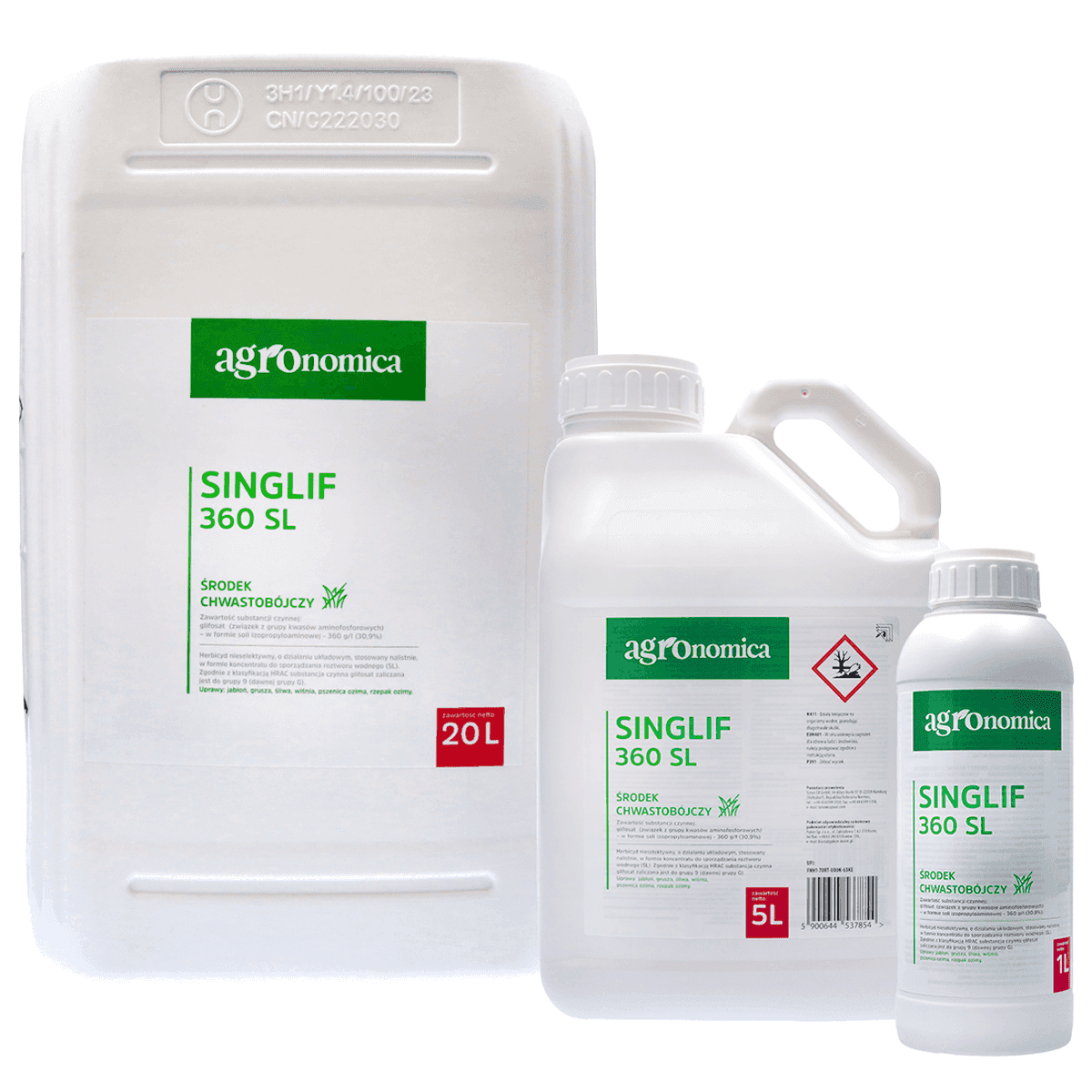
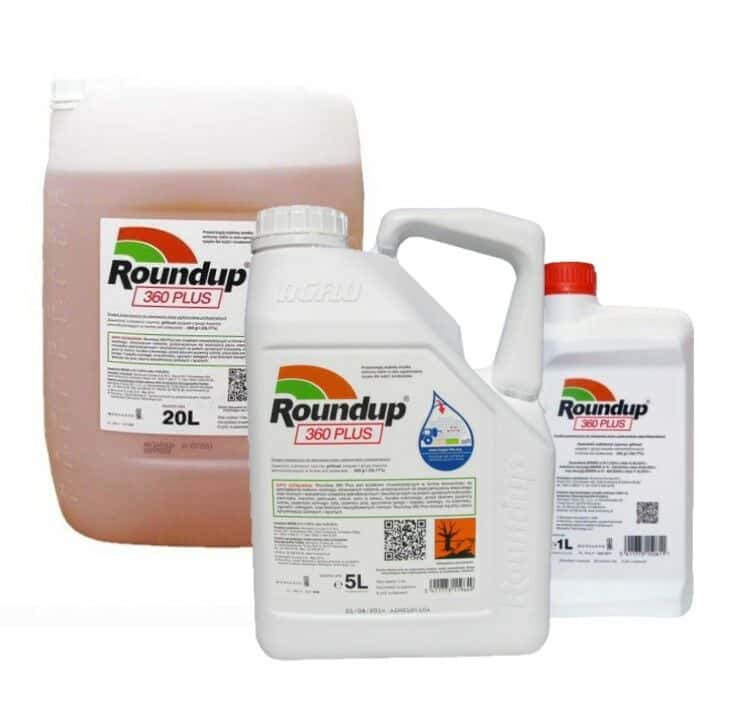
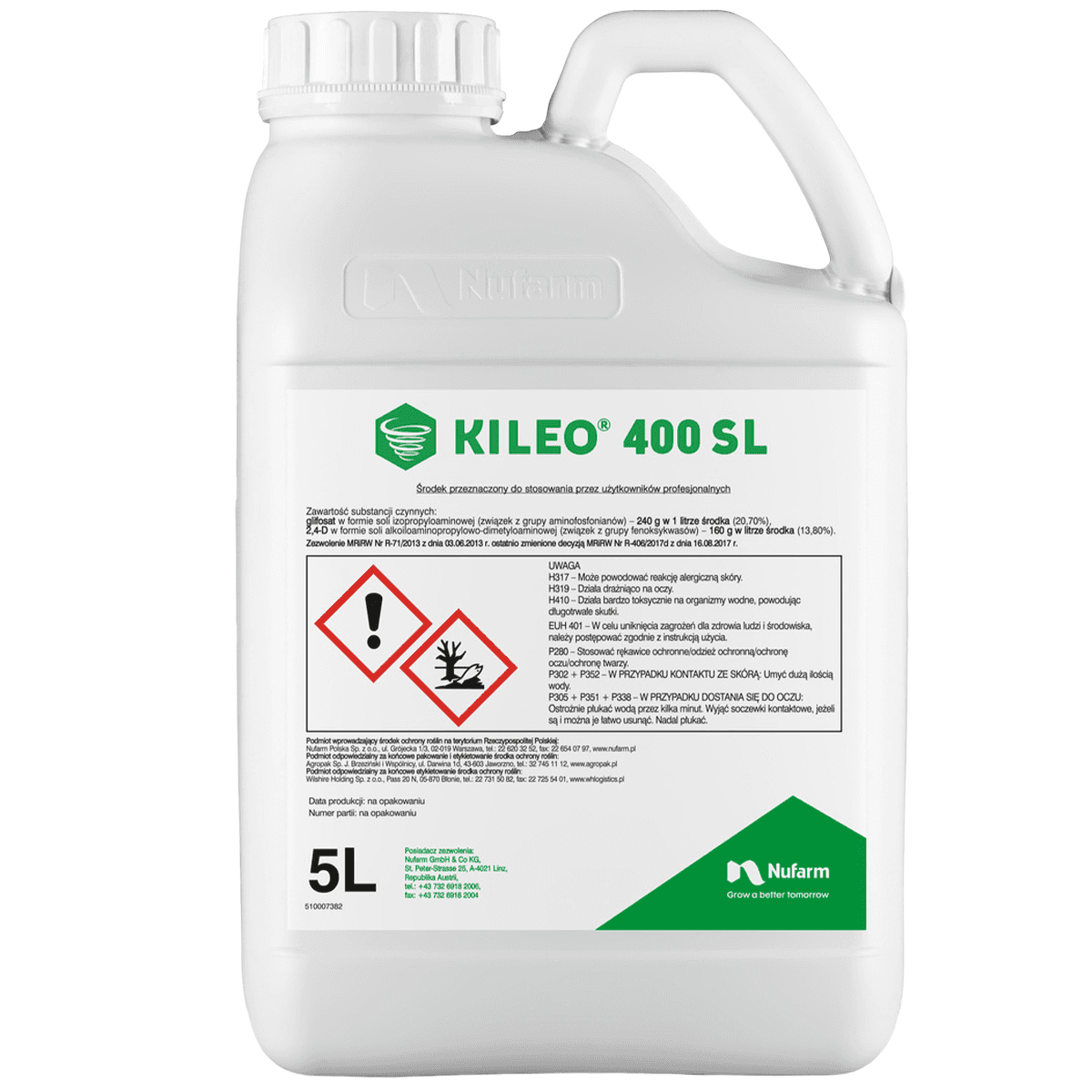
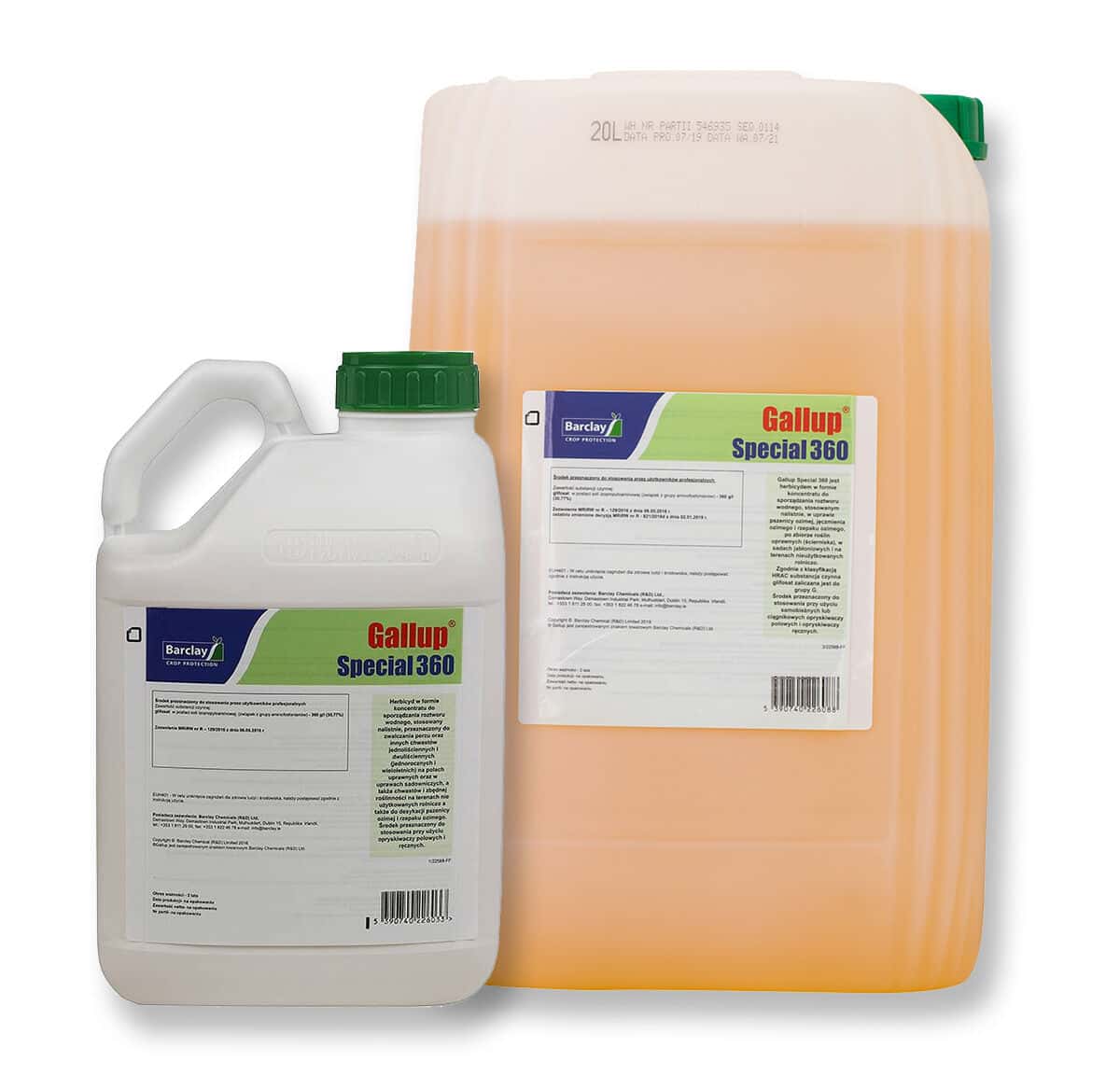
Agrosar 360 SL (glyphosate) - herbicide
Agrosar - effective in weed control Agrosar 360 SL is a herbicide (foliar herbicide) available as a water-soluble concentrate (SL), containing glyphosate (360 g/l).
Description
Agrosar - effective in weed control
What are the benefits of using Agrosar?
- For controlling a wide range of weeds,
- Can be used in many places and at different times: on stubble fields, before starting cultivation to control weeds, before harvest to facilitate harvesting.
- For use with hand sprayers,
- In concentrate form (convenience),
- After use there are no restrictions on subsequent crops,
- Effective in controlling both monocotyledonous and dicotyledonous weeds.
Agrosar 360 SL is a herbicide (foliar herbicide). It is available in concentrate form soluble in water (SL).
It is intended for controlling couch grass and other monocotyledonous and dicotyledonous weeds (annual and perennial). It is used in the cultivation of apple tree, pear tree, sour cherry, sweet cherry, plum tree, peach, apricot, gooseberry, aronia, black currant, red currant, white currant, in gardens, on allotments.
It has systemic action.
The product is intended for use with self-propelled or tractor-mounted field or orchard sprayers equipped with a herbicide boom or hand sprayers (including backpack sprayers).
What is the content of the active substance in Agrosar 360 SL?
- Active substance content: glyphosate (compound from the aminophosphonate group) - 360 g/l (30.9%).
How does Agrosar work?
It has systemic action. Agrosar is absorbed through various parts of the plant including green shoots, leaves and non-lignified bark. Then the product moves inside the plant. It also reaches underground parts such as roots, rhizomes, etc. This is how it causes the entire plant to die.
When will I see the first symptoms of Agrosar's action?
The first symptoms of the product's action, i.e. yellowing and wilting, will be visible 7-10 days after treatment. After this time, plants should not be removed, allowing them to die completely, which occurs after 2-3 weeks.
Under moist and warm weather, the product acts faster.
What is the pre-harvest interval when using Agrosar?
The period from the last application of the product to the day of crop harvest, i.e. the pre-harvest interval, is:
- Apple tree, gooseberry, aronia, black currant, red currant, white currant, pear tree, peach, sweet cherry, apricot, plum tree, sour cherry – 7 days.
What are the recommendations when using Agrosar?
- Do not use the plant protection product in parks and public gardens, on sports, recreational areas, schools, kindergartens, nurseries and healthcare facilities.
- On fields where the product was used, all plants can be cultivated. Cultivation treatments can begin when symptoms of the product's action (yellowing and wilting) appear on the controlled weeds, but not earlier than 5-7 days after application.
- Observe the crop rotation recommendations applicable to herbicides used together with Agrosar 360 SL.
For more information related to the use of Agrosar, please visit the Orchard Advisory website.
Warning! Plant protection products must be used safely. Before each use, read the information on the label and product information.
The buyer declares that they meet the conditions specified in Article 25 paragraph 3 point 5 of the Act of 8 March 2013 on plant protection products and has training in the use of plant protection products in the case of products for professional users. Before each use, read the information on the label and product information. Pay attention to detailed risk indications. Follow the safety rules contained in the label. Plant protection products may only be purchased by adults and persons who have completed training and have the qualifications required for persons purchasing plant protection products (Article 28 of the Act on plant protection products of 8 March 2013 as amended). Plant protection products must be used in a way that does not pose a threat to human health, animals or the environment. The buyer of plant protection products must be sober. By using this offer, you declare that you meet the above conditions.
Application and dosage
Crop | Weed control | How to apply? Dosage |
|---|---|---|
railway tracks | ribwort plantain, common plantain, small cranesbill, red cranesbill, common mugwort, cornflower, side-oats grama, greater celandine, field mustard, common chickweed, common quackgrass, creeping buttercup, purple dead-nettle, white goosefoot, field clover, common yarrow, common hairgrass, scentless mayweed, field dandelion, common dandelion, Canadian goldenrod, field thistle, sterile oats, common water-hemp, couch grass, green foxtail, ground elder, common nettle, field bindweed, Persian speedwell, three-leaved speedwell, Canadian fleabane, cleavers, knotgrass, common horned-poppy, common chamomile, common chickweed, rough amaranth, field sorrel, broadleaf sorrel, common sorrel, yellow wood sorrel, shepherd's purse, field pennycress, annual meadow-grass, green foxtail, bird vetch, narrow-leaved vetch. | Maximum / recommended dose for single application: 7.5 l/ha. |
gooseberry, aronia, black currant, red currant, white currant, pear tree, peach, sweet cherry, apricot, plum tree, sour cherry | ribwort plantain, common plantain, small cranesbill, common mugwort, cornflower, side-oats grama, field violet, field mustard, common chickweed, common quackgrass, purple dead-nettle, white goosefoot, white clover, common hairgrass, field poppy, scentless mayweed, field dandelion, common dandelion, Canadian goldenrod, sterile oats, green foxtail, couch grass, green foxtail, three-leaved speedwell, Canadian fleabane, cleavers, knotgrass, climbing knotweed, common horned-poppy, common chamomile, common chickweed, common ragwort, rough amaranth, yellow wood sorrel, field sorrel, broadleaf sorrel, common sorrel, shepherd's purse, field pennycress, annual meadow-grass, glandular willowherb, green foxtail, bird vetch, narrow-leaved vetch, field horsetail | Maximum dose for single application: 8.0 l/ha.
|
forest nurseries, regeneration, afforestation | side-oats grama, common chickweed, white goosefoot, field poppy, scentless mayweed, Canadian fleabane, climbing knotweed, common ragwort, shepherd's purse, annual meadow-grass | Maximum dose for single application: 3.0 l/ha.
|
apple tree | ribwort plantain, common plantain, small cranesbill, common mugwort, cornflower, side-oats grama, field violet, field mustard, common chickweed, white clover, common hairgrass, field poppy, scentless mayweed, field dandelion, common dandelion, Canadian goldenrod, sterile oats, green foxtail, couch grass, green foxtail, three-leaved speedwell, Canadian fleabane, cleavers, knotgrass, climbing knotweed, common horned-poppy, common chamomile, common chickweed, common ragwort, rough amaranth, yellow wood sorrel, field sorrel, broadleaf sorrel, common sorrel, shepherd's purse, field pennycress, annual meadow-grass, glandular willowherb, green foxtail, bird vetch, narrow-leaved vetch, field horsetail, Persian speedwell, field speedwell, common charlock, soft brome, small-flowered yellow bedstraw | Maximum dose for single application: 8.0 l/ha.
|
winter oilseed rape, winter wheat | field violet, white goosefoot, field poppy, scentless mayweed, couch grass, cleavers, shepherd's purse, side-oats grama, common chickweed, Canadian fleabane, common ragwort, annual meadow-grass | Maximum / recommended dose for single application: 4.0 l/ha. |
gardens, allotments, area around the house, sidewalks, access roads | ribwort plantain, common plantain, small cranesbill, red cranesbill, common mugwort, cornflower, side-oats grama, greater celandine, field mustard, common chickweed, common quackgrass, creeping buttercup, purple dead-nettle, white goosefoot, field clover, common yarrow, common hairgrass, scentless mayweed, field dandelion, common dandelion, Canadian goldenrod, field thistle, sterile oats, green foxtail, couch grass, green foxtail, ground elder, common nettle, field bindweed, Persian speedwell, three-leaved speedwell, Canadian fleabane, cleavers, knotgrass, common horned-poppy, common chamomile, common chickweed, rough amaranth, field sorrel, broadleaf sorrel, common sorrel, yellow wood sorrel, shepherd's purse, field pennycress, annual meadow-grass, green foxtail, bird vetch, narrow-leaved vetch. | Maximum dose for single application: 7.5 l/ha.
|