 SKU CH-13523
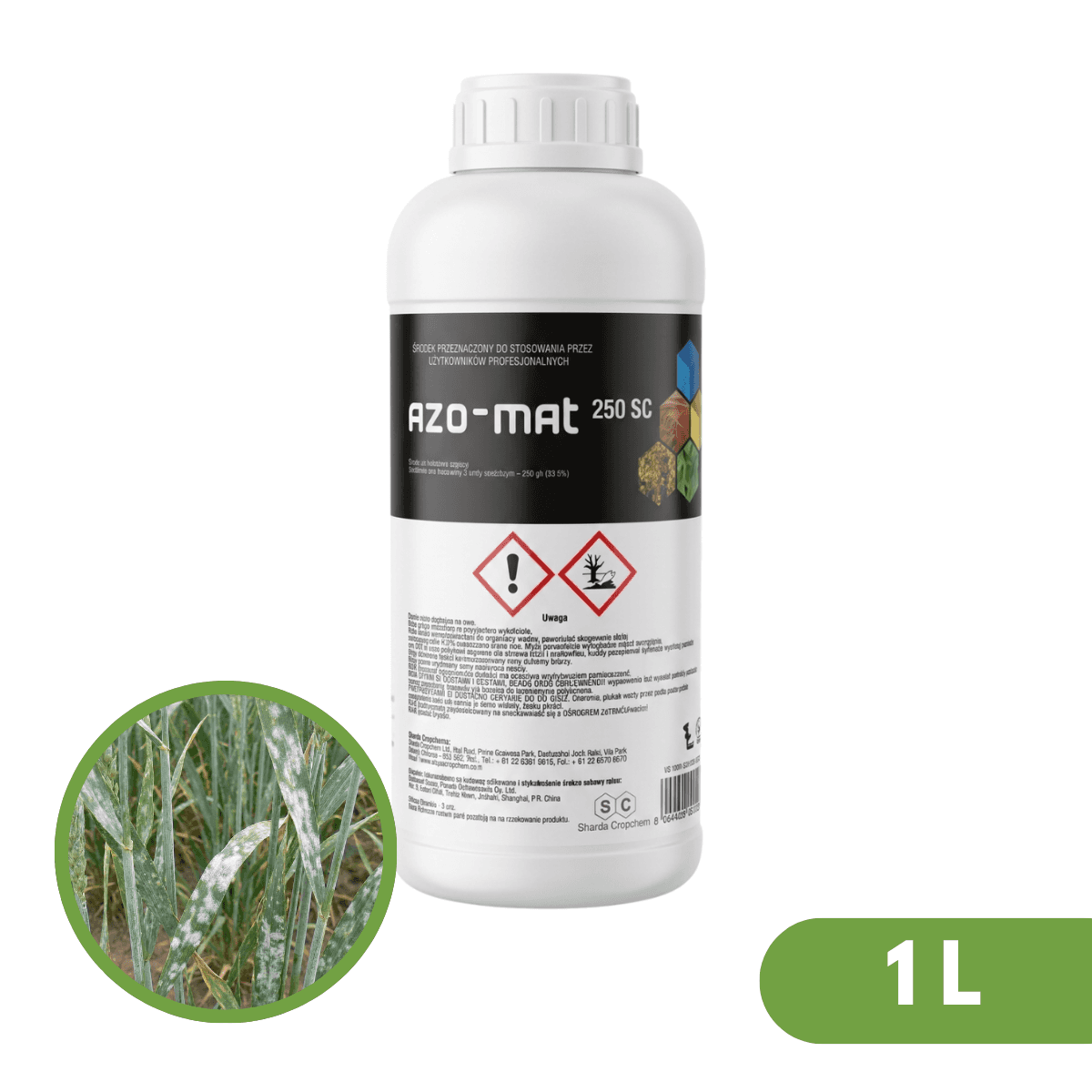
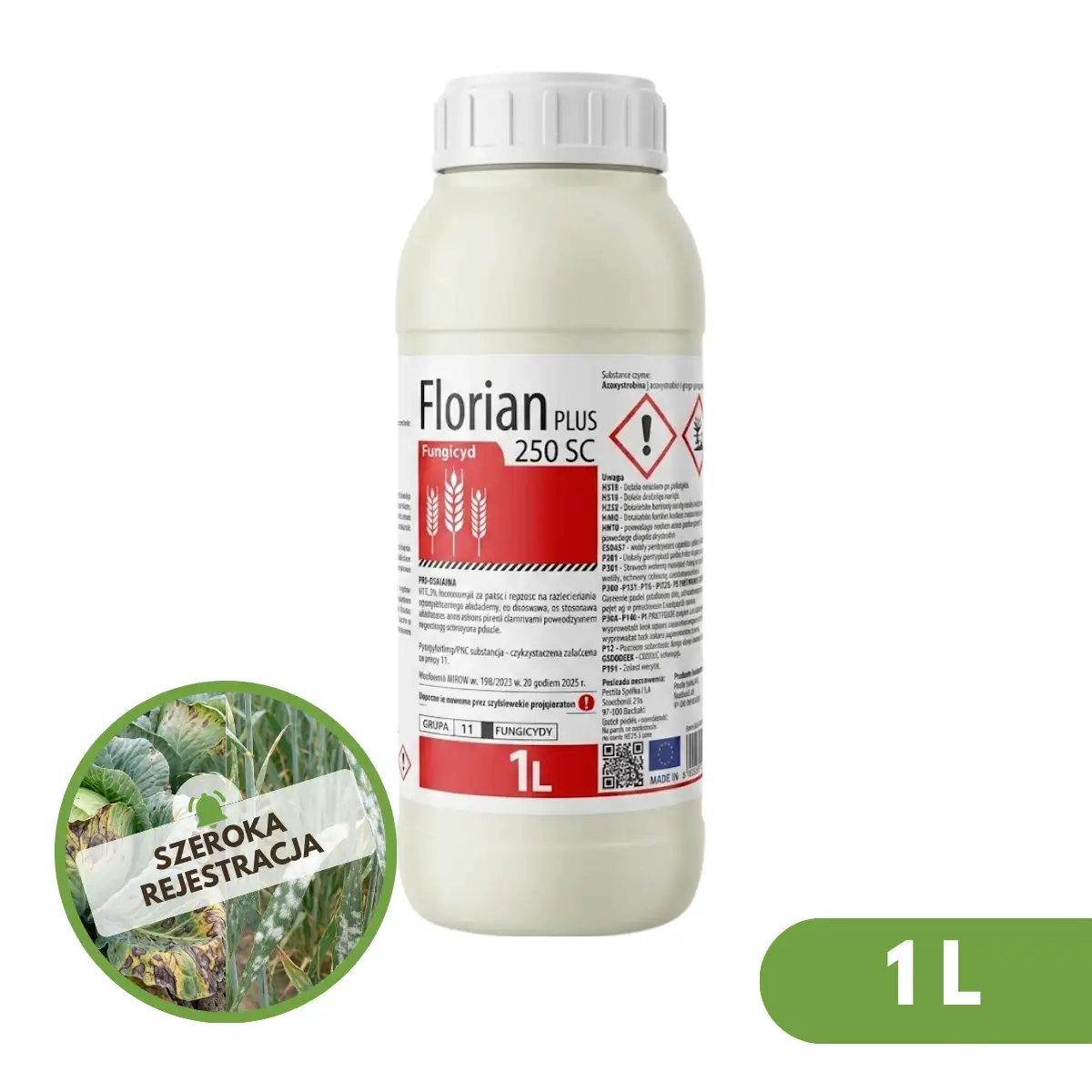
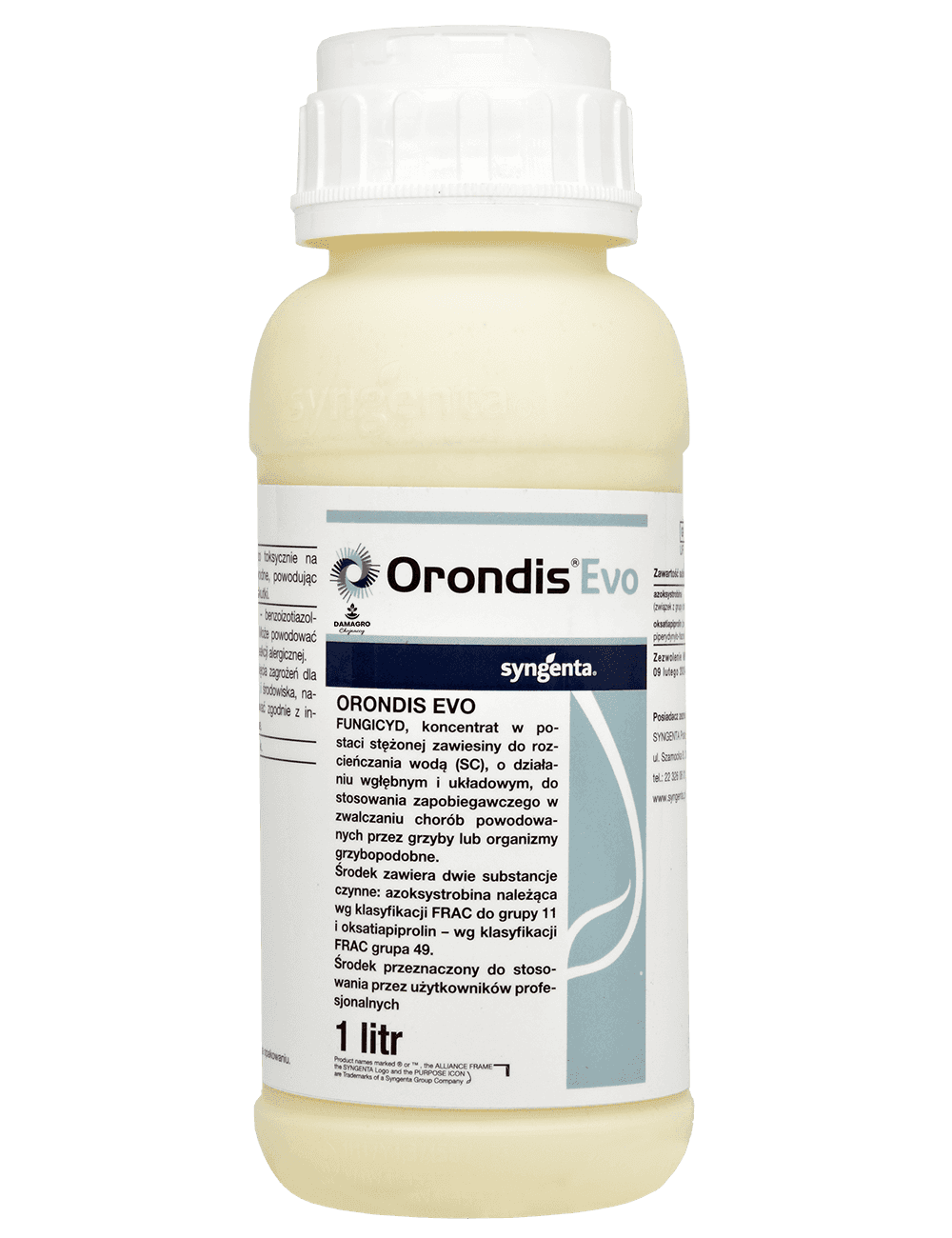
Amistar 250 SC Spray
Amistar 250SC is an effective fungicide for protecting vegetables against fungal diseases. Capacity: 1 L
- Pack
- 1 l
Description
HOW AMISTAR 250SC WORKS
Amistar 250SC Pre-Rtu is an effective ready-to-use fungicide designed to protect vegetables against fungal diseases. It controls, among others, grey mould, alternaria leaf spot, powdery mildew and downy mildew, blackleg, sclerotinia stem rot, and rust.
Thanks to the content of azoxystrobin, the product acts systemically – after spraying, the active substance penetrates inside the plant and moves with the sap, protecting even unsprayed parts. The product is ideal for home gardens, polytunnels and allotments.
Diseases: Grey mould, alternaria leaf spot, powdery mildew and downy mildew, blackleg, sclerotinia stem rot, rust, ascochyta blight, damping-off, septoria leaf blotch, rhizoctonia, phytophthora.
Crops: Potato, onion, garlic, shallot, runner bean, pea, tomato, leek, celery, sweet pepper, cabbage (head), Chinese cabbage, cauliflower, carrot, lettuce.
HOW TO USE AMISTAR 250SC?
Preparation method: After removing the coloured ring from the bottle neck, firmly screw on the sprayer nozzle to release the concentrate. Then shake the bottle vigorously. Use the ready solution within 24 hours – enough to spray an area from several to several dozen m².
Dose: Spray plants according to the table depending on the crop and the plant development stage.
Frequency: 2-3 treatments at intervals of 7-14 days depending on the specific crop and disease to be controlled.
Recommended application timing: April – October.
Usage method: Spray plants so that they are thoroughly wetted but no droplets form.
SELECTED APPLICATIONS OF AMISTAR 250SC
Tomato (field)
Spray timing: from side shoot development stage to the end of fruit and seed ripening
Diseases: tomato alternaria leaf spot, tomato powdery mildew
Carrot
Spray timing: from 6-leaf stage to the end of the development stage of the harvestable part
Diseases: umbelliferous powdery mildew, carrot leaf alternaria leaf spot
Onion, garlic, shallot
Spray timing: from 4-leaf stage to the end of bulb formation
Diseases: onion downy mildew, onion alternaria leaf spot, grey mould
Leek
Spray timing: from 6-leaf stage to the end of growth
Diseases: leek rust, leek alternaria leaf spot, phytophthora, leaf spots caused by Stemphylium and Cladosporium
Root celery
Spray timing: from 6-leaf stage to the end of the development stage of the harvestable part
Diseases: celery septoria leaf blotch
Runner bean
Spray timing: from the beginning of flowering to pod development stage
Diseases: anthracnose, grey mould, sclerotinia stem rot, ascochyta blight
Pea
Spray timing: from the beginning of inflorescence development to the end of flowering
Diseases: ascochyta blight (damping-off), downy mildew
Head cabbage, Chinese cabbage, cauliflower
Spray timing: from 6-leaf stage to the end of the development stage of the harvestable part
Diseases: blackleg (alternaria leaf spot), grey mould, white rust
Lettuce (field)
Spray timing: from the beginning of development to the end of the development stage of the harvestable part
Diseases: downy mildew, grey mould, sclerotinia stem rot, powdery mildew, rhizoctonia
Lettuce (under cover)
Spray timing: from 4-leaf stage to the end of the development stage of the harvestable part
Diseases: grey mould, powdery mildew, downy mildew, sclerotinia stem rot, rhizoctonia
Sweet pepper (greenhouses)
Spray timing: from 6-leaf stage to the end of fruit and seed ripening
Diseases: grey mould, sclerotinia stem rot, powdery mildew, sweet pepper alternaria leaf spot