 SKU 23754-c
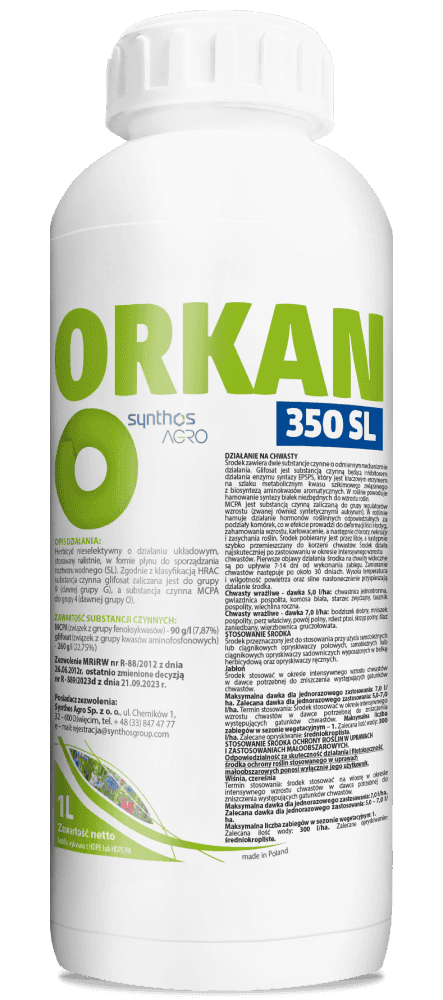
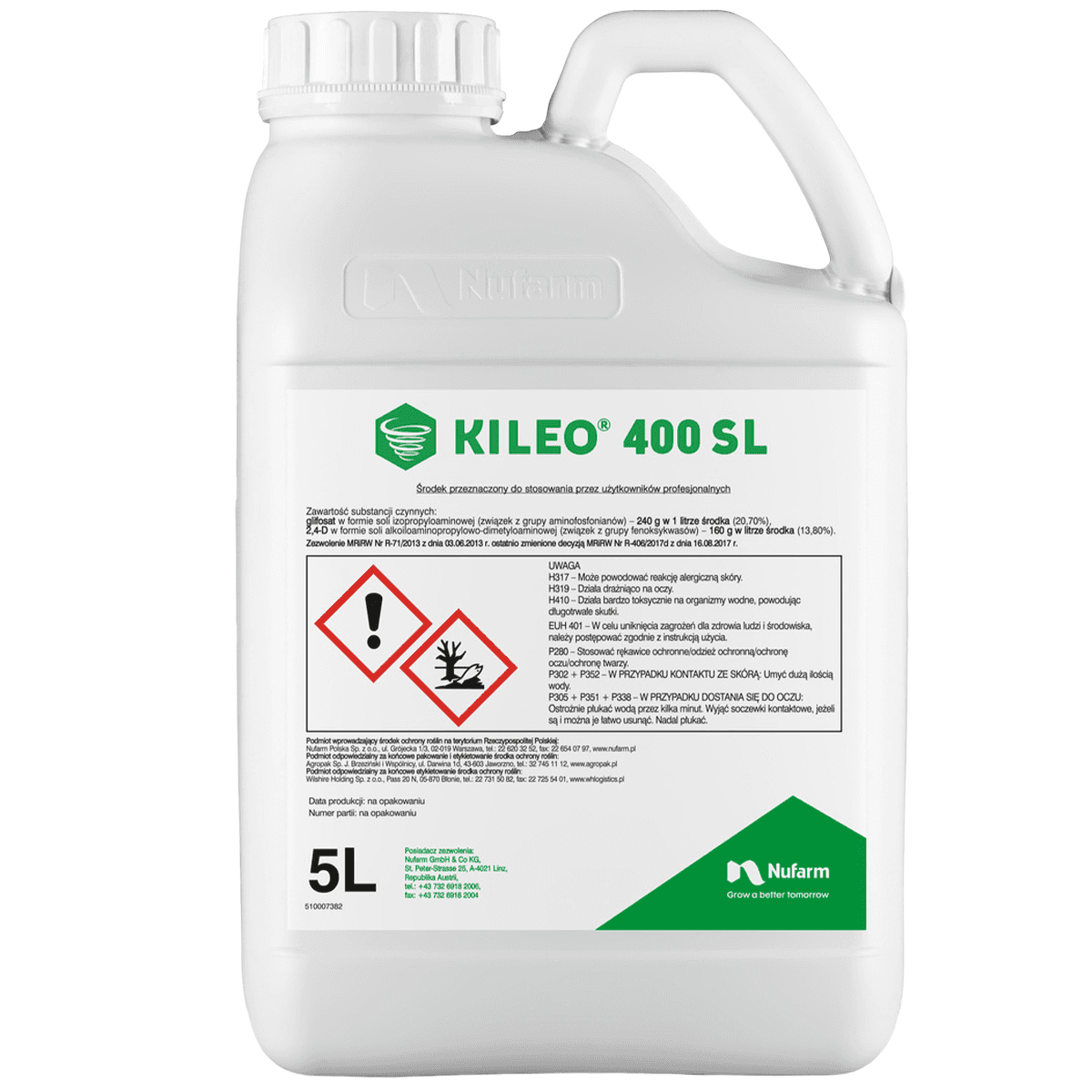
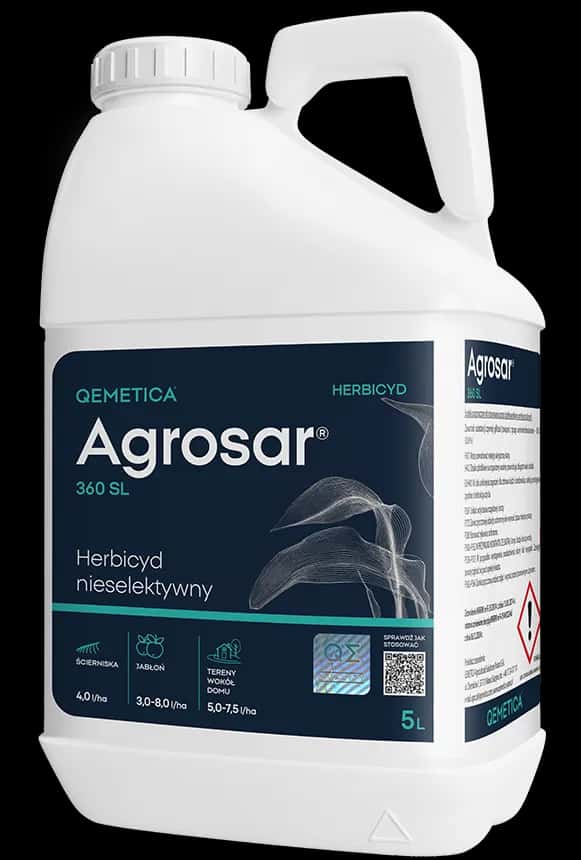
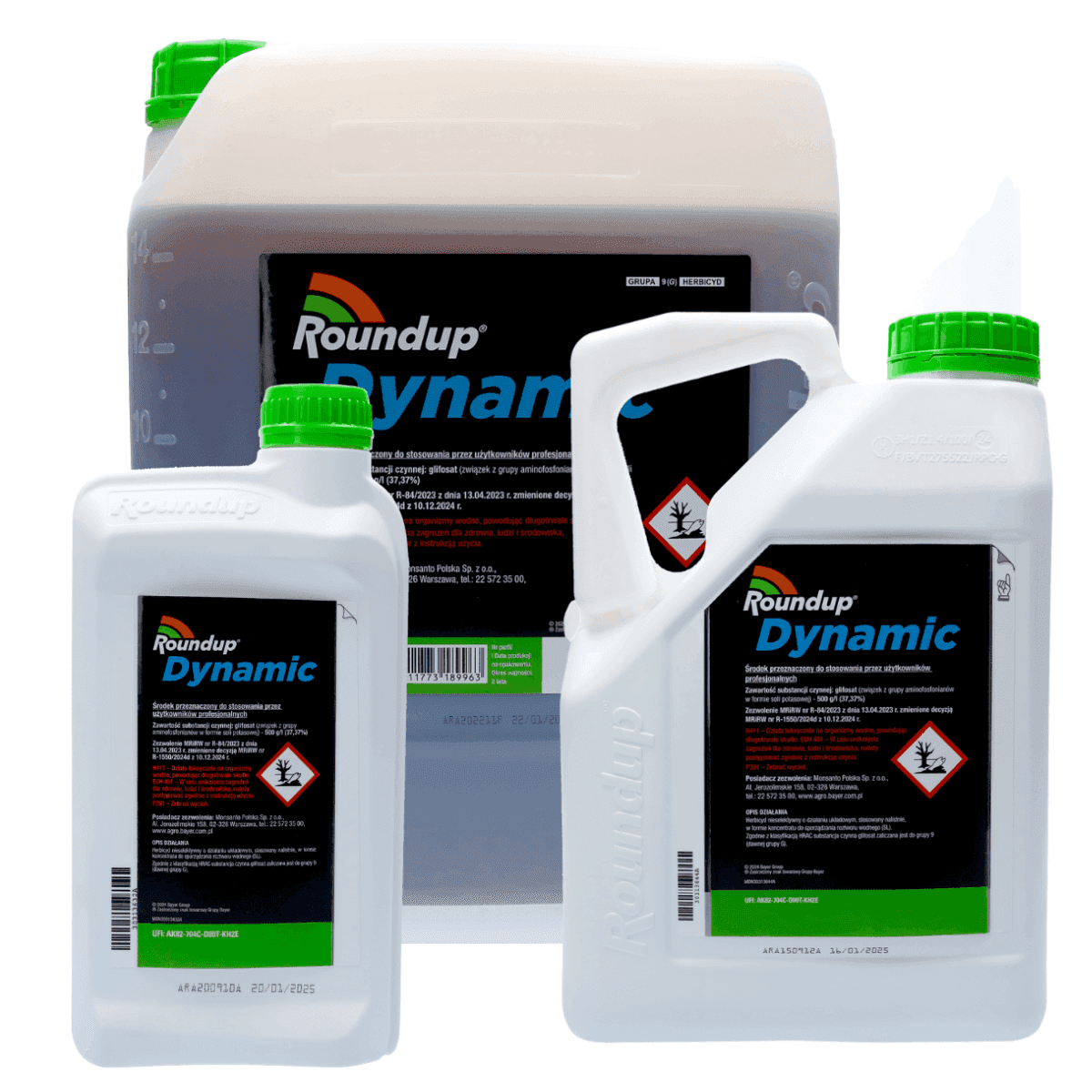
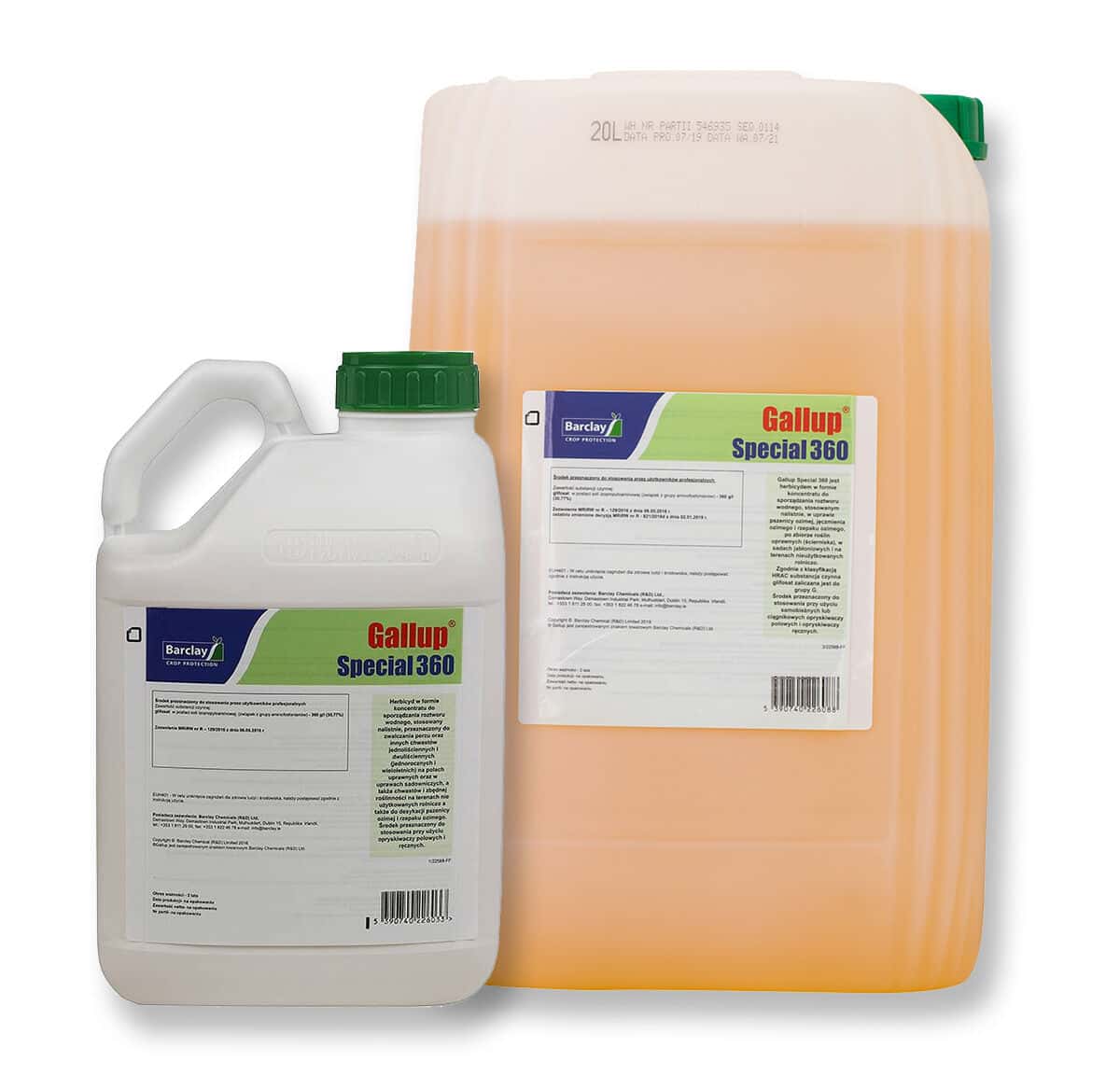
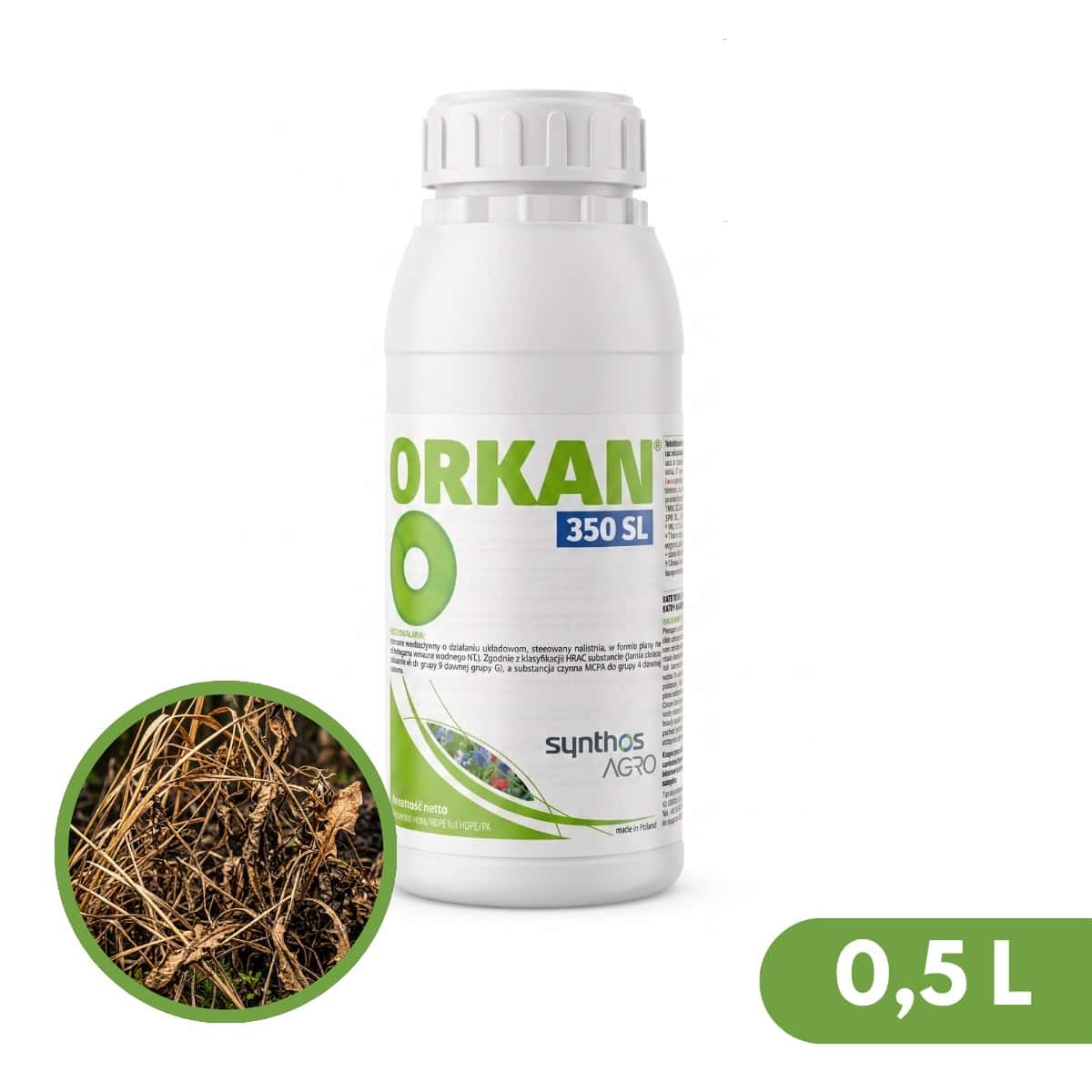
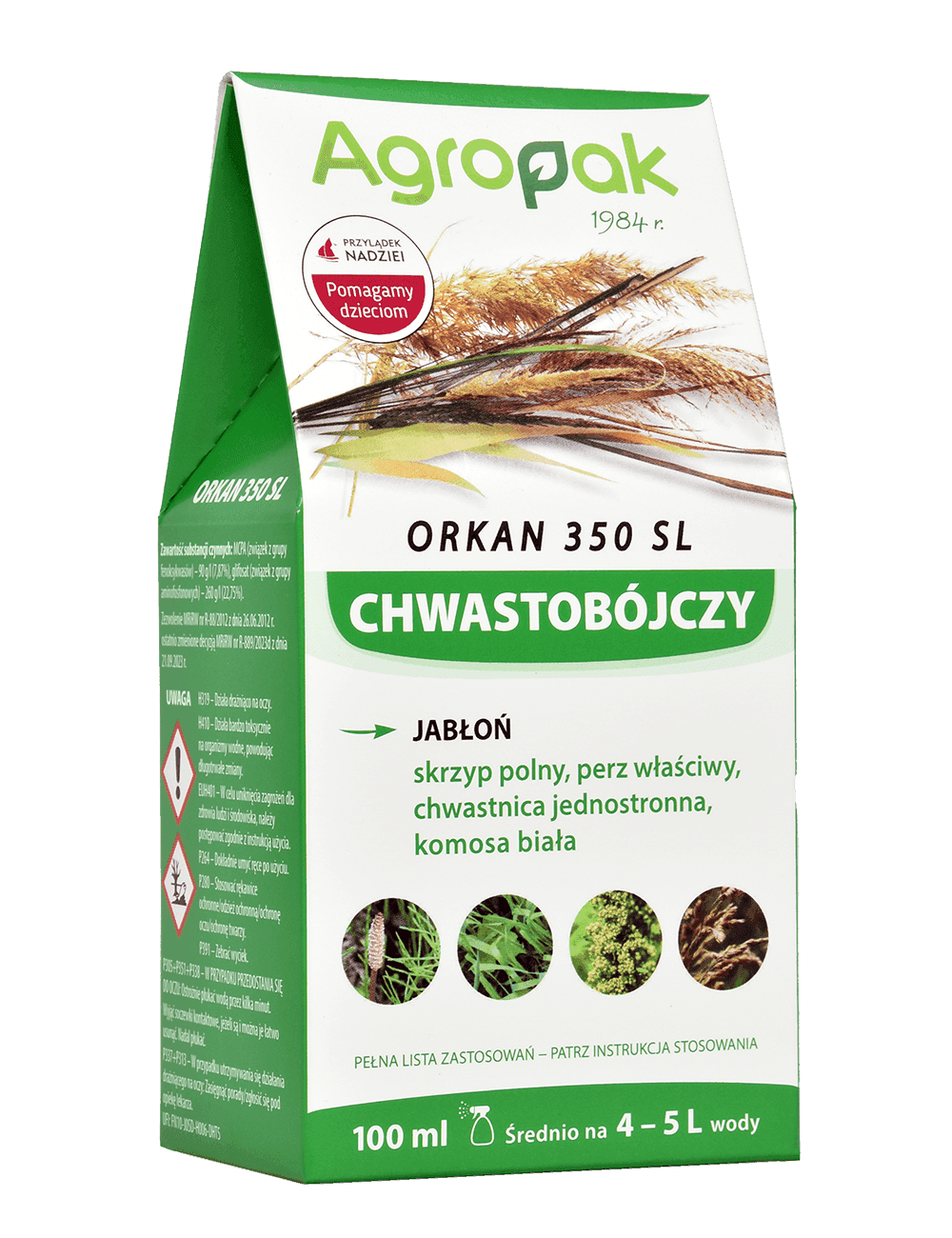
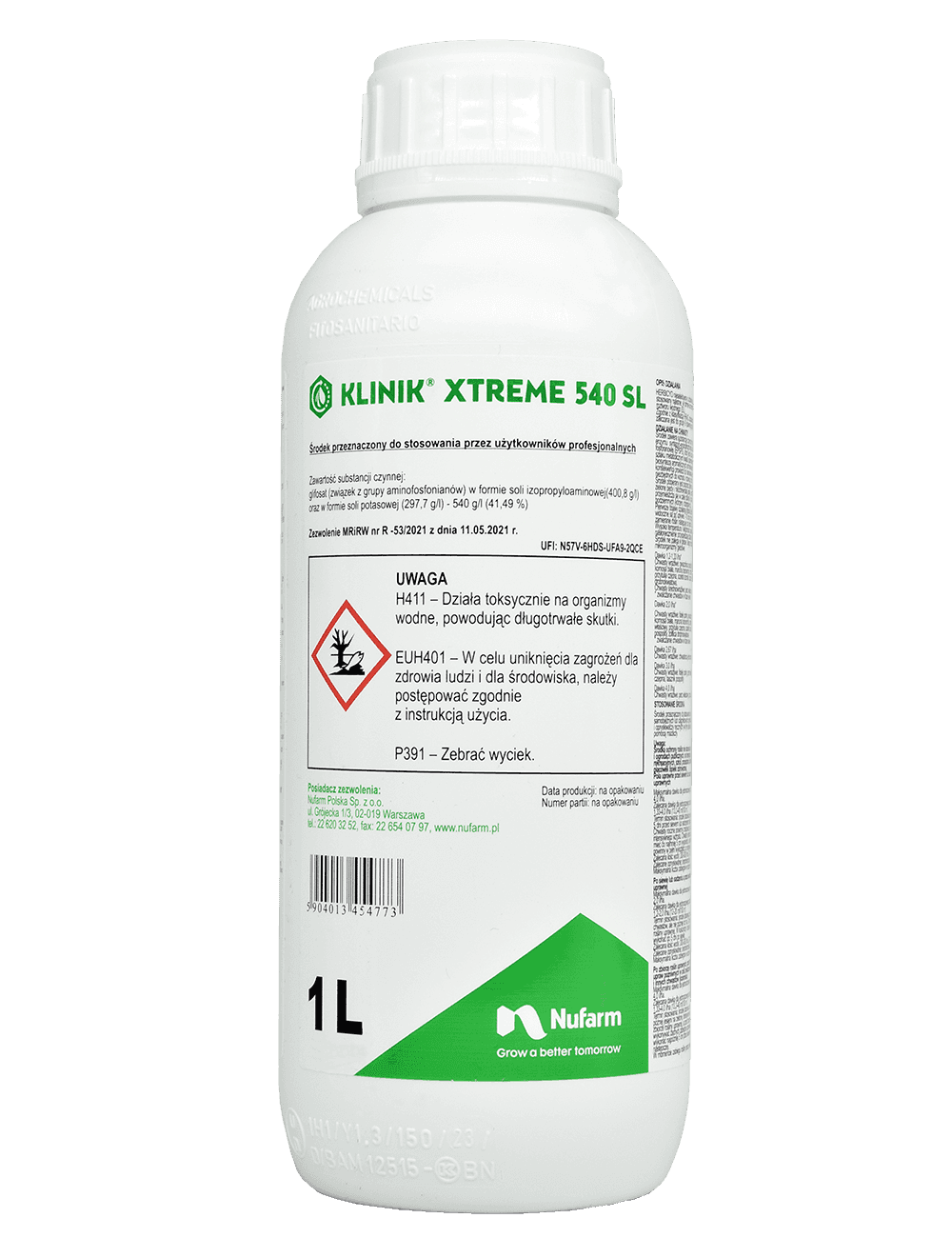
Roundup 360 PLUS (glyphosate)
Roundup 360 Plus is a herbicide concentrate used for foliar control of couch grass and other monocotyledonous and dicotyledonous weeds in arable fields, orchards, and non-agricultural areas.
Description
Roundup 360 Plus is a herbicide in concentrate form for preparing an aqueous solution, applied foliarly, intended for the control of couch grass and other monocotyledonous and dicotyledonous weeds (annual and perennial) in arable fields, in the cultivation of apple trees and black currants, on driveways, paths, terraces and other non-agricultural areas, as well as for the elimination of fallows and set-aside land before sowing crops.
Roundup 360 Plus is a systemic foliar herbicide. It is absorbed by the green parts of plants and then translocated throughout the plant, reaching underground parts (roots, rhizomes, etc.) causing their death.
Active substance content: glyphosate, a compound from the aminophosphonic acid group in potassium salt form – 360 g/l (28.77%).
First symptoms of the product's action (yellowing and wilting) are visible 7-10 days after treatment.
Complete plant death occurs after about 3 weeks.
High temperature and air humidity as well as strong sunlight accelerate the product's action.
Controlled weeds:
- Field violet,
- common chickweed,
- white goosefoot,
- field poppy,
- scentless mayweed,
- broomrape,
- couch grass,
- cleavers,
- bindweed knotweed,
- field chamomile,
- volunteer cereals,
- field pansy,
- small-flowered yellow bedstraw.
- field poppy,
- field pansy.
- common mugwort,
- common yarrow,
- bird vetch,
Warning! Plant protection products must be used safely. Before each use, read the information on the label and product information.
The buyer declares that they meet the conditions specified in Article 25 paragraph 3 point 5 of the Act of 8 March 2013 on plant protection products and has training in the use of plant protection products in the case of products for professional users. Before each use, read the information on the label and product information. Pay attention to detailed risk indications. Follow the safety rules contained on the label. Plant protection products may only be purchased by adults and persons who have completed training and have the qualifications required for persons purchasing plant protection products (Article 28 of the Act on plant protection products of 8 March 2013 as amended). Plant protection products must be used in a way that does not pose a threat to human health, animals, or the environment. The buyer of plant protection products must be sober. By using this offer, you declare that you meet the above conditions.
Application and dosage
|
Crop |
Weed Control |
How to apply? Dosage |
When to apply? |
|---|---|---|---|
|
maize |
common mugwort, field violet, common chickweed, white goosefoot, common yarrow, field poppy, scentless mayweed, broomrape, couch grass, cleavers, bindweed knotweed, field chamomile, volunteer cereals, field pansy, bird vetch, small-flowered yellow bedstraw |
Maximum dose for single application: 2.5 l/ha. |
A. In spring after sowing, before crop emergence to control emerging weeds. |
|
potato |
common mugwort, field violet, common chickweed, white goosefoot, common yarrow, field poppy, scentless mayweed, broomrape, couch grass, cleavers, bindweed knotweed, field chamomile, volunteer cereals, field pansy, bird vetch, small-flowered yellow bedstraw |
Maximum dose for single application: 2.5 l/ha. |
Spray after planting potatoes and after a single hilling on emerging weeds but no later than 3 days before potato emergence (BBCH 00-09). |
|
carrot, parsley, onion, leek |
common mugwort, field violet, common chickweed, white goosefoot, common yarrow, field poppy, scentless mayweed, broomrape, couch grass, cleavers, bindweed knotweed, field chamomile, volunteer cereals, field pansy, bird vetch, small-flowered yellow bedstraw |
Maximum dose for single application: 1.8 l/ha. |
Apply after weed emergence but no later than 2-3 days before crop emergence (BBCH 00-09). |
|
sugar beet |
common mugwort, field violet, common chickweed, white goosefoot, common yarrow, field poppy, scentless mayweed, broomrape, couch grass, cleavers, bindweed knotweed, field chamomile, volunteer cereals, field pansy, bird vetch, small-flowered yellow bedstraw |
Maximum dose for single application: 2.5 l/ha. |
Apply after weed emergence but no later than 3 days before sugar beet emergence (BBCH 00-09). |
|
winter wheat, winter triticale, rye, spring wheat, spring barley, winter oilseed rape |
common mugwort, field violet, common chickweed, white goosefoot, common yarrow, field poppy, scentless mayweed, broomrape, couch grass, cleavers, bindweed knotweed, field chamomile, volunteer cereals, field pansy, bird vetch, small-flowered yellow bedstraw |
Maximum dose for single application: 4.0 l/ha. |
Before harvesting crops to control weeds. |
|
winter oilseed rape, winter wheat, winter triticale, rye, spring wheat, spring barley |
common mugwort, field violet, common chickweed, white goosefoot, common yarrow, field poppy, scentless mayweed, broomrape, couch grass, cleavers, bindweed knotweed, field chamomile, volunteer cereals, field pansy, bird vetch, small-flowered yellow bedstraw |
Maximum dose for single application: 4.0 l/ha. |
Before harvesting crops to accelerate harvest (desiccation). |
|
stubble fields |
common mugwort, field violet, common chickweed, white goosefoot, common yarrow, field poppy, scentless mayweed, broomrape, couch grass, cleavers, bindweed knotweed, field chamomile, volunteer cereals, field pansy, bird vetch, small-flowered yellow bedstraw |
Maximum dose for single application: 6.0 l/ha. |
After crop harvest, before starting post-harvest cultivation to control couch grass and other weeds. Use from mid-August to late autumn on green, actively growing weeds. At spraying, couch grass should be 10-25 cm tall and have at least 3-4 fully developed leaves. Annual monocotyledonous weeds should be at least 5 cm tall, and dicotyledonous weeds should have fully developed two true leaves. |
|
non-agricultural areas, storage yards, road verges, municipal areas, tram tracks |
common mugwort, field violet, common chickweed, white goosefoot, common yarrow, field poppy, scentless mayweed, broomrape, couch grass, cleavers, bindweed knotweed, field chamomile, volunteer cereals, field pansy, bird vetch, small-flowered yellow bedstraw |
Maximum dose for single application: 6.0 l/ha. |
Apply during the period of intensive growth of green plants throughout the growing season. |
|
elimination of set-aside land, elimination of fallows |
common mugwort, field violet, common chickweed, white goosefoot, common yarrow, field poppy, scentless mayweed, broomrape, couch grass, cleavers, bindweed knotweed, field chamomile, volunteer cereals, field pansy, bird vetch, small-flowered yellow bedstraw |
Maximum dose for single application: 6.0 l/ha. |
Use the higher recommended dose in autumn treatment. |