 SKU 3454-c
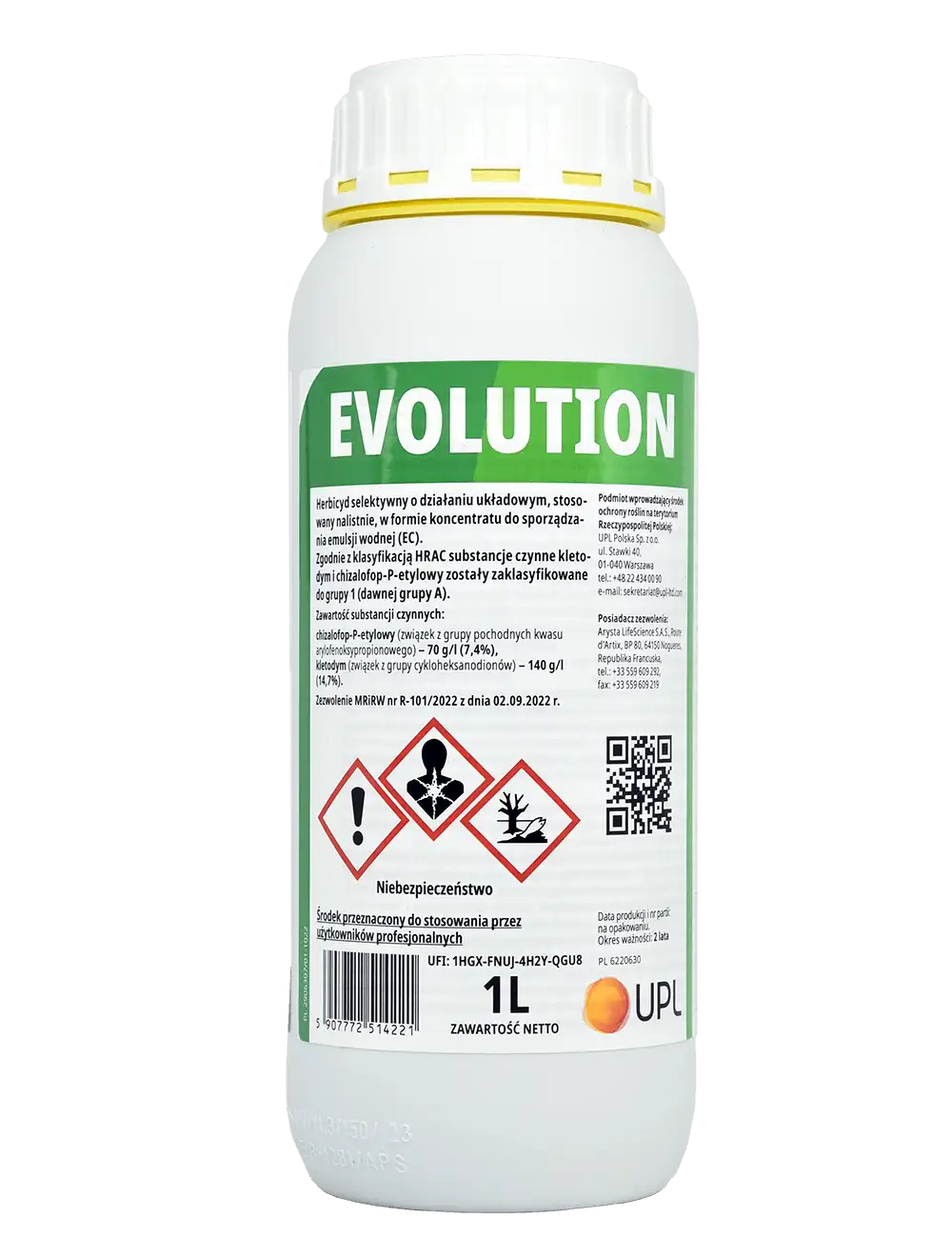
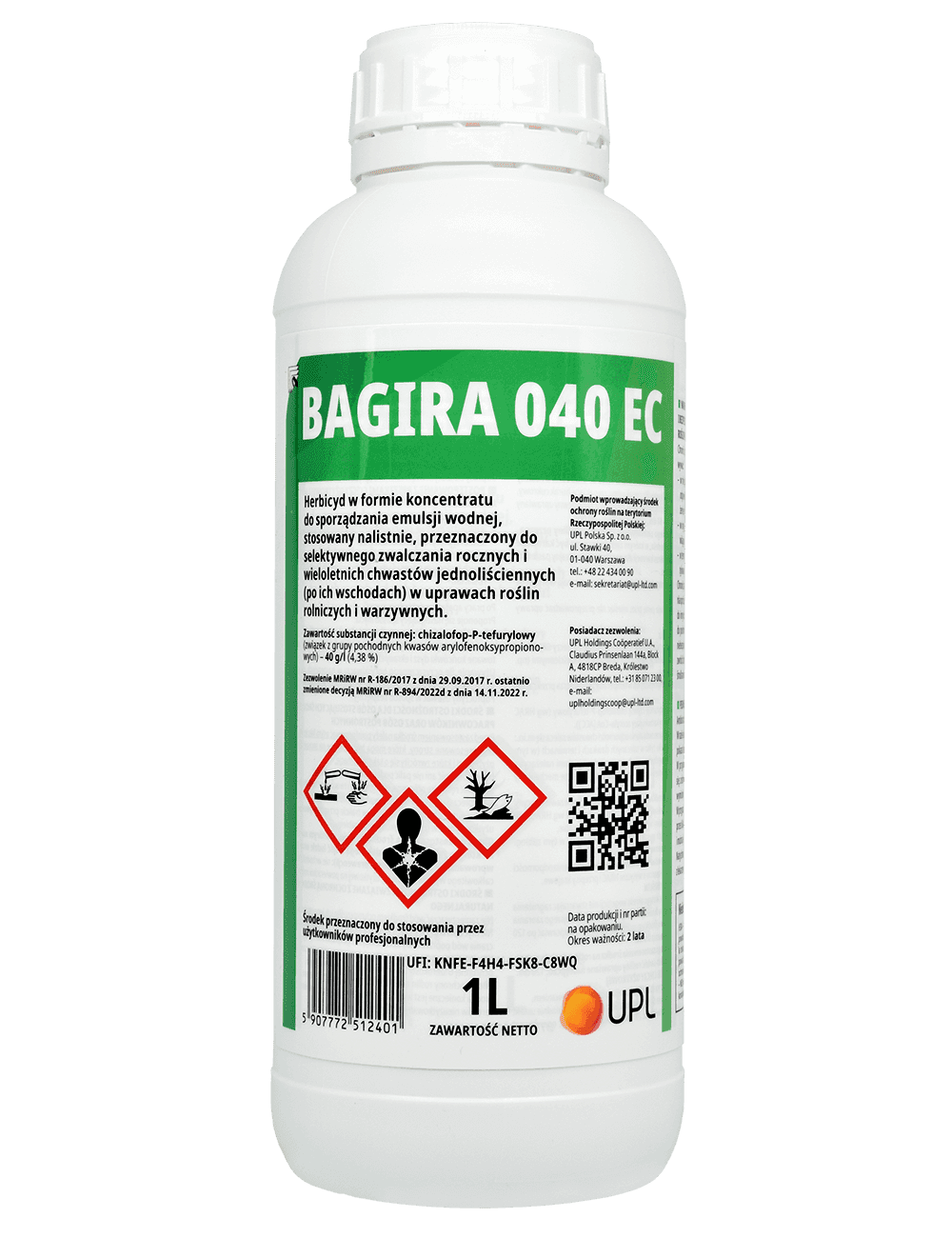
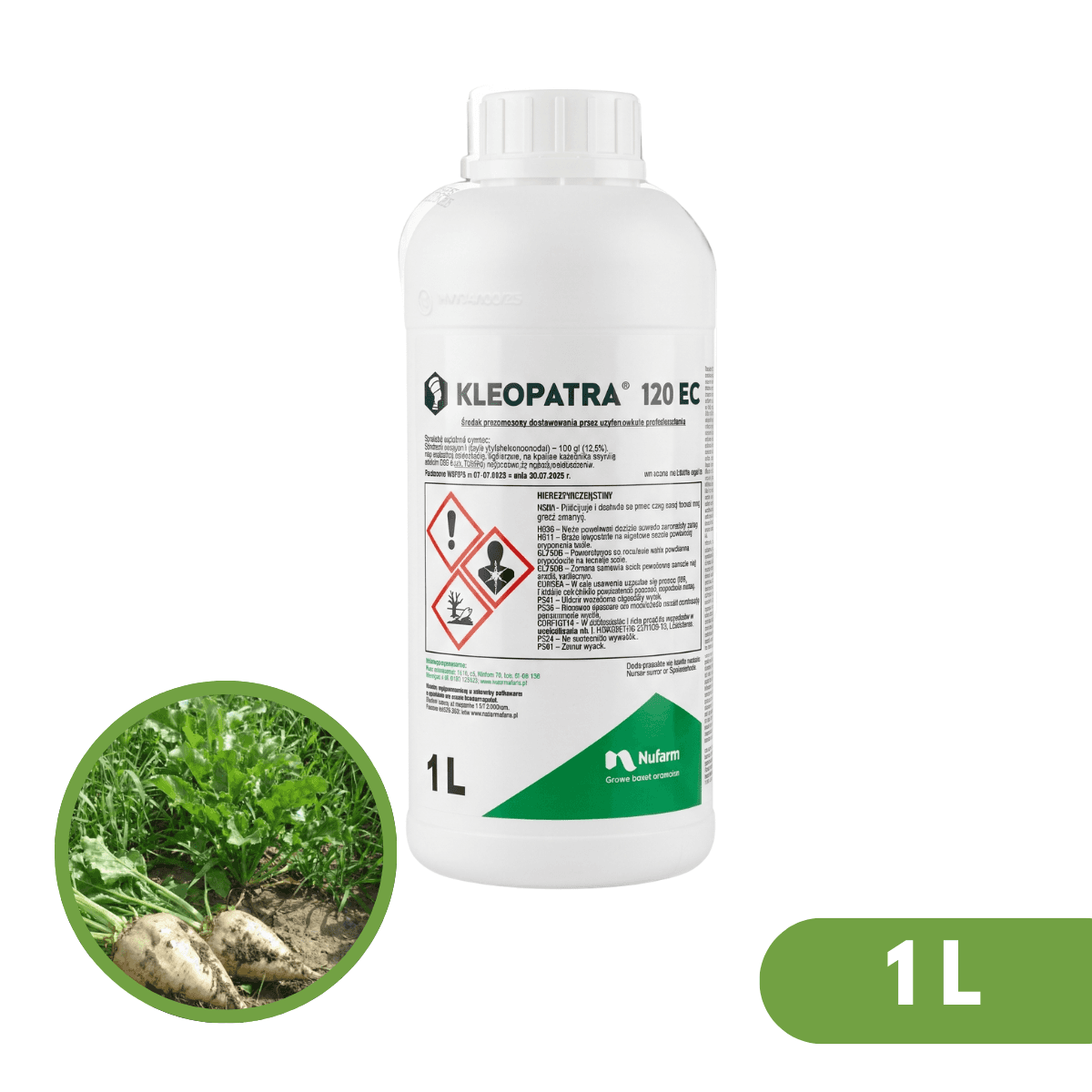
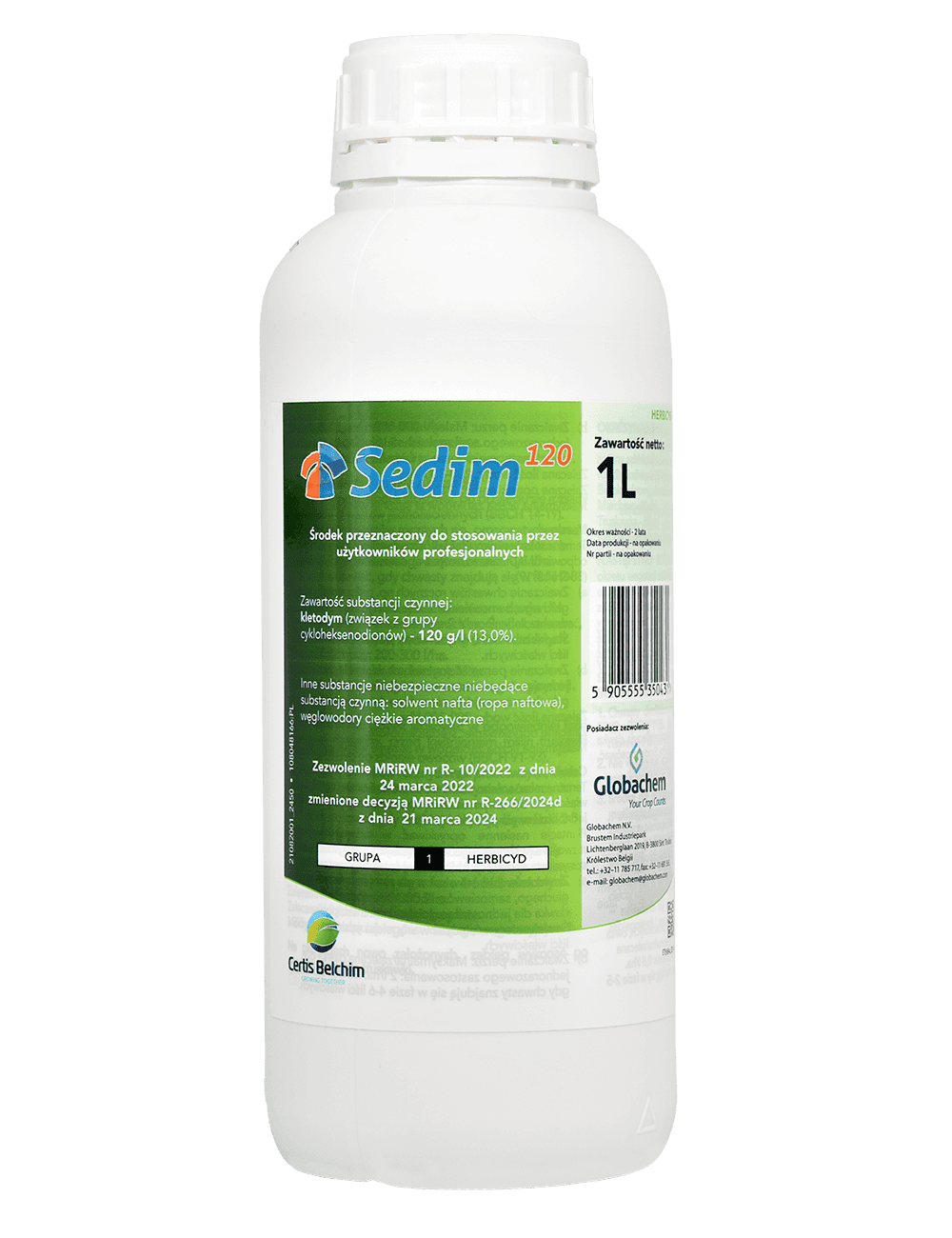
Select Super 120 EC (clethodim) - herbicide for control of monocotyledonous weeds
Select Super 120 EC is a herbicide (weed control product) in concentrate form (EC) designed for the control of monocotyledonous weeds such as couch grass, annual grass, blackgrass and wild oats.
Description
Select Super 120 EC - herbicide for control of couch grass, annual grass, blackgrass, wild oats and other monocotyledonous weeds
What are the advantages of the Select Super 120 EC herbicide?
- fast action
- high effectiveness
- controls couch grass, annual grass, blackgrass, wild oats, as well as other monocotyledonous weeds
- available in convenient concentrate form
- offers good value for money
Select Super 120 EC is a herbicide intended for the control of monocotyledonous weeds. It is used among others to control couch grass, annual grass, blackgrass, wild oats, as well as other monocotyledonous weeds.
The product is available in concentrate form (indicated by EC). An aqueous emulsion is prepared from this concentrate.
How to apply the Select Super 120 EC herbicide?
Select Super 120 EC should be applied foliarly according to the instructions in the "dosage" section.
Apply foliarly after weed emergence.
Annual monocotyledonous weeds are most sensitive to the product from the 2-leaf stage to the beginning of tillering. Perennial weeds reach peak sensitivity at the 4-6 leaf stage. Couch grass is an example of a perennial weed.
Rainfall occurring within one hour after treatment will not affect the product's efficacy.
Use Select Super 120 EC with self-propelled or tractor-mounted field sprayers as well as handheld sprayers.
What is the mode of action of Select Super 120 EC?
Select Super 120 EC has a systemic action. After application, it is rapidly absorbed through the leaves and then translocated to the roots and rhizomes of weeds, inhibiting their growth and development.
The product's effect will be visible as yellowing followed by drying of the youngest leaves. Initial symptoms appear about 7 days after spraying.
Warm weather, vigorous weed growth and moist soil accelerate the product's action.
What is the active substance content in Select Super 120 EC herbicide?
- Active substance content: clethodim (a compound from the cyclohexanedione group) - 120 g/l (13%).
In which crops can Select Super 120 EC be used?
- Sugar beet
- Winter oilseed rape
- Potato
- Carrot
- Onion grown from seed
- Head cabbage (grown from seedlings)
- Strawberry
In which minor crops can Select Super 120 EC herbicide be used?
- Peppermint, lemon balm, St John's wort, valerian
- Common flax grown for seed, common flax grown for fibre, fibre hemp
- Alfalfa, red clover, white clover, Persian clover, birdsfoot trefoil
- White mustard, black mustard, Sarepta mustard, spring oilseed rape, opium poppy, common sunflower, fibre flax
- Faba bean, common bean grown for dry seed, dry pea, forage pea (field pea), narrow-leafed lupin, white lupin, yellow lupin, lentil
- Soya, broad bean, green bean, common bean grown for fresh seed, sugar pea grown for pods, green pea
- Tomato, aubergine
- Fodder beet, garden beet
- Brussels sprouts, red cabbage, savoy cabbage
- Celeriac, horseradish, root parsley, parsnip, radish, salsify, rutabaga, black salsify, turnip
- Garlic, shallot
- Chives, garden dill leaves, parsley tops, celeriac leaves, fennel leaves
- Raspberry, blackberry, chokeberry, highbush blueberry, black currant, red currant, white currant, gooseberry, cranberry
- Tobacco
- Energy willow
- Ornamental plant nurseries (deciduous trees and shrubs, coniferous trees and shrubs, dicotyledonous perennials).
Which weeds are sensitive to Select Super 120 EC?
- annual grass
- wild oats
- couch grass
- volunteer cereals
Which weeds are resistant to Select Super 120 EC?
- dicotyledonous weeds
What is the crop rotation consequence when using Select Super 120 EC?
Select Super 120 EC does not pose a risk to succeeding crops as it decomposes during the crop growing season. If the treated crop is ploughed under earlier (e.g. due to frost damage or damage by diseases or pests), crops recommended for treatment with the product or other dicotyledonous plants can be grown on that field.
What precautions should be taken when using Select Super 120 EC?
- Dicotyledonous weeds can be chemically controlled at least 7 days before or at least 7 days after applying Select Super 120 EC.
- Do not perform mechanical cultivation 7 days before and 7 days after applying Select Super 120 EC.
- Do not apply the product:
− during windy conditions that may cause spray drift to neighbouring fields, especially monocotyledonous crops (e.g. maize, cereals),
− during prolonged drought,
− if rain is expected within one hour after treatment. - During application, avoid:
− spray drift onto neighbouring crop plantations,
− overlapping spray on treatment strip edges and headlands.
What are the pre-harvest interval and re-entry period when using Select Super 120 EC?
Re-entry period:
- The re-entry period is the time from application until people and animals can enter the treated area.
- Do not enter until the spray liquid has completely dried on the plant surface.
Pre-harvest interval:
- The pre-harvest interval is the time from the last application until the crop harvest.
- Winter oilseed rape, spring oilseed rape, white mustard, black mustard, Sarepta mustard, opium poppy, common sunflower, fibre flax - 120 days
- Common flax grown for oil - 71 days
- Alfalfa, red clover, white clover, Persian clover, birdsfoot trefoil - 61 days
- Sugar beet, fodder beet, garden beet, potato, onion, garlic, shallot - 56 days
- Faba bean, common bean grown for dry seed, forage pea (field pea), dry pea, narrow-leafed lupin, white lupin, yellow lupin, soya, lentil - 55 days
- Carrot, root parsley, celeriac, rutabaga, horseradish, parsnip, turnip, radish, salsify, black salsify - 40 days
- Strawberry, raspberry, blackberry, chokeberry, highbush blueberry, black currant, red currant, white currant, gooseberry, cranberry - 30 days
- Broad bean, green bean, sugar pea grown for pods, common bean grown for fresh seed, green pea - 29 days
- Head cabbage, red cabbage, savoy cabbage, Brussels sprouts, tomato, aubergine, peppermint, lemon balm, St John's wort, valerian, chives, garden dill leaves, fennel leaves, parsley tops, celeriac leaves - 28 days.
Interval from last application to sowing or planting succeeding crops:
- Consider crop rotation consequences (described above).
For more information about the Select Super 120 EC herbicide, please visit the Vegetable Advisory website.
Warning! Plant protection products must be used safely. Before each use, read the information on the label and product details.
The buyer declares that they meet the conditions specified in Article 25 paragraph 3 point 5 of the Act of 8 March 2013 on plant protection products and has received training in the use of plant protection products in the case of products for professional users. Before each use, read the information on the label and product details. Pay attention to detailed risk indications. Follow safety rules contained on the label. Plant protection products may only be purchased by adults and persons who have completed training and have the qualifications required for persons purchasing plant protection products (Article 28 of the Act on plant protection products of 8 March 2013 as amended). Plant protection products must be used in a way that does not pose a threat to human health, animals or the environment. The buyer of plant protection products must be sober. By using this offer, you declare that you meet the above conditions.
Application and dosage
|
Crop |
Target Pest Control |
How to apply? Dosage |
When to apply? |
|---|---|---|---|
|
sugar beet |
control of annual weeds such as barnyard grass, wild oats, volunteer cereals |
Maximum/recommended dose for single application: 0.8 l/ha. Recommended water volume: 200-300 l/ha. |
Apply from the formation of the first pair of leaves on sugar beet plants until plants cover no more than 50% of the inter-row space (BBCH 12-35). Apply when weeds are at the 2-5 true leaf stage. |
|
sugar beet |
couch grass |
Maximum/recommended dose for single application: 2 l/ha. |
Apply from the formation of the first pair of leaves on sugar beet plants until plants cover no more than 50% of the inter-row space (BBCH 12-35) |
|
winter oilseed rape |
Use only for control of annual weeds and volunteer cereals. |
Maximum/recommended dose for single application: 0.8 l/ha Recommended water volume: 200-300 l/ha. |
Apply in autumn when oilseed rape plants have developed at least the first pair of leaves (BBCH 12) or in spring, no later than the beginning of stem elongation (BBCH 30). Apply when weeds are at the 2-5 true leaf stage. |
|
potato |
control of annual weeds such as barnyard grass, wild oats, volunteer cereals |
Maximum dose for single application: 0.8 l/ha |
Apply after inter-row cultivation is completed (after potato emergence when plants reach 13-15 cm height), but before canopy closure (BBCH 12-33), at the appropriate weed growth stage. Apply when weeds are at the 2-5 true leaf stage. |
|
potato |
couch grass |
Maximum dose for single application: 2.0 l/ha |
Apply after inter-row cultivation is completed (after potato emergence when plants reach 13-15 cm height), but before canopy closure (BBCH 12-33), at the appropriate weed growth stage. Apply when weeds are at the 4-6 true leaf stage. |
|
carrot |
control of annual weeds such as barnyard grass, wild oats, volunteer cereals |
Maximum dose for single application: 0.8 l/ha |
Apply from the 2-leaf stage, at the appropriate monocotyledonous weed growth stage (BBCH 12-19). Apply when weeds are at the 2-5 true leaf stage. |
|
carrot |
couch grass |
Maximum/recommended dose for single application: 2 l/ha. Recommended water volume: 200-300 l/ha. |
Apply from the 2-leaf stage, at the appropriate monocotyledonous weed growth stage (BBCH 12-19). Apply when weeds are at the 4-6 true leaf stage. |
|
onion |
control of annual weeds such as barnyard grass, wild oats, volunteer cereals |
Maximum dose for single application: 0.8 l/ha |
Apply from the 1-2 true leaf stage at the appropriate monocotyledonous weed growth stage (BBCH 11-18). Seed production plantations should be sprayed at the appropriate monocotyledonous weed growth stage. |
|
onion |
couch grass |
Maximum/recommended dose for single application: 2 l/ha. |
Apply from the 1-2 true leaf stage at the appropriate monocotyledonous weed growth stage (BBCH 11-18). Seed production plantations should be sprayed at the appropriate monocotyledonous weed growth stage. |
|
cabbage |
control of annual weeds such as barnyard grass, wild oats, volunteer cereals |
|
Apply after seedling establishment and after monocotyledonous weed emergence (BBCH 14-19). Apply when weeds are at the 2-5 true leaf stage. |
|
cabbage |
couch grass |
Maximum dose for single application: 2.0 l/ha Recommended water volume: 200-300 l/ha. |
Apply after seedling establishment and after monocotyledonous weed emergence (BBCH 14-19). Apply when weeds are at the 4-6 true leaf stage. |
|
strawberry |
control of annual weeds such as barnyard grass, wild oats, volunteer cereals |
Maximum dose for single application: 0.8 l/ha |
Apply at the appropriate weed growth stage, before strawberry flowering (BBCH 12-59) or after fruit harvest (BBCH 91-93). Apply when weeds are at the 2-5 true leaf stage. |
|
strawberry |
couch grass |
Maximum dose for single application: 2.0 l/ha |
Apply at the appropriate weed growth stage, before strawberry flowering (BBCH 12-59) or after fruit harvest (BBCH 91-93). Apply when weeds are at the 4-6 true leaf stage. |
|
peppermint, lemon balm, St John's wort, valerian |
control of annual weeds such as barnyard grass, wild oats, volunteer cereals |
Maximum/recommended dose for single application: 0.8 l/ha. Recommended water volume: 200-300 l/ha. |
Apply from the fully developed first true leaf stage to the stage when 9 or more shoots are visible (BBCH 11-29). Apply when weeds are at the 2-5 true leaf stage. |
|
peppermint, lemon balm, St John's wort, valerian |
couch grass |
Maximum/recommended dose for single application: 1.5 l/ha. Recommended water volume: 200-300 l/ha. |
Apply from the fully developed first true leaf stage to the stage when 9 or more shoots are visible (BBCH 11-29). Apply when weeds are at the 4-6 true leaf stage. |
|
Common flax grown for seed, common flax grown for fibre, fibre hemp |
control of annual weeds such as barnyard grass, wild oats, volunteer cereals |
Maximum/recommended dose for single application: 0.8 l/ha. Recommended water volume: 200-300 l/ha. |
Apply from the second to sixth true leaf stage (BBCH 12-16), at the appropriate monocotyledonous weed growth stage. Apply when weeds are at the 2-5 true leaf stage. |
|
Common flax grown for seed, common flax grown for fibre, fibre hemp |
couch grass |
Maximum/recommended dose for single application: 0.8 l/ha. Recommended water volume: 200-300 l/ha. |
Apply from the second to sixth true leaf stage (BBCH 12-16), at the appropriate monocotyledonous weed growth stage. Apply when weeds are at the 4-6 true leaf stage. |
|
Alfalfa, red clover, white clover, Persian clover, birdsfoot trefoil |
control of annual weeds such as barnyard grass, wild oats, volunteer cereals |
Maximum/recommended dose for single application: 0.8 l/ha. Recommended water volume: 200-300 l/ha. |
Apply from the fully developed second true leaf stage to the stage when first flower buds are visible (BBCH 12 - 51), at the appropriate monocotyledonous weed growth stage. Apply when weeds are at the 2-5 true leaf stage. |
|
Alfalfa, red clover, white clover, Persian clover, birdsfoot trefoil |
couch grass |
Maximum/recommended dose for single application: 2.0 l/ha. Recommended water volume: 200-300 l/ha. |
Apply from the fully developed second true leaf stage to the stage when first flower buds are visible (BBCH 12 - 51), at the appropriate monocotyledonous weed growth stage. Apply when weeds are at the 4-6 true leaf stage. |
|
White mustard, black mustard, Sarepta mustard, spring oilseed rape, opium poppy, |
control of annual weeds such as barnyard grass, wild oats, volunteer cereals |
Maximum/recommended dose for single application: 0.8 l/ha. Recommended water volume: 200-300 l/ha. |
Apply from the fully developed second true leaf stage to the beginning of stem elongation (BBCH 12-30), at the appropriate monocotyledonous weed growth stage. Apply when weeds are at the 2-5 true leaf stage. |
|
White mustard, black mustard, Sarepta mustard, spring oilseed rape, opium poppy, |
couch grass |
Maximum/recommended dose for single application: 2.0 l/ha. Recommended water volume: 200-300 l/ha. |
Apply from the fully developed second true leaf stage to the beginning of stem elongation (BBCH 12-30), at the appropriate monocotyledonous weed growth stage. Apply when weeds are at the 4-6 true leaf stage. |
|
Faba bean, common bean grown for dry seed, dry pea, forage pea (field pea), narrow-leafed lupin, white lupin, yellow lupin, lentil |
Use only for control of annual weeds |
Maximum/recommended dose for single application: 0.8 l/ha. Recommended water volume: 200-300 l/ha. |
Apply from the fully developed second true leaf stage to the stage when first flower buds are visible (BBCH 12-51), at the appropriate monocotyledonous weed growth stage. Apply when weeds are at the 2-5 true leaf stage. |
|
soya |
control of annual weeds such as barnyard grass, wild oats, volunteer cereals |
Maximum/recommended dose for single application: 0.8 l/ha. Recommended water volume: 200-300 l/ha. |
Apply from the fully developed second true leaf stage to the stage when first flower buds are visible (BBCH 12-51), at the appropriate monocotyledonous weed growth stage. Apply when weeds are at the 2-5 true leaf stage. |
|
soya |
couch grass |
Maximum/recommended dose for single application: 2.0 l/ha. Recommended water volume: 200-300 l/ha. |
Apply from the fully developed second true leaf stage to the stage when first flower buds are visible (BBCH 12-51), at the appropriate monocotyledonous weed growth stage. Apply when weeds are at the 4-6 true leaf stage. |
|
broad bean, green bean, common bean grown for fresh seed, sugar pea grown for pods, green pea |
Use only for control of annual weeds. |
Maximum/recommended dose for single application: 0.8 l/ha. Recommended water volume: 200-300 l/ha. |
Apply from the fully developed second true leaf stage to the stage when first flower buds are visible (BBCH 12 - 51), at the appropriate monocotyledonous weed growth stage. Apply when weeds are at the 2-5 true leaf stage. |
|
tomato, aubergine |
control of annual weeds such as barnyard grass, wild oats, volunteer cereals |
Maximum/recommended dose for single application: 0.8 l/ha. Recommended water volume: 200-300 l/ha. |
Apply from the two true leaf stage to the stage when nine or more lateral shoots are visible (BBCH 12 - 29), at the appropriate monocotyledonous weed growth stage. Apply when weeds are at the 2-5 true leaf stage. |
|
tomato, aubergine |
couch grass |
Maximum/recommended dose for single application: 2.0 l/ha. Recommended water volume: 200-300 l/ha. |
Apply from the two true leaf stage to the stage when nine or more lateral shoots are visible (BBCH 12 - 29), at the appropriate monocotyledonous weed growth stage. Apply when weeds are at the 4-6 true leaf stage. |
|
fodder beet, garden beet |
control of annual weeds such as barnyard grass, wild oats, volunteer cereals |
Maximum/recommended dose for single application: 0.8 l/ha. Recommended water volume: 200-300 l/ha. |
Apply from the formation of the first pair of leaves on beet plants until plants cover no more than 50% of the inter-row space (BBCH 12-35), at the appropriate monocotyledonous weed growth stage. Apply when weeds are at the 2-5 true leaf stage. |
|
fodder beet, garden beet |
couch grass |
Maximum/recommended dose for single application: 2.0 l/ha. Recommended water volume: 200-300 l/ha. |
Apply from the formation of the first pair of leaves on beet plants until plants cover no more than 50% of the inter-row space (BBCH 12-35), at the appropriate monocotyledonous weed growth stage. Apply when weeds are at the 4-6 true leaf stage. |
|
Brussels sprouts, red cabbage, savoy cabbage |
control of annual weeds such as barnyard grass, wild oats, volunteer cereals |
Maximum/recommended dose for single application: 0.8 l/ha. Recommended water volume: 200-300 l/ha. |
Apply when plants are at the 4 to 9 true leaf stage (BBCH 14-19), at the appropriate monocotyledonous weed growth stage. Apply when weeds are at the 2-5 true leaf stage. |
|
Brussels sprouts, red cabbage, savoy cabbage |
couch grass |
Maximum/recommended dose for single application: 2.0 l/ha. Recommended water volume: 200-300 l/ha. |
Apply when plants are at the 4 to 9 true leaf stage (BBCH 14-19), at the appropriate monocotyledonous weed growth stage. Apply when weeds are at the 4-6 true leaf stage. |
|
celeriac, horseradish, root parsley, parsnip, radish, salsify, rutabaga, black salsify, turnip |
control of annual weeds such as barnyard grass, wild oats, volunteer cereals |
Maximum/recommended dose for single application: 0.8 l/ha. Recommended water volume: 200-300 l/ha. |
Apply from the 2 to 9 true leaf stage (BBCH 12-19), at the appropriate monocotyledonous weed growth stage. Apply when weeds are at the 2-5 true leaf stage. |
|
celeriac, horseradish, root parsley, parsnip, radish, salsify, rutabaga, black salsify, turnip |
couch grass |
Maximum/recommended dose for single application: 2.0 l/ha. Recommended water volume: 200-300 l/ha. |
Apply from the 2 to 9 true leaf stage (BBCH 12-19), at the appropriate monocotyledonous weed growth stage. Apply when weeds are at the 4-6 true leaf stage. |
|
garlic, shallot |
control of annual weeds such as barnyard grass, wild oats, volunteer cereals |
Maximum/recommended dose for single application: 0.8 l/ha. Recommended water volume: 200-300 l/ha. |
Apply from the 1-2 true leaf stage to the 8 true leaf stage (BBCH 11-18), at the appropriate monocotyledonous weed growth stage. Apply when weeds are at the 2-5 true leaf stage. |
|
garlic, shallot |
couch grass |
Maximum/recommended dose for single application: 2.0 l/ha. Recommended water volume: 200-300 l/ha. |
Apply from the 1-2 true leaf stage to the 8 true leaf stage (BBCH 11-18), at the appropriate monocotyledonous weed growth stage. Apply when weeds are at the 4-6 true leaf stage. |
|
chives, garden dill leaves, parsley tops, celeriac leaves, fennel leaves |
control of annual weeds such as barnyard grass, wild oats, volunteer cereals |
Maximum/recommended dose for single application: 0.8 l/ha. Recommended water volume: 200-300 l/ha. |
Apply from the 2 to 6 true leaf stage (BBCH 12-16), at the appropriate monocotyledonous weed growth stage. Apply when weeds are at the 2-5 true leaf stage. |
|
chives, garden dill leaves, parsley tops, celeriac leaves, fennel leaves |
couch grass |
Maximum/recommended dose for single application: 1.5 l/ha. Recommended water volume: 200-300 l/ha. |
Apply from the 2 to 6 true leaf stage (BBCH 12-16), at the appropriate monocotyledonous weed growth stage. Apply when weeds are at the 4-6 true leaf stage. |
|
raspberry, blackberry, chokeberry, highbush blueberry, black currant, red currant, white currant, gooseberry, cranberry |
control of annual weeds such as barnyard grass, wild oats, volunteer cereals |
Maximum/recommended dose for single application: 0.8 l/ha. Recommended water volume: 200-300 l/ha. |
Apply before flowering (BBCH 12-59) or after fruit harvest (BBCH 91-93), at the appropriate monocotyledonous weed growth stage. Apply when weeds are at the 2-5 true leaf stage. |
|
raspberry, blackberry, chokeberry, highbush blueberry, black currant, red currant, white currant, gooseberry, cranberry |
couch grass |
Maximum/recommended dose for single application: 2.0 l/ha. Recommended water volume: 200-300 l/ha. |
Apply before flowering (BBCH 12-59) or after fruit harvest (BBCH 91-93), at the appropriate monocotyledonous weed growth stage. Apply when weeds are at the 4-6 true leaf stage. |
|
tobacco |
control of annual weeds such as barnyard grass, wild oats, volunteer cereals |
Maximum/recommended dose for single application: 0.8 l/ha. Recommended water volume: 200-300 l/ha. |
Apply from the 2 to 9 true leaf stage (BBCH 12-19), at the appropriate monocotyledonous weed growth stage. Apply when weeds are at the 2-5 true leaf stage. |
|
tobacco |
couch grass |
Maximum/recommended dose for single application: 2.0 l/ha. Recommended water volume: 200-300 l/ha. |
Apply from the 2 to 9 true leaf stage (BBCH 12-19), at the appropriate monocotyledonous weed growth stage. Apply when weeds are at the 4-6 true leaf stage. |
|
energy willow |
control of annual weeds such as barnyard grass, wild oats, volunteer cereals |
Maximum/recommended dose for single application: 0.8 l/ha. Recommended water volume: 200-300 l/ha. |
Apply from the fully developed second true leaf stage to the beginning of leaf fall (BBCH 12-93), at the appropriate monocotyledonous weed growth stage. Apply when weeds are at the 2-5 true leaf stage. |
|
energy willow |
couch grass |
Maximum/recommended dose for single application: 2.0 l/ha. Recommended water volume: 200-300 l/ha. |
Apply from the fully developed second true leaf stage to the beginning of leaf fall (BBCH 12-93), at the appropriate monocotyledonous weed growth stage. Apply when weeds are at the 4-6 true leaf stage. |
|
Ornamental plant nurseries (deciduous trees and shrubs, coniferous trees and shrubs, dicotyledonous perennials) |
control of annual weeds such as barnyard grass, wild oats, volunteer cereals |
Maximum/recommended dose for single application: 0.8 l/ha. Recommended water volume: 200-300 l/ha. |
Apply throughout the growing season after emergence of monocotyledonous weeds, at the appropriate growth stage. Apply when weeds are at the 2-5 true leaf stage. |
|
Ornamental plant nurseries (deciduous trees and shrubs, coniferous trees and shrubs, dicotyledonous perennials) |
couch grass |
Maximum/recommended dose for single application: 2.0 l/ha. Recommended water volume: 200-300 l/ha. |
Apply throughout the growing season after emergence of monocotyledonous weeds, at the appropriate growth stage. Apply when weeds are at the 4-6 true leaf stage. |